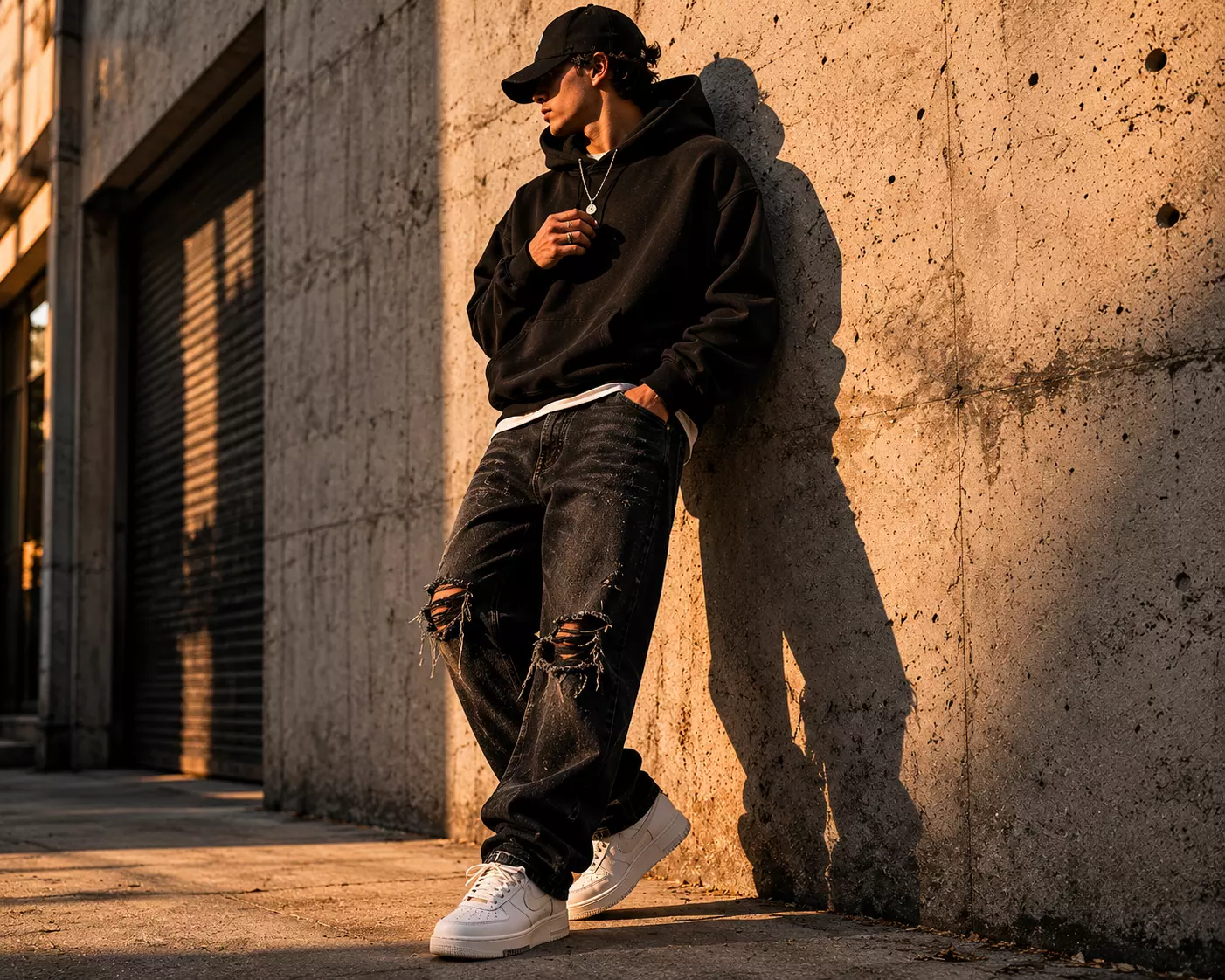
The Evolution of Streetwear: Why Stussy and Modern Labels Still Lead the Way
Defining the Modern Streetwear Aesthetic
Streetwear has evolved from a niche subculture into a dominant force that dictates global fashion trends. It’s no longer just about baggy clothes; it’s about a specific attitude and a commitment to quality that resonates with younger generations.
When you look at a classic Stussy piece, you immediately notice how the brand bridges the gap between surf culture and high-end urban style.
This transition didn't happen overnight. It required decades of consistent branding and a deep understanding of what people actually want to wear on the street.
Consequently, many shoppers now prioritize authenticity over fast-fashion replicas that fall apart after two washes. You want something that tells a story, and these brands provide exactly that narrative.
Furthermore, the community surrounding these labels keeps the hype alive through limited releases and collaborative drops. It's a fascinating cycle of supply and demand that keeps us all checking our phone notifications for the next big release.
The Importance of High-Quality Materials in Daily Wear
If you spend a lot of time in your clothes, you quickly realize that fabric choice matters more than any logo. Heavyweight cotton and French terry have become the gold standard for those who value longevity.
I personally prefer a 400gsm hoodie because it holds its shape much better than thinner alternatives. While cheap polyester blends might look okay on a screen, they feel terrible against your skin after an hour.
Therefore, investing in premium pieces like Teins Amiri ensures that your wardrobe stays functional and stylish for years rather than months.
Designers are now experimenting with Italian denim and Japanese nylon to push the boundaries of what "casual" clothing can be.
Because of this shift, we are seeing a massive rise in "luxury streetwear" where craftsmanship is just as important as the graphic on the chest. It's a refreshing change from the disposable culture that dominated the early 2000s.
Essential Steps for Building a Versatile Streetwear Wardrobe
Building a solid collection takes time and a bit of strategy to avoid wasting money on passing fads. You shouldn't just buy everything you see on social media. Instead, focus on these three foundational steps:
- Start with high-quality basics like neutral-toned shirts and durable trousers.
- Research the heritage of the brands you support to ensure their values align with yours.
- Invest in one or two "hero" pieces, such as a limited edition jacket or designer footwear, to anchor your outfits. By following this path, you create a cohesive look that doesn't feel forced or overly trendy. Additionally, mixing textures like corduroy and technical fabrics adds depth to a simple silhouette. Many people make the mistake of overcomplicating their outfits with too many accessories. Keep it simple and let the quality of the garments speak for itself. Interestingly, the most stylish people often wear the simplest combinations but execute them with perfect fit and proportions.
How Graphic Designs Communicate Individual Identity
Graphics are the visual language of the streets, often acting as a billboard for your personal interests and affiliations. Whether it’s a bold logo or a subtle screen print, these designs help you connect with like-minded individuals in a crowded room.
Wearing Mixed Emotion apparel, for instance, signals an appreciation for contemporary art and emotional transparency. These designs often feature intricate details that you only notice upon a second or third glance.
Moreover, the colors chosen for these graphics can completely change the mood of an outfit. Bright neons suggest energy and confidence, while muted earth tones provide a more grounded and sophisticated vibe.
It’s truly amazing how a single piece of clothing can spark a conversation with a total stranger. That connection is the heartbeat of the fashion community.
Why Comfort is the Ultimate Luxury in Fashion
We have entered an era where being comfortable is just as prestigious as being dressed up. The rise of the "athleisure" movement proved that people are tired of restrictive clothing that hinders movement.
To stay comfortable all day, look for these specific features in your gear:
- Pre-shrunk fabrics that won't change size after a laundry cycle.
- Dropped shoulders for a relaxed, effortless silhouette.
- Ribbed cuffs and hems that provide a secure fit without being too tight.
- Breathable linings in jackets to help regulate body temperature. When a garment fits perfectly and feels soft, your confidence naturally increases. I've noticed that I'm much more productive when I'm not constantly adjusting my sleeves or fighting with a stiff collar. However, one limitation of this trend is that it can be easy to look "sloppy" if you don't pay attention to the drape of the fabric. Balancing oversized pieces with more structured items is the key to maintaining a polished appearance.
The Global Impact of Streetwear Collaborations
Collaborations have turned the fashion world upside down by bringing together unlikely partners from different industries. We see high-fashion houses working with skate brands and tech companies partnering with independent artists.
These partnerships often result in unique products that neither brand could have created alone. Consequently, the resale market for these items has exploded, with some pieces fetching thousands of dollars.
While some critics argue this commercializes the culture, it also brings fresh eyes and new perspectives to the table.
These drops create a sense of urgency and excitement that keeps the industry moving forward at a rapid pace.
You see kids in Tokyo, London, and New York all wearing the same "drop," showing how connected our world has become through style.
Read: What Makes Stüssy a Leader in Streetwear Trends
Caring for Your Premium Garments to Ensure Longevity
Once you've spent your hard-earned money on high-end gear, you need to know how to look after it. Most people ruin their best clothes by throwing them in a hot dryer.
Always wash your graphic tees inside out in cold water to prevent the print from cracking. This small step can double the life of your favorite shirt.
Also, consider air-drying your hoodies to keep the fleece lining soft and fluffy. It takes a bit more effort, but the results are worth it when your clothes still look new a year later.
I've found that using a garment steamer is much safer than a traditional iron for sensitive materials. Steaming removes wrinkles without the risk of burning the fibers or melting synthetic elements.
Taking care of your clothes is not just about saving money; it’s about respecting the craftsmanship that went into making them.
The Future of Streetwear and Sustainable Practices
As we look ahead, sustainability is becoming a major focus for both consumers and creators. People are demanding transparency about where their clothes are made and what chemicals are used in the process.
Many brands are now switching to organic cotton and recycled materials to reduce their environmental footprint. This shift is necessary because the fashion industry is one of the largest polluters in the world.
By choosing brands that prioritize ethical production, you are voting with your wallet for a better future. Innovation in "deadstock" recycling—using leftover fabrics from previous seasons—is also gaining traction.
This creates truly one-of-a-kind pieces that cannot be replicated. It’s an exciting time to be a fashion enthusiast because the rules are being rewritten every day.
Final Words
The world of streetwear is constantly shifting, but the core principles of quality, comfort, and self-expression remain the same.
Whether you are a hardcore collector or just looking for a reliable daily outfit, understanding these brands and their history helps you make better choices.
Fashion is ultimately a tool for storytelling, and the clothes you choose to wear are the chapters of your own personal book.
FAQ
Q: How can I tell if a streetwear brand is high quality?
A: Look for heavy fabric weights, reinforced stitching, and clear, crisp graphic prints that don't feel "rubbery" to the touch.
Q: Should I buy streetwear one size up?
A: It depends on the brand's specific fit. Many modern labels are already designed to be "oversized," so check the size chart before sizing up.
Q: How often should I wash my designer hoodies?
A: Wash them as infrequently as possible. Spot cleaning is often better for preserving the fabric and the structural integrity of the garment.
Q: Why is streetwear so expensive compared to fast fashion?
A: Higher prices usually reflect better wages for workers, higher-grade materials, and the costs associated with smaller, more exclusive production runs.
Q: Is streetwear still considered "casual" clothing?
A: While it started as casual wear, it is now widely accepted in many creative offices and upscale social environments when styled correctly.