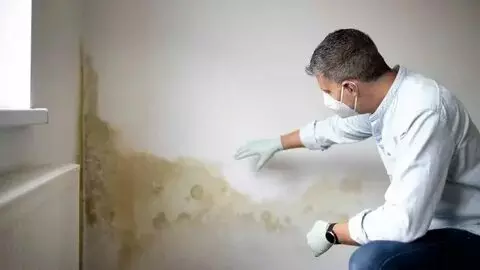
Stop Condensation and Mould Growth with These Simple Tips
Condensation and mould growth are common problems in rented homes, especially in the UK, where damp conditions can make properties more vulnerable. While condensation may seem harmless at first, if left unchecked, it can lead to black mould, structural damage, and even health problems.
If your home is suffering from persistent mould due to damp conditions, your landlord may be responsible for fixing the issue. At Housing Disrepair UK, we help tenants make a housing disrepair claim to ensure landlords take responsibility for necessary repairs and maintenance.
What Causes Condensation and Mould?
Condensation occurs when warm air inside your home meets a cold surface, such as walls, windows, or ceilings, and turns into water droplets. This excess moisture creates the perfect environment for mould to grow.
Common Causes of Condensation and Mould
✔ Poor ventilation – Lack of airflow traps moisture inside your home.
✔ Inadequate heating – Cold surfaces encourage condensation to form.
✔ Leaking pipes or roof damage – Increases dampness and allows mould to spread.
✔ Drying clothes indoors – Releases moisture into the air, increasing humidity.
✔ Blocked or damaged gutters – Causes water to seep into walls and ceilings.
If mould is a recurring issue in your rented home, your landlord may be legally obligated to resolve it.
How to Prevent Condensation and Mould Growth
While some causes of condensation are due to daily activities, landlords are responsible for fixing structural problems that lead to persistent dampness. Here are simple yet effective ways to stop condensation and prevent mould from taking over your home.
1. Improve Ventilation
- Open windows regularly, especially when cooking or showering.
- Use extractor fans in bathrooms and kitchens.
- Avoid blocking air vents or placing furniture too close to walls.
2. Control Humidity Levels
- Use a dehumidifier to remove excess moisture from the air.
- Wipe condensation from windows and walls every morning.
- Dry clothes outside when possible or use a vented tumble dryer.
3. Maintain Consistent Heating
- Keep indoor temperatures stable to prevent cold surfaces.
- Set heating to a low, steady temperature instead of turning it on and off.
- Use insulation to keep walls warm and prevent condensation buildup.
4. Identify and Fix Water Leaks
- Report any roof leaks, plumbing issues, or damaged windows to your landlord.
- Check for signs of damp patches on walls and ceilings.
- Ensure gutters and downpipes are clear to prevent water damage.
5. Treat Mould Properly
- Wipe down affected areas with anti-mould spray or a mixture of white vinegar and water.
- Avoid painting over mould—this only hides the problem rather than fixing it.
- If mould keeps returning, it may be due to a structural issue that your landlord is responsible for repairing.
What If My Landlord Ignores the Problem?
If you've reported mould and damp issues to your landlord but they refuse to act, you may be eligible to claim compensation. Living in a mould-infested home can lead to health problems such as:
❌ Respiratory issues (asthma, coughing, allergies)
❌ Skin irritation and rashes
❌ Headaches and fatigue
❌ Worsened immune system, making you prone to illnesses
As a tenant, you have legal rights, and your landlord must provide safe and habitable living conditions. If they fail to do so, Housing Disrepair UK can help you claim compensation.
How Much Compensation Can You Get?
Compensation amounts depend on the severity of the damage and how long you've been affected. If you’ve suffered from mould-related issues, you may be entitled to:
✅ Repairs at no cost to you
✅ Financial compensation for inconvenience and distress
✅ Reimbursement for damaged personal belongings
✅ Reduced rent if the property was uninhabitable
Find out how much you could be entitled to using our damp compensation calculator.
FAQs About Condensation and Mould in Rented Homes
1. Who is responsible for fixing mould in a rented home?
If the mould is caused by leaks, poor insulation, or structural problems, the landlord is responsible. However, tenants must ensure proper ventilation and heating to minimize condensation.
2. Can I take legal action if my landlord refuses to fix the problem?
Yes. If your landlord ignores your complaints, you can take legal action and claim compensation for the inconvenience and any health issues caused by the mould.
3. How long does a mould-related housing disrepair claim take?
Claims typically take a few months, depending on the complexity of the case and whether your landlord cooperates.
4. Can I stop mould from returning once it’s been removed?
Preventing mould requires controlling moisture levels, ensuring good ventilation, and fixing any underlying damp issues. However, if the issue is structural, your landlord must make necessary repairs.
5. Can mould affect my deposit when I move out?
If your landlord claims that mould damage was caused by tenant neglect, they may try to deduct costs from your deposit. Keeping records of communication and repair requests can help dispute unfair claims.
Conclusion
Condensation and mould can turn your home into an unhealthy living environment, but as a tenant, you have rights. If your landlord refuses to take action, you may be entitled to compensation.