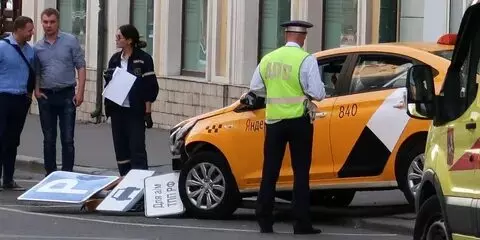
Stay Informed: What Everyone Should Know About Road Traffic Accidents in Scotland
Road traffic accidents can affect anyone, regardless of how careful they are on the road. In Scotland, thousands of people each year are injured as drivers, passengers, pedestrians, cyclists, or public transport users. Understanding your rights, responsibilities, and recovery options after a road traffic accident is crucial—not only for your physical and mental health but also for your financial wellbeing.
In this article, we’ll explore the types of accidents, the most common injuries, and the steps you can take if you’re involved in a road traffic collision. Whether it’s a minor bump or a major crash, you don’t have to face the consequences alone.
Types of Road Traffic Accidents
Accidents can occur in many different forms, each with unique challenges and implications:
- Car accidents, the most common, often involve rear-end collisions, speeding, or distraction.
- Motorcycle collisions, which can be particularly dangerous due to the limited protection riders have.
- Bicycle accidents, increasingly common with more cyclists on the road.
- Pedestrian accidents, where vulnerable road users are struck while walking or crossing.
- Public transport incidents, involving buses, trains, or trams.
- Taxi-related accidents, which affect both passengers and pedestrians.
- Whiplash injuries, which occur across many accident types, especially in rear-end crashes.
If you’ve been affected by any of these, you may benefit from reading our full guide on what you need to know about making road traffic accident claims.
The Most Common Injuries
Road traffic accidents frequently result in physical injuries that range from minor to life-altering. Some of the most common include:
- Whiplash
- Concussions and head trauma
- Fractures and dislocations
- Soft tissue injuries
- Psychological stress (such as anxiety or PTSD)
To better understand this particular injury, explore our article on whiplash claims in Scotland, where we break down symptoms, diagnosis, and how to seek compensation.
Causes of Road Traffic Accidents
While some incidents are unavoidable, many are caused by preventable factors, such as:
- Speeding
- Distracted driving (texting, phone use)
- Driving under the influence
- Poor weather or road conditions
- Mechanical failure
- Ignoring road signs or lights
If you’ve been injured due to someone else’s negligence, don’t suffer in silence—learn your right to claim and protect your legal options.
Public Transport Accidents: A Closer Look
Many people believe that injuries on public transport aren’t worth reporting. In reality, these incidents can lead to serious harm. Sudden stops, collisions, or even unsafe conditions on a bus or train can justify a claim.
To understand your rights and responsibilities in these situations, we recommend our in-depth article on injured on a bus or train – understanding public transport accident claims.
Cyclists, Motorcyclists & Pedestrians: High Risk, High Impact
Among all road users, cyclists, bikers, and pedestrians are particularly vulnerable. Without the physical protection that vehicles provide, injuries in these groups are often severe.
We’ve dedicated specific guides for these users, including a must-read for two-wheel riders: motorcycle accident claims in Scotland.
Pedestrians, especially in urban areas, are also at constant risk. Accidents at junctions, crossings, or even on pavements are sadly too frequent. These cases often involve serious legal and insurance challenges, so it’s vital to understand your options clearly.
What to Do After a Road Accident
If you're involved in a road traffic accident, follow these steps:
- Seek medical attention immediately, even if injuries aren’t obvious.
- Report the accident to the police if necessary.
- Gather evidence, including photos, names of witnesses, and contact info.
- Get legal advice—specialist claim services can guide you.
- Begin your claim as soon as possible.
Need help getting started? We offer a helpful walkthrough in our post: injured on the road – how to handle a road accident in Scotland.
Your Legal Rights and the Claims Process
Victims of road traffic accidents in Scotland have the right to seek compensation for:
- Medical treatment
- Loss of income
- Pain and suffering
- Damage to property
- Future care and rehabilitation needs
There’s typically a three-year window to file a claim, but it’s always best to act early. Our comprehensive overview on road traffic accidents in Scotland gives you everything you need to know.
Final Thoughts
No one plans to be in a road traffic accident—but if it happens, it’s important to know that support and legal recourse are available. From minor whiplash injuries to serious public transport or pedestrian accidents, every case matters.
At InstantAssist, we’re committed to helping individuals across Scotland get the assistance they need—whether it’s understanding your rights, managing documentation, or supporting you through the full claims process. With the right guidance, recovery doesn’t have to be overwhelming.