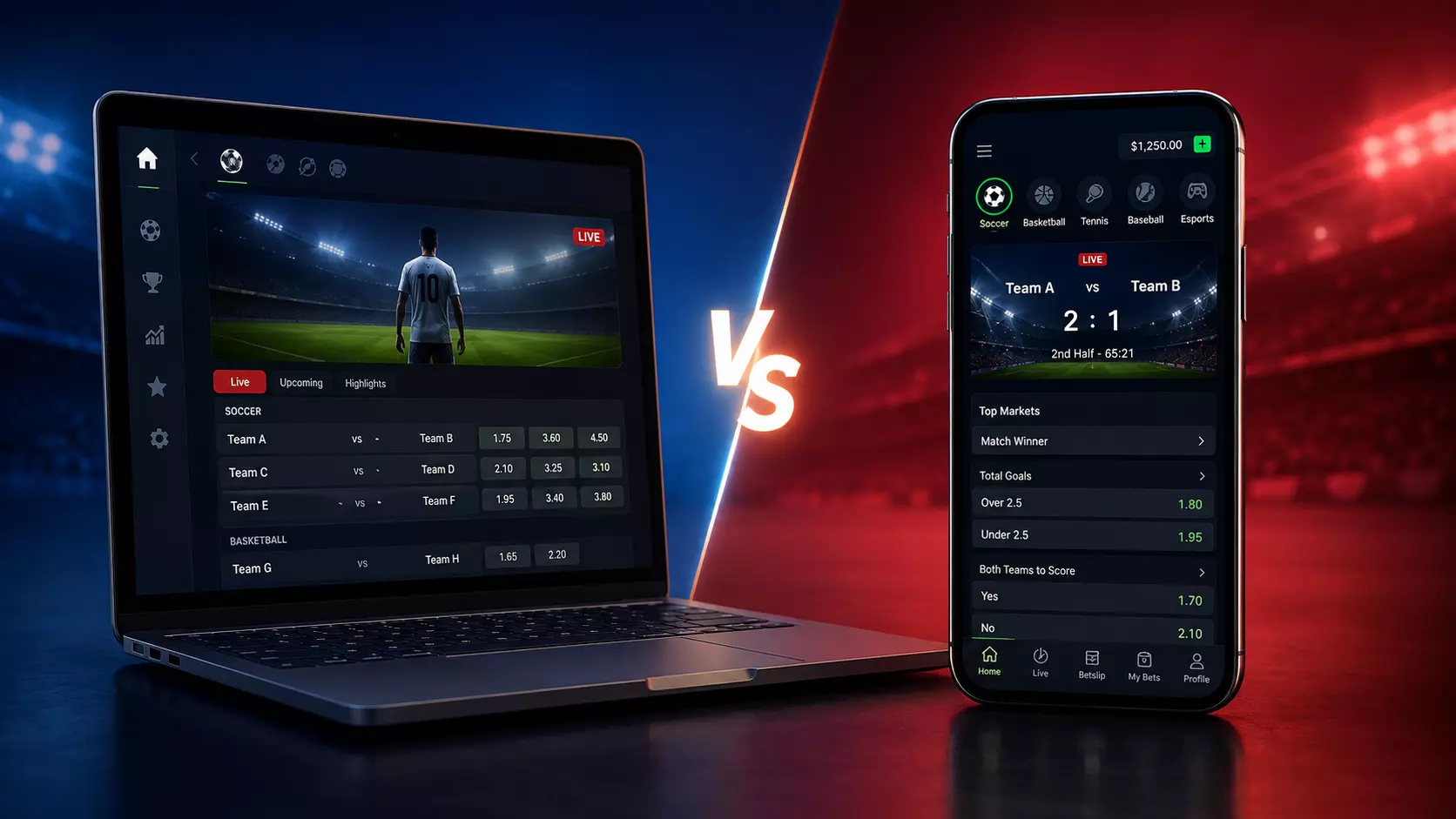
Sports Betting Website vs Sportsbook App: Which Should You Build First?
When planning an online betting platform, one of the first decisions you'll face is whether to launch a website or a mobile app. Both options can help you reach bettors, offer wagering opportunities, and build a recognizable brand.
However, choosing the right starting point can have a major impact on your budget, development timeline, user experience, and future growth.
Many businesses entering the betting market often wonder where to invest first.
Should they focus on sports betting website development and create a platform that works across multiple devices through a browser? Or should they prioritize a dedicated sportsbook app that users can download and access directly from their smartphones?
The answer depends on several factors, including your business goals, target audience, available budget, launch timeline, and long-term strategy. While both solutions have their advantages, understanding their differences can help you make a smarter investment and avoid unnecessary costs.
In this article, we'll compare sports betting websites and sportsbook apps, explore their strengths and limitations, and help you determine which option is the right starting point for your business.
Understanding the Difference Between a Sports Betting Website and a Sportsbook App
A sports betting website is a browser-based platform that users can access through desktop computers, laptops, tablets, and mobile browsers. There is no need to download anything. Players simply visit the website, create an account, and start betting.
A sportsbook app, on the other hand, is a mobile application that users install on their smartphones or tablets. It is usually available through app stores or direct downloads, depending on the region and regulations.
Although both platforms offer similar betting features, the user experience and technical requirements can differ significantly.
Why Many Businesses Start with a Website
For new operators and startups, launching a website often makes more sense as a first step.
Lower Initial Investment
Developing a website generally requires less investment compared to building separate applications for Android and iOS devices.
A single website can serve users across different devices without requiring multiple codebases. This helps businesses launch faster while keeping development costs under control.
Faster Time to Market
When entering a competitive market, speed matters.
A website can often be developed and launched faster than a mobile app because there are fewer approval processes involved. Once the platform is ready, users can access it immediately through their browsers.
Mobile applications may require additional testing, optimization, and store submission procedures before becoming available to users.
Easier Updates and Maintenance
With a website, updates are applied instantly.
Users don't need to download the latest version or manually update the platform. This makes it easier to introduce new betting options, promotions, payment methods, and security improvements.
For operators, this simplifies ongoing maintenance and reduces support issues.
Wider Accessibility
Not every user wants to install an app.
Some bettors prefer visiting a website directly, especially if they are using a desktop computer or switching between devices.
A website allows users to access their accounts from virtually anywhere without being tied to a specific device.
Advantages of Launching a Sportsbook App First
Although websites offer many benefits, there are situations where launching an app first may be the better choice.
Better Mobile Experience
Most online bettors today use smartphones for placing wagers.
A dedicated app can provide a smoother and more convenient experience compared to a mobile browser.
Users can open the app instantly, navigate quickly between sections, and enjoy features designed specifically for mobile devices.
Push Notifications
One of the biggest advantages of a sportsbook app is the ability to send push notifications.
These notifications can inform users about:
- Live betting opportunities
- Match updates
- Promotional offers
- Deposit bonuses
- Account activity
This direct communication can help increase engagement and encourage users to return regularly.
Faster Performance
Apps often load faster because certain data can be stored locally on the device.
This can improve the overall user experience, particularly during live betting events where speed is important.
Stronger Brand Presence
When users install an app, your brand remains visible on their device.
The app icon acts as a constant reminder, helping increase retention and repeat visits over time.
Challenges of Starting with a Website
While websites are often the preferred starting point, they are not without limitations.
Limited Device Features
Websites cannot always take full advantage of smartphone capabilities such as push notifications, biometric login, and certain device-specific functions.
This may reduce engagement compared to a dedicated app.
Browser Dependency
User experience can vary depending on the browser being used.
Although modern websites are highly responsive, performance differences can still occur across devices and operating systems.
Competitive Expectations
Many users today expect betting brands to offer mobile applications.
A website-only approach may not fully meet those expectations in highly competitive markets.
Challenges of Starting with an App
Launching an app first also comes with several challenges.
Higher Development Costs
Businesses often need separate versions for Android and iOS.
This increases development time, testing requirements, and ongoing maintenance costs.
App Store Approval Processes
Before users can download your app, it may need to pass store review procedures.
Approval timelines can vary and may sometimes delay launch plans.
User Download Barrier
Getting users to install an app requires an extra step.
Some visitors may prefer trying a platform through a website before committing to a download.
This additional barrier can affect early user acquisition efforts.
Which Option Delivers Better User Acquisition?
- For most startups, websites usually have an advantage when it comes to acquiring new users.
- People can discover your platform through search engines, advertisements, affiliate partners, and direct links.
- With a website, users can start exploring immediately.
- Apps generally require a stronger marketing effort because users must first visit an app store and complete the installation process.
- If your goal is rapid audience growth, a website often provides a more accessible entry point.
Which Option Generates Better User Retention?
- When it comes to retaining users, apps often perform better.
- Push notifications, personalized alerts, and quick access make it easier to bring users back.
- A bettor who has already installed your app is more likely to return regularly than someone who must remember and revisit a website manually.
- This is one reason many successful operators eventually offer both platforms.
Read: Web Development Services for Business Growth
The Budget Factor
Budget plays a major role in deciding which platform to build first.
A website generally requires:
- Lower development costs
- Simpler maintenance
- Faster deployment
- Easier scaling during early growth
An app-first strategy may involve:
- Android development costs
- iOS development costs
- Store management
- Additional testing
- Continuous updates
For businesses working with limited resources, starting with a website can be a practical and cost-effective choice.
When Should You Choose a Website First?
Launching a website first may be the right decision if:
- You are entering the market with a limited budget.
- You want to launch quickly.
- Your target audience uses multiple device types.
- You need to validate your business model.
- You want easier management during the early stages.
Many operators begin with a website, build a customer base, gather feedback, and then expand into mobile applications once demand increases.
When Should You Choose an App First?
An app-first approach may be suitable if:
- Mobile users are your primary audience.
- You have sufficient development resources.
- User engagement is a major priority.
- Push notifications are part of your marketing strategy.
- You want a highly mobile-focused experience from day one.
In these cases, partnering with an experienced sports betting app development company can help ensure the platform is optimized for performance and user engagement.
The Best Long-Term Strategy: Combining Both
- In reality, the debate is not about choosing one platform forever.
- The most successful betting businesses eventually operate both a website and a mobile app.
- A website helps attract new users through online searches and marketing campaigns.
- An app helps retain those users through convenience and engagement features.
- Instead of viewing them as competitors, it's better to think of them as complementary channels that support the same business goals.
- Many operators work with a trusted sports betting software provider to create a website first and then expand into mobile applications as their user base grows.
- Likewise, selecting the right sportsbook software provider can make future expansion much easier by ensuring the technology supports both web and mobile experiences.
Final Thoughts
Choosing between a sports betting website and a sportsbook app depends on your goals, audience, timeline, and budget.
For most startups and new operators, a website is often the logical first step. It allows you to launch faster, reach a broader audience, and validate your concept without making a large initial investment.
A mobile app becomes increasingly valuable as your business grows and user engagement becomes a bigger priority. Features like push notifications, faster access, and a mobile-focused experience can strengthen customer loyalty and improve retention.
Rather than asking which platform is better, the more important question is which platform makes the most sense for your current stage of growth. Starting with the right foundation today can make expansion much easier tomorrow.
By carefully evaluating your objectives and available resources, you can choose a path that supports sustainable growth and creates a better experience for your users in the long run.