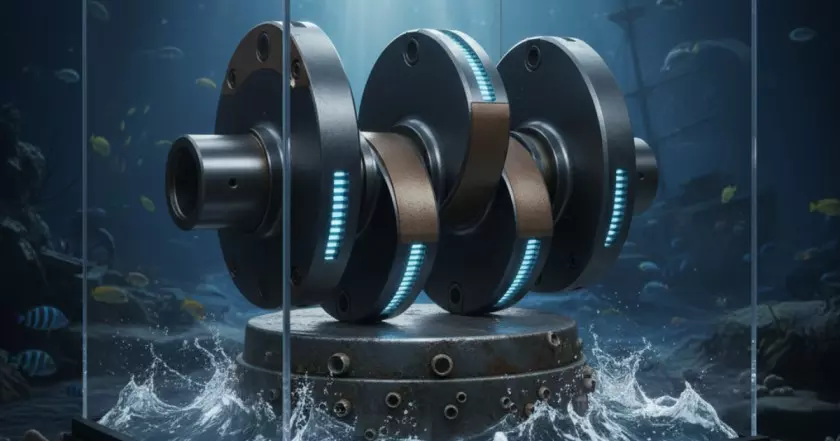
Why Is Specialized Supply of Engine Crankshafts Critical for Marine Equipment?
The engine crankshaft is the unsung hero of any vessel, transforming the push-and-pull of pistons into the rotational force that drives a ship through the ocean. In marine equipment, where reliability can mean the difference between a successful voyage and a costly breakdown, the quality of this component is non-negotiable. Specialized suppliers, who understand the unique demands of the sea, provide crankshafts designed to withstand harsh conditions, ensuring safety, efficiency, and longevity.
The Unique Demands of Marine Engines
Marine engines operate in a world apart from land-based machinery. The ocean throws relentless challenges at them, from corrosive saltwater to unpredictable vibrations caused by waves. A crankshaft that powers a truck might buckle under these conditions, but marine-grade ones are built differently. They must endure thousands of hours of continuous operation, handle heavy loads, and resist wear from extreme environments.
Here’s what marine crankshafts face daily:
- Saltwater Corrosion: Constant exposure to salty air and water can erode standard metals quickly.
- High Torque Loads: Ships, especially cargo vessels, demand immense power to move heavy loads, stressing crankshafts.
- Vibration and Shock: Rough seas create jolts that can misalign or weaken engine parts over time.
- Fuel Challenges: Marine engines often burn heavy fuel oil, which runs hotter and dirtier, adding thermal and chemical stress.
Specialized suppliers know these challenges inside out. They design crankshafts to tackle each one, using materials and techniques that generic manufacturers simply don’t prioritize.
Precision Manufacturing for Marine Needs
Building a crankshaft for marine equipment isn’t like churning out a standard part. It’s a precise process requiring advanced technology and expertise. Specialized suppliers start with high-grade materials, like forged steel alloys with nickel or chromium, chosen for their strength and resistance to corrosion. These aren’t off-the-shelf metals, they're carefully selected for the engine’s size and purpose, whether it’s a small fishing boat or a massive tanker.
The manufacturing process involves several critical steps:
- Forging and Casting: Creating a strong base that can handle intense forces without cracking.
- Precision Machining: Shaping the crankshaft to exact tolerances, often within microns, for smooth performance.
- Heat Treatment: Techniques like nitriding or induction hardening strengthen the surface while keeping the core flexible to avoid brittle failures.
- Quality Testing: Rigorous checks ensure every piece meets marine standards, from stress tests to material inspections.
These suppliers often work closely with engine manufacturers, tweaking designs based on real-world data from ships at sea. This collaboration ensures crankshafts aren’t just built, they're engineered for the toughest conditions.
Safety and Reliability at Sea
When a ship is hundreds of miles from shore, a failed crankshaft isn’t just an inconvenience, it's a safety hazard. A stalled engine can leave a vessel drifting in busy shipping lanes or during a storm, risking collisions or crew injuries. Marine classification bodies, like DNV or ABS, set strict standards for engine parts to prevent such scenarios. Specialized suppliers meet these rules through certified processes, ensuring every crankshaft is up to the task.
Reliability also protects the environment. Modern marine regulations, like those from the International Maritime Organization, demand lower emissions. A poorly made crankshaft can cause inefficient fuel burn, increasing pollution and costs. Specialized suppliers craft parts that optimize engine performance, helping vessels meet green standards while saving fuel.
Economic Advantages of Expert Supply
Choosing specialized crankshafts isn’t just about safety, it makes financial sense. While they may cost more upfront, their durability reduces maintenance and downtime. A maritime industry report found that vessels using high-quality, marine-specific parts faced 25% fewer unexpected repairs compared to those with generic components.
Here’s how specialized supply saves money:
- Longer Lifespan: Custom crankshafts last years longer, delaying costly replacements.
- Fewer Breakdowns: Reliable parts mean less time in drydock and more time earning revenue.
- Supply Chain Stability: Specialized suppliers often maintain local stock or manufacturing, avoiding delays from global disruptions.
- Insurance Benefits: Insurers offer lower premiums for vessels with certified, high-quality components.
For fleet operators, like those running cruise lines or freight ships, these savings add up. A single day of downtime can cost thousands, so investing in expert-sourced crankshafts keeps budgets in check.
Real-Life Impact in Marine Operations
The value of specialized crankshafts shines through in real-world examples. Take a mid-sized cargo company operating in the Indian Ocean. Their older engines, fitted with generic crankshafts, needed overhauls every 18 months due to corrosion and fatigue. After switching to a supplier specializing in marine-grade parts, their maintenance cycle stretched to four years, slashing costs and boosting reliability.
Naval vessels offer another case. These ships need crankshafts that handle rapid speed changes during maneuvers. Specialized suppliers deliver parts tested for extreme conditions, ensuring performance under pressure. One navy reported a 15% drop in engine-related delays after upgrading to custom components.
Smaller operations, like fishing fleets in the North Sea, also benefit. Cold temperatures and ice can strain engines, but crankshafts treated for low-friction performance keep them running smoothly. A fleet owner noted a 10% increase in operational days, directly tied to better parts.
Innovations Driving Future Supply
The marine industry is evolving, and so are crankshafts. Specialized suppliers are at the forefront, adopting new technologies to meet modern demands. For instance, 3D printing allows for intricate designs, like internal channels to manage heat, which traditional methods can’t achieve. This is especially useful for high-performance yachts or hybrid vessels.
Other advancements include:
- Composite Materials: Blending metals with ceramics for lighter, stronger crankshafts.
- Smart Sensors: Embedded monitors that track wear in real-time, alerting crews to potential issues.
- Sustainable Practices: Using recycled metals and eco-friendly forging to cut environmental impact.
As electric-hybrid marine engines gain traction, suppliers are adapting crankshafts for dual-power systems, balancing traditional mechanics with new technology. These innovations ensure marine equipment stays efficient and competitive.
Conclusion
Specialized supply of engine crankshafts is a cornerstone of marine equipment performance. From battling the ocean’s harsh conditions to meeting strict safety and environmental rules, these components demand expertise that generic suppliers can’t match.
By investing in high-quality, marine-specific crankshafts, operators ensure their vessels run reliably, safely, and profitably. In an industry where every moment at sea counts, cutting corners on critical parts like these isn’t just risky, it's a gamble no one can afford to take.