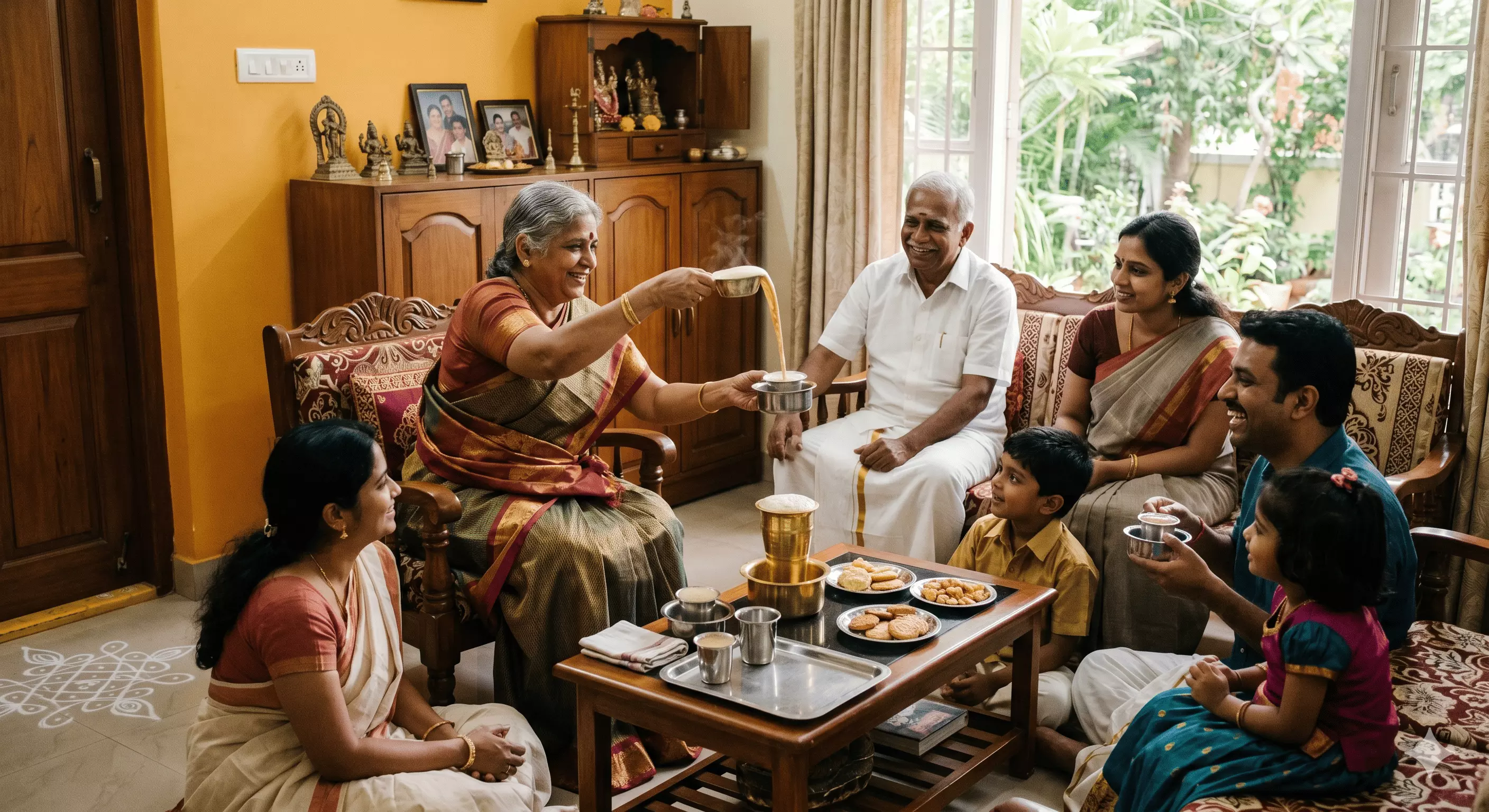
South Indian Filter Coffee Culture and Family Traditions
Morning light creeps in while the scent of dark roast fills kitchen corners. Some households wake up only after that first pot bubbles through thick cloth filters. Grandparents pass down brass tumblers like heirlooms handed between palms during quiet chats.
Steam curls into the air above small southern towns, rising from mugs and from habits long kept. Not every morning begins with alertness; some start with echoes. A single drink holds more than heat—it holds the shape of someone’s hand at the kitchen table years ago. The clink of a spoon does not fade easily.
Even now, old-school filter coffee matters deeply thanks to how it's made, its real flavor, and also the way mornings unfold around shared moments. Though elders pass down grinding tips across kitchen counters, teens sip slow-brewed cups while scrolling phones—this ritual sticks close to the daily rhythm.
The Culture of South Indian Filter Coffee
Back in time, South Indian filter coffee started gaining ground many years ago. From the beginning, people used a small steel device to drip out thick coffee liquid. That rich extract gets stirred into warm milk before drinking. Freshness matters most when pouring each cup.
One type of filter coffee often becomes the only choice in certain households, bringing a familiar scent and flavor each dawn. Rarely does this blend change—it is passed down as grandparents settle on it, followed by their children who hold onto it, then handed to younger ones who learn its taste early. A familiar cup runs through years without asking.
Slow steps mark how a classic cup comes to life, far from quick powders stirred into hot water. Because it asks for patience, some find deeper pleasure in what lands in their mug. The ritual itself holds value, not just the drink at the end.
Filter Coffee In Family Moments
Some South Indian households tie their days to the ritual of making filter coffee. The scent of it brewing usually drifts through kitchens while people gather nearby. Morning light slips in as cups pass hand to hand without much said.
Coffee is commonly served:
- During family conversations
- When welcoming guests
- At festive gatherings
- During weekend relaxation
- Besides the usual South Indian morning foods
Growing Interest Among Younger Generations
Nowadays, teens are turning their eyes toward traditional food habits. Because of social media shares along with café meetups, South Indian filter coffee finds its way into new hands. Home brewing has played its part too, slowly bringing the drink into new spaces.
These days, lots of folks find pleasure in
- Learning traditional brewing techniques
- Exploring authentic coffee blends
- Preparing café-style coffee at home
- Understanding regional coffee traditions
Read: How to Stand Out in a Crowded Coffee Expo at World
Filter Coffee Brings People Together
Brewed strong in brass tumblers, filter coffee greets guests across southern homes as a quiet sign of welcome. When visitors arrive without warning or kin come together for festivals, steaming cups tend to appear mid-chat. A familiar rhythm follows—pour, sip, talk.
Coffee breaks also encourage meaningful interactions at the following:
- Family functions
- Religious festivals
- Community gatherings
- Small business meetings
- Evening conversations with neighbors
South Indian Coffee Culture Today
Even today, with fancy coffee shops on every corner and quick mixes filling shelves, old-style filter brews still hold their ground. Some places highlight local ways of making it, pouring into small cups just like before.
Modern households are also combining tradition with convenience by using the following:
- Online coffee deliveries
- Fresh coffee subscriptions
- Home brewing equipment
- Regional coffee blends
Conclusion
Warmth rises not only from the cup but also from mornings shaped by habit and quiet moments passed between generations. This drink binds people not because of taste alone but due to rhythms carved into daily life.
Every pour follows old ways handed down without need for change. Moments around it grow naturally, unstaged, built on presence rather than words. Tradition lives here, not in speeches but in how hands pass cups across tables.
When folks start digging into old-school ways of making coffee, South Indian households still hold tight to their filter brews as a sign of warmth and welcome. Even now, good powder and trusted routines keep this habit alive.
Because these practices stick around, future families will probably sip the same familiar drink, one cup at a time. Though trends shift, that morning ritual stays rooted.
Frequently Asked Questions
What makes South Indian filter coffee unique?
South Indian filter coffee is traditionally brewed using metal filters and freshly prepared decoction, which creates a rich aroma and balanced taste.
Why is filter coffee important in South Indian culture?
It is closely connected to family routines, hospitality, and traditional food culture across many South Indian households.
What type of coffee powder is used for filter coffee?
Many families prefer specially blended filter coffee powder designed for traditional brewing methods.
Can filter coffee be prepared at home easily?
Yes. With a traditional coffee filter and quality coffee powder, authentic filter coffee can be prepared at home.
Why is traditional filter coffee still popular today?
People continue to appreciate its authentic taste, cultural connection, and comforting brewing experience.