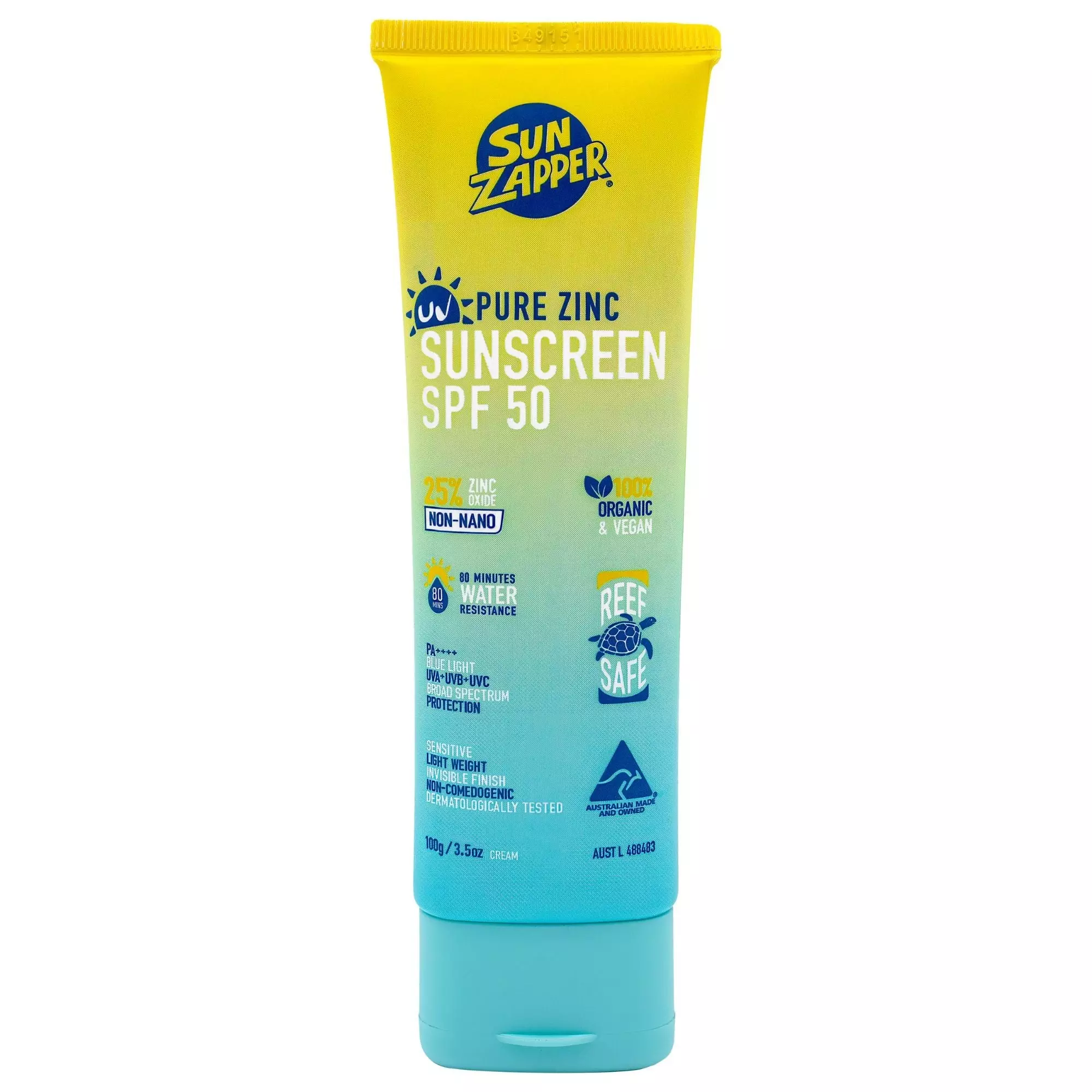
Solar Stress Skin Care: A Guide to Protecting Skin During Exercise
Physical activity supports an active lifestyle, but exercising outdoors can expose your skin to sunlight, heat, sweat, and changing environmental conditions.
Whether you enjoy running, cycling, walking, or outdoor fitness classes, Solar Stress Skin Care can help you build practical habits around sun protection and everyday skin maintenance.
The key is to prepare before exercise, protect exposed skin during activity, and cleanse gently afterward. With a routine suited to your exercise schedule, you can focus on staying active without overlooking your skin's needs.
Why Solar Stress Skin Care Matters for Active People
Outdoor exercise often involves extended periods in the sun. Even when temperatures feel comfortable, ultraviolet radiation can contribute to sunburn, premature skin aging, and an increased risk of skin cancer.
Sweating introduces another consideration. Sweat, sunscreen, and environmental debris can accumulate on the skin, while friction from clothing, sports equipment, or towels may contribute to irritation in some individuals.
A sensible Solar Stress Skin Care routine addresses these concerns separately. Sun protection helps reduce UV exposure, while gentle cleansing and suitable moisturization support everyday skin care after physical activity.
Prepare Your Skin Before Exercise
A few simple steps before leaving home can make outdoor skincare easier to manage. Start by considering the duration of your workout, the expected UV conditions, and whether you will be running, cycling, swimming, or participating in another activity.
Apply a broad-spectrum sunscreen with SPF 30 or higher to exposed skin, following the product's directions. Allow it to settle as instructed before beginning your workout, and pay attention to areas that are often missed, such as the ears, neck, hands, and exposed scalp.
Select Sunscreen for Your Activity
Your sunscreen should suit both your skin and your planned exercise. If you expect substantial sweating or swimming, a water-resistant product may be appropriate. Check the labelled water-resistance period and reapply according to the directions.
No sunscreen eliminates all UV exposure. Combine it with protective clothing, sunglasses, a hat where practical, and shaded routes when available. During periods of high UV intensity, consider exercising earlier or later when conditions are more suitable.
Manage Sweat Without Irritating Your Skin
Sweating is a normal response to physical activity and helps regulate body temperature. However, leaving sweat and accumulated products on the skin for extended periods may feel uncomfortable, especially after a demanding workout.
After exercise, gently cleanse your face and other areas that need cleaning. Use a cleanser appropriate for your skin type rather than relying on vigorous scrubbing, which may increase irritation.
If you cannot shower immediately, changing out of damp clothing and gently cleaning particularly sweaty areas when practical may help you feel more comfortable. Avoid repeatedly washing your face throughout the day if doing so leaves your skin dry or tight.
Build a Practical Skincare Kit for Exercise
You do not need a large collection of skincare products to support an active routine. Focus on the items that match your activity, the weather, and your skin's needs.
- Broad-spectrum sunscreen: Choose SPF 30 or higher and follow the instructions for application and reapplication.
- Water-resistant sunscreen: Consider this for swimming or activities involving heavy sweating.
- Gentle cleanser: Use it after exercise to remove sweat, sunscreen, and surface debris.
- Suitable moisturizer: Apply after cleansing if your skin feels dry or tight.
- Sun-protective accessories: Pack sunglasses, a hat, or protective clothing when appropriate.
- Clean towel: Pat the skin gently rather than rubbing vigorously.
Keeping these essentials accessible can make your routine easier to maintain before and after workouts.
Protect Skin During Different Types of Exercise
Not every workout creates the same skincare requirements. A short walk in a shaded park differs from a long-distance cycle along an exposed road, while swimming introduces water exposure and the need for suitable sunscreen reapplication.
Runners may benefit from planning shaded routes and choosing clothing that limits unnecessary friction. Cyclists can consider sunglasses, protective clothing, and sunscreen for exposed areas. People who exercise near water should remember that reflected sunlight can contribute to exposure.
Whatever your preferred activity, adapt your routine to the conditions rather than assuming one approach works equally well everywhere.
Read: Does Miracle White Injection Really Work for Skin Glow?
How People4Ocean Fits Into Active Skincare
Choosing products for an active lifestyle starts with understanding their purpose. People4Ocean offers skincare options for people exploring sun-related skin care, and its product information can help shoppers compare available choices.
When reviewing a product, check its stated function, ingredients, application instructions, and relevant precautions. A product intended to moisturize the skin should not be assumed to provide UV protection unless it is specifically labelled as sunscreen.
Consider your needs before buying. For outdoor exercise, preventive sun protection is essential, while cleansing and moisturizing products may support your routine afterward. Selecting products according to these distinct purposes helps create more realistic expectations.
Common Skincare Mistakes During Workouts
Even a well-planned exercise routine can leave gaps in sun protection or post-workout care. Recognizing common mistakes makes it easier to improve your habits without adding unnecessary steps.
- Applying sunscreen only before leaving home: Reapply according to the label, generally at least every two hours outdoors and after swimming, sweating, or towel drying.
- Forgetting exposed areas: Cover the ears, neck, hands, and other uncovered skin.
- Using a towel aggressively: Pat sweat away gently to avoid unnecessary friction.
- Ignoring hydration and heat: Take breaks, drink water, and stop exercising if you develop signs of heat-related illness.
- Treating after-sun products as protection: Post-exposure skincare does not replace preventive sunscreen use.
These adjustments are particularly useful during longer workouts and periods of strong sunlight.
Know When Your Skin Needs Attention
Mild dryness or temporary discomfort may improve with gentle cleansing and appropriate moisturizing.
However, severe sunburn, extensive blistering, significant swelling, or symptoms such as dizziness, confusion, or fainting should not be treated as ordinary skincare concerns. Seek appropriate medical assistance, particularly if heat illness is suspected.
If a skincare product causes persistent burning, redness, or itching, discontinue use and seek professional advice if symptoms continue or worsen. A qualified healthcare professional can help assess persistent skin problems more accurately than a cosmetic product can.
Make Solar Stress Skin Care Part of Your Fitness Routine
Looking after your skin should complement your exercise habits, not complicate them. Preparing with sunscreen, choosing protective clothing, managing sweat gently, and cleansing after workouts can help you develop a routine that fits an active lifestyle.
Solar Stress Skin Care works best when it combines prevention with realistic everyday care.
Explore People4Ocean's available products by reviewing their individual descriptions and intended uses, and choose options that suit your personal needs.
By making informed decisions, you can keep skin care a practical part of your outdoor fitness routine.