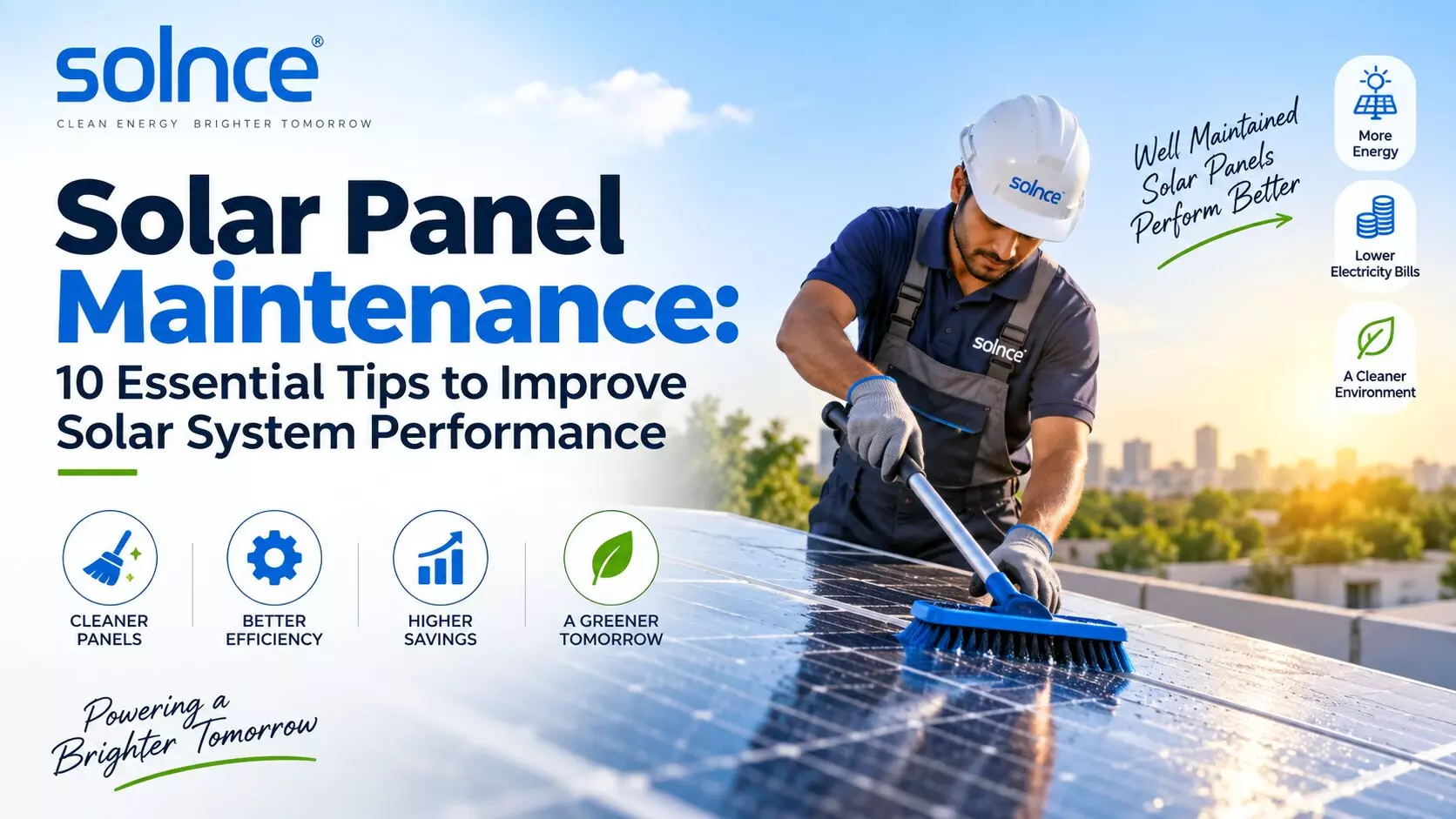
Solar Panel Maintenance: 10 Essential Tips to Improve Solar System Performance
Installing solar panels is a smart way to reduce electricity costs and make better use of renewable energy. But installing a solar system is only the first step. Like any other electrical equipment, your solar panels need regular attention to perform efficiently over the years.
The good news is that solar panel maintenance is generally simple. Most modern solar systems require limited upkeep, but a few regular checks can help prevent performance issues, identify faults early, and keep your system producing electricity efficiently.
If you have a residential, commercial, or industrial solar installation, these 10 practical tips can help you take better care of your solar system.
1. Keep Your Solar Panels Clean
Dust, dirt, bird droppings, leaves, and other debris can accumulate on the surface of solar panels. When this happens, sunlight reaching the photovoltaic cells can be reduced, which may affect energy production.
Regular solar panel cleaning is particularly important in areas with high dust levels or limited rainfall. Use clean water and a soft brush or suitable cleaning equipment rather than abrasive materials that could scratch the panel surface.
For larger commercial and industrial installations, professional cleaning can be a safer and more efficient option.
2. Check Your Solar System's Energy Production
One of the easiest ways to identify a potential problem is to monitor how much electricity your system is generating.
Most modern solar systems come with an inverter monitoring system or mobile application that allows you to track production. Look for unusual drops in generation compared with your normal performance.
A sudden decrease doesn't always mean the panels are damaged. It could be caused by shading, dirt, inverter problems, wiring issues, or weather conditions. However, monitoring helps you identify when further inspection may be necessary.
3. Watch for New Sources of Shade
Solar panels need direct sunlight to generate electricity efficiently. Trees, nearby buildings, water tanks, new construction, or other objects can gradually create shadows over your panels.
This is something many property owners overlook.
Check your solar installation periodically and look for changes in the surrounding area. If trees have grown significantly since installation, trimming branches may help restore better sunlight exposure.
Never attempt to modify electrical components or access rooftop equipment yourself. Get a qualified solar professional to inspect the system when required.
4. Inspect the Panels for Visible Damage
Take a visual look at your panels from a safe location. You can check for obvious signs such as:
- Cracked or damaged glass
- Loose components
- Heavy dirt accumulation
- Discoloration
- Damaged cables
- Water-related issues
- Physical impact from storms or debris
Small problems can become more expensive if they are ignored for a long period. Regular visual inspections are therefore an important part of solar system maintenance.
Read: Harness the Power of the Sun with Solar Panels in Albanvale
5. Check the Inverter Regularly
The inverter is one of the most important components of a solar power system. It converts the electricity generated by your panels into usable electricity for your property.
Most inverters have indicator lights, display screens, or monitoring applications that show the system's operating condition.
If you notice an unusual warning, error code, or significant change in performance, don't ignore it. Record the displayed message and contact your solar service provider for professional assistance.
6. Make Sure the Surrounding Area Is Clear
Solar panels should have sufficient exposure to sunlight and proper airflow.
Avoid storing materials, equipment, or other objects around the solar installation that could interfere with the system. For rooftop installations, also make sure leaves and other debris don't accumulate around drainage areas.
Keeping the installation area clean and accessible makes inspection and maintenance easier.
7. Schedule Professional Solar Inspections
DIY cleaning and basic monitoring are useful, but professional inspections provide another level of protection.
A qualified solar technician can inspect electrical connections, mounting structures, wiring, inverter performance, and other system components that aren't easy to evaluate visually.
The frequency of professional inspections can depend on the size, location, system design, and operating conditions of your installation.
For commercial and industrial solar systems, periodic professional inspections can be especially valuable because even a small performance issue can affect a significant amount of energy production.
8. Pay Attention to Your Electricity Bills
Your electricity bill can provide useful information about your solar system's performance.
If your energy consumption hasn't changed significantly but your electricity costs suddenly increase, it may be worth checking whether your solar system is generating the expected amount of electricity.
Compare your current production with previous months while considering seasonal differences. Solar generation naturally changes depending on sunlight availability, weather, and other environmental factors.
Looking at trends rather than a single day's production gives you a better understanding of system performance.
9. Don't Ignore Unusual Sounds or Smells
Solar systems are designed to operate reliably, so unusual sounds, burning smells, or visible signs of overheating should not be ignored.
If you notice anything unusual around the inverter, electrical equipment, or wiring, avoid touching the equipment and contact a qualified professional.
Electrical systems should always be handled carefully. Professional inspection is safer than attempting repairs without the required knowledge or equipment.
10. Maintain Records of Your Solar System
Keep important information about your solar installation in one place.
Your records can include:
- Installation date
- Solar panel specifications
- Inverter model
- Warranty information
- Maintenance history
- Previous inspection reports
- Major repairs or replacements
- Energy production data
These records can make troubleshooting easier and help technicians understand the history of your system.
They can also be useful when you need warranty support or want to evaluate your solar system's long-term performance.
How Regular Maintenance Can Improve Solar Panel Efficiency
Solar panels don't need complicated daily maintenance, but neglecting them completely isn't a good idea.
Dust accumulation, shading, damaged components, inverter faults, and electrical problems can all affect the performance of a solar installation. Regular cleaning, monitoring, inspection, and timely servicing can help identify these issues before they become bigger problems.
The goal of solar maintenance isn't simply to clean the panels. It is about keeping the complete solar power system operating safely and efficiently.
When Should You Get Your Solar Panels Professionally Checked?
There isn't one maintenance schedule that works for every solar installation. A small residential system and a large industrial solar plant can have very different maintenance requirements.
You should consider professional inspection when:
- Solar generation drops unexpectedly
- Your inverter displays an error
- Panels appear physically damaged
- New shading has appeared
- Electrical equipment shows unusual signs
- Your system has not been inspected for a long time
- You notice a significant difference between expected and actual energy production
If you're unsure whether your system needs servicing, a professional assessment can help determine what should be checked.
Why Choose Solnce Energy for Solar System Maintenance?
A solar power system is a long-term investment, and maintaining it properly can help you get more value from that investment.
At Solnce Energy, we understand that solar performance depends on more than just the panels. Our approach focuses on the complete system, including performance monitoring, inspection, cleaning requirements, and identifying potential issues that could affect energy generation.
Whether you have a residential rooftop system or a larger commercial installation, professional support can make solar system maintenance easier and more reliable.
If you notice a drop in solar generation or simply want to make sure your system is performing as expected, Solnce Energy can help you assess your solar installation and determine the right maintenance requirements.
Final Thoughts
Solar panels are designed for long-term operation, but good maintenance can help you get the most from your investment.
Simple steps such as keeping panels clean, monitoring energy production, checking for shading, watching inverter performance, and scheduling professional inspections can make a meaningful difference.
Instead of waiting until your system develops a major problem, make solar panel maintenance part of your regular solar ownership routine.
A little attention today can help your solar system continue producing clean energy efficiently for years to come.