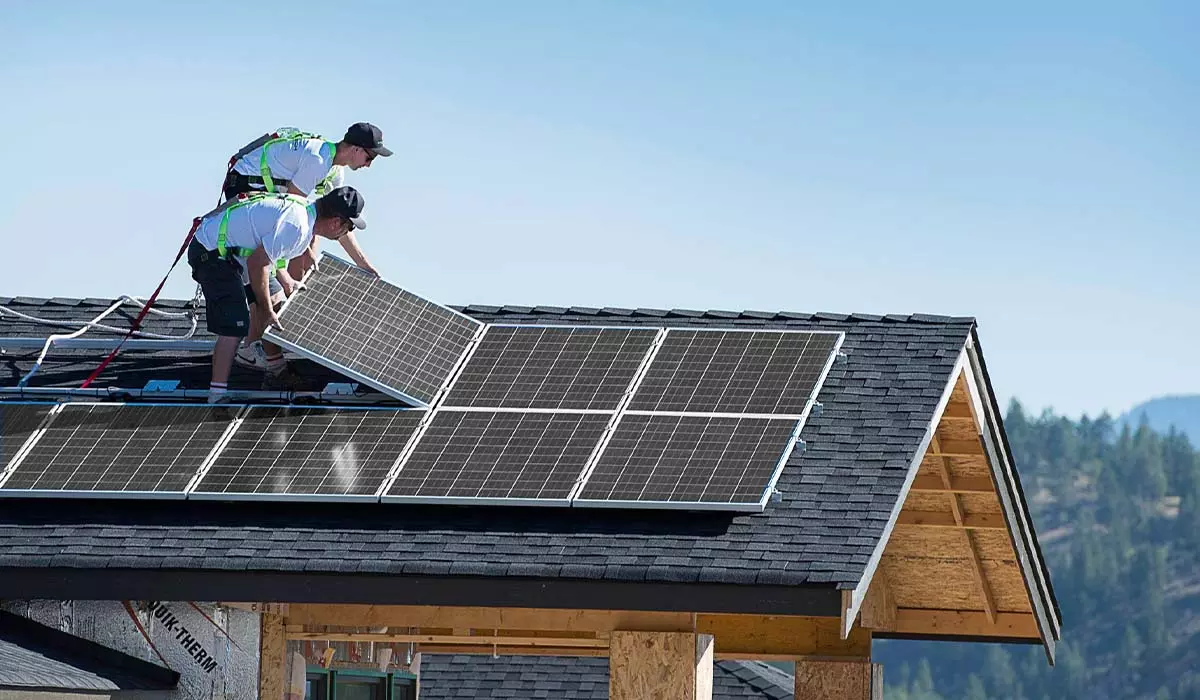
Solar and Battery Storage System: A Complete Energy Solution for Modern Homes
As energy demands increase and electricity prices continue to rise, homeowners are looking for more efficient and sustainable solutions. One of the most practical approaches today is investing in a solar and battery storage system. This system combines solar panels that generate electricity from sunlight with batteries that store excess energy for later use.
Not only does this setup reduce your reliance on the power grid, but it also ensures a consistent supply of electricity—even during outages. In this blog, we’ll explain how a solar and battery storage system works, its key benefits, and what to consider before installing one in your home.
What is a Solar and Battery Storage System?
A solar and battery storage system is an integrated setup that includes solar panels and a battery unit. Solar panels capture energy from the sun and convert it into electricity. Any electricity not used immediately can be stored in the battery instead of being sent back to the grid. The stored energy is then used when solar generation is low or when the grid is down.
This system is ideal for households looking to maximise their solar usage and reduce dependency on electricity providers.
How Does a Solar and Battery Storage System Work?
Here's a step-by-step overview of how the system operates:
- Energy Generation: Solar panels installed on your roof collect sunlight and convert it into direct current (DC) electricity.
- Inverter Conversion: An inverter changes this DC electricity into alternating current (AC), which is used to power your home.
- Energy Usage and Storage: Your home appliances use the generated electricity. Any surplus is stored in the battery.
- Stored Energy Access: During nighttime or cloudy days, the battery releases the stored energy for household use.
- Grid Connection (Optional): If both solar and battery power are insufficient, your system can draw electricity from the grid.
Benefits of a Solar and Battery Storage System
1. Reduced Electricity Bills
By using stored solar energy during high-rate times or at night, you can lower your energy expenses significantly.
2. Backup Power During Outages
In the event of a power cut, your battery system can continue to supply power, keeping essential appliances running.
3. Increased Energy Independence
A solar and battery storage system reduces your reliance on traditional energy sources and the power grid.
4. Environmentally Friendly
Using solar energy instead of fossil fuels helps lower your carbon footprint and supports a cleaner environment.
5. Optimised Solar Energy Use
Instead of sending unused solar energy back to the grid, the battery allows you to store and use it when you need it most.
Key Components of the System
A complete solar and battery storage system includes:
- Solar Panels: Capture sunlight and generate electricity.
- Inverter: Converts DC electricity to usable AC power.
- Battery Storage Unit: Stores excess energy for later use.
- Monitoring System: Tracks your energy production, usage, and battery levels.
- Charge Controller (optional): Helps regulate the battery’s charge and discharge cycles to extend its life.
Is This System Right for You?
Before installing a solar and battery storage system, consider the following:
- Your Energy Usage: Households with high energy use or peak consumption during evenings can benefit the most.
- Solar Potential: Homes with good sun exposure throughout the day are ideal candidates.
- Budget: While upfront costs can be significant, long-term savings and available rebates make it worthwhile.
- Government Incentives: Many regions offer subsidies, rebates, or tax credits for solar and battery installations.
- Installer Expertise: Choose an experienced and certified installer to ensure proper system sizing and integration.
Maintenance and Lifespan
These systems are designed to be durable and low-maintenance. Most solar panels last 20–25 years, and modern lithium-ion batteries have lifespans of around 10–15 years. It’s recommended to inspect your system periodically and ensure the software (if any) is updated for optimal performance.
Cost and Return on Investment
The cost of a solar and battery storage system depends on the size, type of battery, and complexity of installation. Although the initial investment may seem high, savings on electricity bills and protection against future energy price increases often result in a good return on investment within several years.
Conclusion
A solar and battery storage system is more than just an energy-saving tool—it’s a smart long-term solution for homes looking to reduce energy bills, gain independence from the grid, and contribute to a cleaner environment. As technology improves and government incentives continue to support solar adoption, there has never been a better time to consider this upgrade for your home.
If you're ready to make the switch to solar energy with reliable battery storage, consult a trusted professional to guide you through the installation process and system selection.