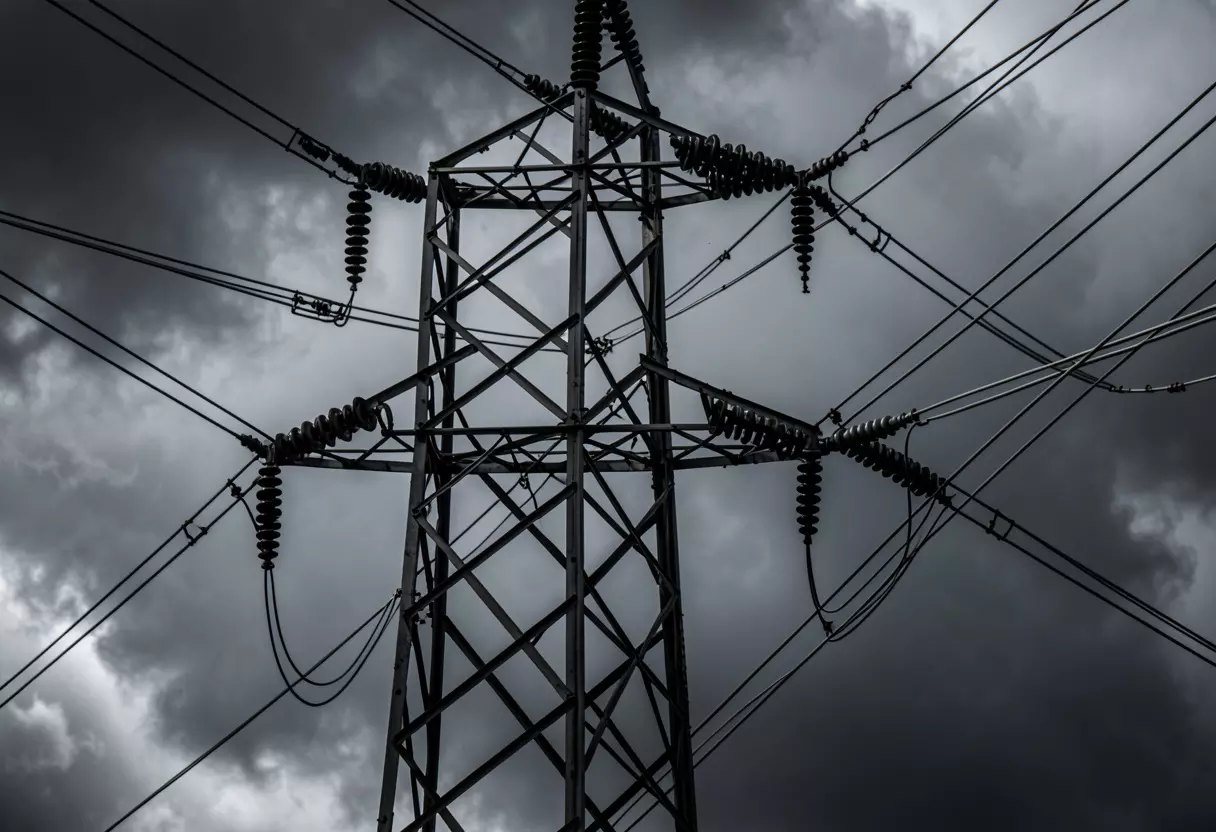
Smart Technology Transforming Electrical Substation Design
The energy sector is undergoing a rapid transformation, and substations are at the heart of this change. Traditionally, substations were designed with a strong focus on physical infrastructure and manual monitoring.
Today, however, advancements in smart technology are redefining how engineers approach electrical substation design, making systems more efficient, reliable, and adaptable.
At Keentel Engineering, staying ahead of these trends is essential to delivering modern, future-ready solutions. Let’s explore how smart technologies are reshaping substation design and what it means for the industry.
The Shift Toward Intelligent Substations
Modern substations are no longer just passive points in the power network—they are becoming intelligent hubs. The integration of digital systems allows real-time monitoring, automated control, and predictive maintenance.
In traditional setups, engineers relied on periodic inspections and manual data collection. Now, sensors and smart devices continuously collect operational data.
This shift is fundamentally changing substation engineering design, enabling faster decision-making and reducing downtime.
Intelligent substations can detect faults instantly, isolate issues, and even reconfigure themselves without human intervention. This level of automation significantly improves reliability and reduces operational risks.
Role of Digitalization in Substation Engineering Design
Digitalization is one of the most impactful trends influencing modern substations. Technologies such as IoT (Internet of Things), SCADA systems, and advanced communication networks are central to this transformation.
In contemporary electrical substation design, digital tools allow engineers to simulate different scenarios before implementation. This leads to better planning, optimized layouts, and reduced construction errors.
Key benefits of digitalization include:
- Real-time system visibility
- Enhanced data accuracy
- Improved fault detection and response
- Seamless integration with smart grids
Digital substations also reduce the need for extensive copper wiring by replacing it with fiber optic communication, making systems more efficient and cost-effective.
Smart Technology in Substation Civil Engineering Design
While much of the focus is on electrical systems, smart technology is also influencing substation civil engineering design.
Civil components—such as foundations, structures, and layouts—are now being designed with advanced tools and data-driven insights.
Engineers use Building Information Modeling (BIM) and 3D simulations to optimize land use, improve structural integrity, and ensure safety compliance.
These tools help identify potential design conflicts early, reducing costly revisions during construction.
Additionally, smart monitoring systems can assess structural health over time. Sensors embedded in foundations and structures provide data on stress, temperature, and environmental conditions, ensuring long-term reliability.
This integration of smart technology into civil design results in more resilient and sustainable substations.
Automation and Remote Operation Capabilities
Automation is a cornerstone of modern substation engineering design. With advanced control systems, substations can operate with minimal human intervention.
Remote monitoring and control allow operators to manage substations from centralized control centers. This is particularly valuable for substations located in remote or hazardous environments.
Benefits of automation include:
- Reduced operational costs
- Faster fault response times
- Enhanced worker safety
- Increased system reliability
Automation also supports load balancing and energy optimization, which are critical in today’s dynamic power networks.
Cybersecurity: A Growing Priority
As substations become more connected, cybersecurity has emerged as a critical concern. Smart substations rely heavily on communication networks, making them vulnerable to cyber threats.
Modern electrical substation design must incorporate robust cybersecurity measures from the outset. This includes secure communication protocols, firewalls, and continuous system monitoring.
Engineers are now working closely with IT specialists to ensure that digital substations are not only efficient but also secure. A well-designed cybersecurity framework protects critical infrastructure and ensures uninterrupted power supply.
Sustainability and Future-Ready Design
Sustainability is another driving force behind the evolution of substation design. Smart technologies enable better energy management, reducing losses and improving efficiency.
In advanced substation civil engineering design, eco-friendly materials and compact layouts are being used to minimize environmental impact.
Gas-insulated substations (GIS), for example, require less space and offer higher efficiency compared to traditional air-insulated systems.
Smart substations also support the integration of renewable energy sources such as solar and wind. This flexibility is essential for building future-ready power systems that can adapt to changing energy demands.
Read: Some of uncommon tools for computer science and
The Road Ahead for Smart Substations
The future of substations lies in continued innovation and integration of advanced technologies. Artificial intelligence, machine learning, and predictive analytics are expected to play an even bigger role in substation engineering design.
These technologies will enable:
- Predictive maintenance to prevent failures
- Automated decision-making for grid optimization
- Enhanced integration with smart cities and microgrids
As the energy landscape evolves, substations will become more intelligent, interconnected, and efficient.
Conclusion
Smart technology is transforming every aspect of electrical substation design, from digital monitoring to advanced civil engineering solutions.
The integration of automation, data analytics, and sustainable practices is redefining how substations are designed, built, and operated.
For companies like Keentel Engineering, embracing these innovations is key to delivering reliable and future-proof infrastructure.
As smart technologies continue to advance, substations will play an even more critical role in powering the modern world.
By adopting intelligent design principles today, we are building the resilient energy systems of tomorrow.