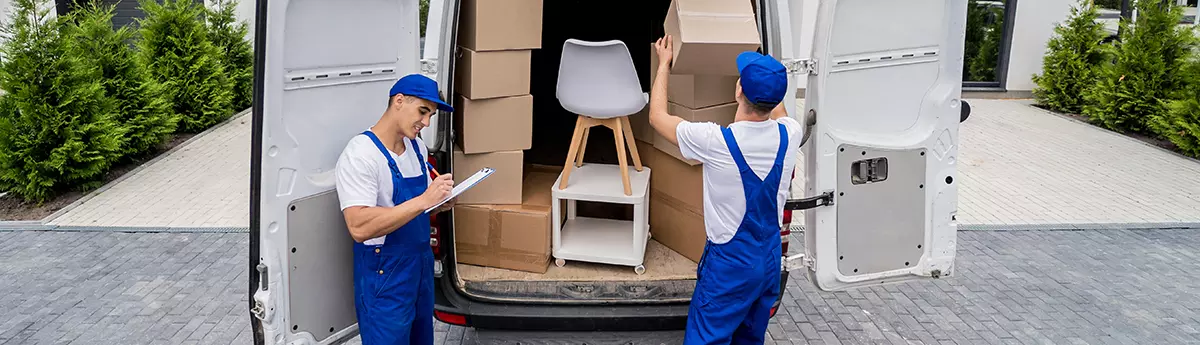
Smart Moving Insights: Strategies to Save Time, Money, and Stress
Relocation often promises new opportunities, but the process of moving itself can feel overwhelming. From the financial strain of hidden costs to the time spent packing and organizing, moving is consistently ranked among the top five most stressful life events. Yet with the right strategies and insights, it’s possible to transform moving from a chaotic task into a structured, manageable transition.
The True Scale of Moving
According to the U.S. Census Bureau, nearly 31 million Americans relocate each year, or roughly 10% of the population. The American Moving & Storage Association notes that the average local move costs around $1,250, while long-distance relocations average more than $4,500.
These figures represent only the baseline. When you add in packing supplies, junk removal, cleaning, storage, and utility transfers, the actual cost can be far higher. Recognizing these hidden factors is the first step toward smarter planning.
Insight #1: Declutter Early and Reduce Junk Costs
Clutter is one of the biggest cost drivers during relocation. Every unnecessary item takes up space in the truck and adds to labor time. Eventually, some items must be discarded, and that’s where junk removal services come in.
Companies like 1-800-GOT-JUNK make the process easy but not cheap. Depending on the volume, 1-800-GOT-JUNK Cost can range from under $150 to more than $600. For families already stretched thin, this hidden cost adds significant stress.
Strategy: Begin decluttering weeks before moving day. Donate or sell what you don’t need, and recycle responsibly. Not only does this reduce junk removal costs, it also creates a lighter, more organized move.
Insight #2: Budget Beyond the Estimate
Moving estimates often cover only the basics: transportation and labor. They rarely account for add-ons like packing supplies, cleaning, and storage. For example, packing materials alone can cost $100–$300, and temporary storage units may range from $50–$200 per month.
Strategy: Always add a 10–15% buffer to your moving budget to cover unplanned expenses. Platforms like My Good Movers share resources and cost insights that help families anticipate these hidden expenses more accurately and prepare with confidence.
Insight #3: Leverage Technology for the Organization
Modern moving no longer has to rely on guesswork. Digital tools now allow movers to:
- Create digital inventories with photos.
- Compare multiple mover quotes instantly.
- Track moving trucks in real time.
- Use AI-driven calculators to predict the cheapest moving dates.
Strategy: Incorporate moving apps and checklists early in the process. The structure these tools provide reduces wasted time and gives families a sense of control—key factors in reducing stress.
Insight #4: Prepare for Cleaning and Utilities
A common oversight is underestimating post-move cleaning and utility costs. Professional cleaning services usually cost $150–$300, while utility transfers and reconnections can add $100–$200.
Strategy: Schedule utility changes two weeks before moving day to avoid rush fees. Bundle cleaning services into one package, or tackle manageable tasks yourself to save money.
Insight #5: Protect Your Time and Well-Being
Time is one of the most undervalued costs of moving. On average, Americans spend about 60 hours preparing for a move. Combined with the emotional stress of leaving a familiar environment, it’s easy to see why moving feels overwhelming.
Strategy: Break the move into smaller, manageable tasks. Spread packing over weeks instead of cramming everything into the last few days. Use digital reminders to stay on track and schedule rest periods to avoid burnout.
Putting Insights into Action
Here’s a quick summary of strategies to save time, money, and stress:
- Declutter early to minimize junk removal and moving costs.
- Budget with a buffer to absorb hidden expenses.
- Use technology for inventories, checklists, and cost comparisons.
- Plan utilities and cleaning weeks in advance.
- Protect your time by spreading tasks out and managing energy.
By implementing these strategies, movers can reduce both financial strain and emotional pressure.
Final Thoughts
Moving is rarely simple, but it doesn’t have to be chaotic. With the right insights—decluttering, budgeting wisely, leveraging technology, and planning for hidden costs—families and professionals alike can save time, money, and unnecessary stress.
At its core, smart moving isn’t about avoiding challenges altogether. It’s about approaching relocation with knowledge, tools, and strategies that make the process more efficient. With careful planning, moving becomes less of a burden and more of an opportunity to step confidently into the next chapter of life.