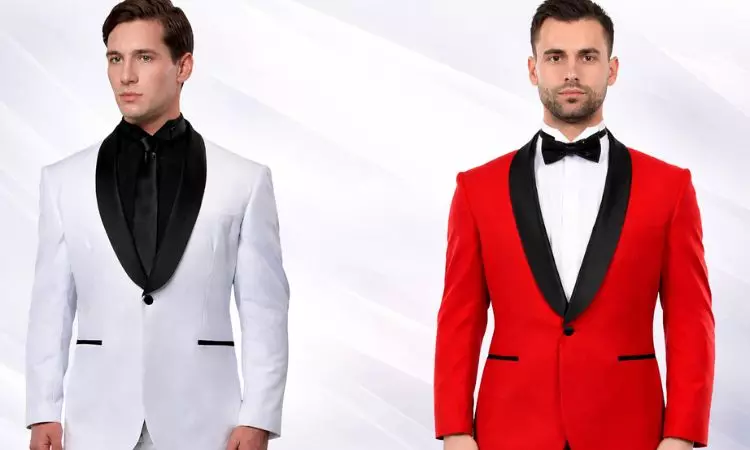
Slim Fit Tuxedos vs Regular Suits: Key Differences Explained
Choosing between a tuxedo and a suit isn’t as straightforward as it used to be. The lines have blurred, the fits have evolved, and what once felt overly formal now feels surprisingly wearable.
Today’s slim fit tuxedos are cut closer, move better, and look far more modern than their older counterparts. At the same time, regular suits have stepped up their game, offering sharper tailoring and more flexibility than ever before.
If you’re trying to decide which one actually fits your needs, this guide lays it out clearly. We’ll break down how tuxedos and suits differ in fit, construction, formality, and real-world use, so you can make a confident choice that matches the occasion and your personal style.
Understanding the Purpose: Formal vs Versatile
The first major difference comes down to intent. Tuxedos and suits are designed for very different moments, even if they sometimes look similar at a glance.
A tuxedo is purpose-built for formal events. Think black-tie weddings, galas, award ceremonies, and upscale evening affairs. A regular suit, on the other hand, is designed for versatility. It works for business meetings, daytime weddings, interviews, dinners, and social events.
This difference in purpose affects everything from fabric choices to styling details. When deciding between the two, the occasion should always be your starting point.
If the invitation specifies black tie, the decision is already made. If it doesn’t, a suit is usually the safer and more flexible option.
What Makes a Slim Fit Tuxedo Different
Slim fit tuxedos are defined by their clean silhouette and formal details. The “slim fit” part refers to how the jacket and trousers follow the body more closely without looking tight.
What truly separates a tuxedo from a suit is the detailing. Satin or grosgrain lapels are the most obvious sign. You’ll also notice satin stripes along the trousers, satin-covered buttons, and often a deeper black or midnight blue fabric.
Tuxedos are typically worn with a formal shirt, bow tie, and dress shoes like patent leather oxfords.
How Regular Suits Are Built and Styled
Regular suits focus more on adaptability than ceremony. They usually feature notch or peak lapels made from the same fabric as the jacket, no satin accents, and a broader range of colors and textures. Navy, gray, charcoal, and lighter seasonal shades all fall comfortably into suit territory.
One of the biggest advantages of a suit is how easily it can be dressed up or down. Swap a tie for an open collar, change your shoes, or mix the jacket with different trousers, and you’ve got multiple outfits from one purchase.
That flexibility is why most men own more suits than tuxedos.
Fit and Comfort: Slim vs Classic Cuts
Fit plays a huge role in how both options feel and look. Slim fit tuxedos are designed to sharpen your outline, especially through the shoulders, chest, and waist. The trousers typically taper down the leg, creating a long, streamlined appearance.
Regular suits come in a wider range of fits, from slim to classic to relaxed. This makes them easier to tailor to different body types and personal preferences.
If comfort and movement are priorities, a suit often wins simply because it offers more variety.
Here’s a quick comparison to make things clearer:
Feature
Slim Fit Tuxedo
Regular Suit
Primary use
Formal, black-tie events
Business, social, semi-formal
Lapels
Satin or grosgrain
Fabric-matched
Versatility
Limited
High
Styling flexibility
Low
High
Fabric and Finish: Why It Matters
Tuxedos typically use finer wool blends with a smoother finish. The goal is visual depth and elegance under evening lighting. The satin accents also catch light differently, adding contrast without being flashy.
Suits use a broader range of fabrics, including wool, wool blends, linen, and seasonal materials. This allows for more texture and breathability, especially in warmer climates. If you live somewhere with changing seasons, suits are easier to rotate year-round.
Fabric choice also impacts maintenance. Tuxedos often require more careful cleaning due to their delicate detailing, while suits are generally easier to care for.
Styling Flexibility and Accessories
This is where regular suits clearly pull ahead. You can wear the same suit with different shirts, ties, shoes, and even sneakers in some settings.
A tuxedo doesn’t offer that freedom. Its accessories are formal by design, and mixing things up too much can make the outfit feel off.
That said, tuxedos excel at what they’re meant to do: make a statement without extra effort. When worn correctly, a slim fit tuxedo needs very little styling. The structure and details do the work for you.
Read: The New York Standard: Elevating Life's Milestones with Custom
One More Alternative to Talk About
As you get closer to choosing between options, many men also consider 3 piece suits as a middle ground. Adding a vest instantly elevates a regular suit, making it feel more formal without crossing into tuxedo territory.
A three-piece suit works especially well for weddings, formal business events, and colder months. It offers structure, depth, and flexibility. You can remove the jacket and still look put together, which is something a tuxedo can’t easily replicate.
Which One Should You Choose?
The decision comes down to how often you’ll wear it and where. If you attend formal evening events regularly, owning one quality slim fit tuxedo is worth it. It saves rental costs and ensures a perfect fit every time.
If your lifestyle involves varied events, work settings, and social occasions, a regular suit offers far more mileage. It adapts, layers well, and works across seasons.
If you’re still unsure, start with a suit and build from there. You can always add a tuxedo later when the need becomes more frequent.
FAQs
What is the main difference between a tuxedo and a suit?
A tuxedo is designed for formal events and includes satin details, while a suit is more versatile and suitable for many occasions.
Can slim fit tuxedos be worn during the day?
They’re traditionally meant for evening events. Wearing one during the day can feel overly formal unless the event calls for it.
Are regular suits acceptable for weddings?
Yes. Most weddings allow suits unless the dress code specifically states black tie.
Is a tuxedo more expensive than a suit?
Generally, yes. The materials and detailing tend to increase the price.
Do I need a vest with a tuxedo?
Not always. Many modern tuxedos are worn with cummerbund or without additional layers.
Which option is better for first-time buyers?
A regular suit is usually the better starting point due to its versatility.