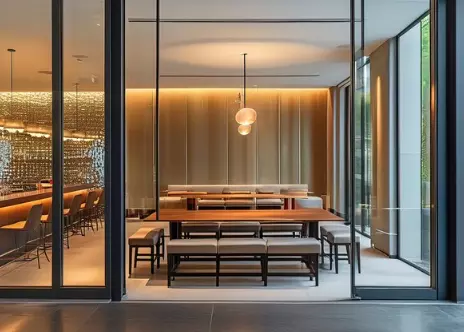
Sliding Pocket Doors for Seamless Restaurant and Café Layouts
In modern cafés and restaurants, every metre matters. Owners juggle comfort, flow, privacy, and design — all within tight spaces. One smart solution that has caught on lately is the sliding pocket door system.
Unlike old-fashioned hinged doors that swing wide, sliding doors glide smoothly into a hidden wall pocket. This opens up space and lets people move easily between areas. Sliding doors also hush noise, brighten the look and give owners more ways to shape their space.
In this guide, how designers and owners now use sliding pocket doors to make restaurants stylish and useful. You’ll also find simple tips on picking materials, planning layouts, and keeping your doors working like new.
What Is a Sliding Pocket Door System?
A sliding pocket door glides into a hidden space inside the wall, disappearing when open. Unlike regular sliding door system that scoot along the wall’s outside, pocket doors stay out of sight.
In a restaurant or café, this door style brings:
- A crisp, modern look
- Clever use of small spaces
- Easy movement between front and back areas
Designers often tuck away the track and frame to keep the door neat and flat with the wall. Pocket doors also hush noise, offer privacy and blend smoothly with different styles.
Benefits of Sliding Pocket Doors in Dining Spaces
1. Maximise Usable Space
Every bit of space matters in a café. Hinged doors swing wide and gobble up the room. A pocket door slips into the wall, leaving more space for:
- Extra tables
- Display stands
- Clearer walkways
- Easier moves for wheelchairs or prams
- Smoother paths for busy staff
These doors fit snugly in tight spots like restrooms, storage areas, and bustling kitchen entrances.
2. Improve Layout Flexibility
Sliding pocket doors glide open or closed to match the moment. Use them for:
- Private dining: Slide the door shut to craft a quiet space for events.
- Open layout: Tuck the door away to stretch the main room.
- Back-of-house: Close off the kitchen when it’s not buzzing.
- Multi-use spaces: Quickly shift the layout for busy lunches, slow afternoons, or lively parties.
3. Control Sound and Smell
Cooking stirs up sounds, heat, and strong smells. A pocket door seals off the kitchen, keeping the dining space fresh. When closed, these doors:
- Muffle noisy clatter
- Stop food smells from sneaking out
- Help airflow stay balanced
- Keep guests comfortable and relaxed
4. Add a Touch of Minimal Style
Sliding pocket doors melt into the wall like they’re part of it. This clean look works well with:
- Industrial themes: Metal or glass frames sharpen the space.
- Rustic styles: Timber panels wrap the room in warmth.
- Scandinavian layouts: Neutral tones and simple lines keep things airy.
- Modern designs: No clunky hinges or handles break the room’s flow.
These doors vanish when open and blend when shut, adding elegance without fuss.
Where to Use Sliding Pocket Doors in Restaurants and Cafés?
1. Kitchen Entrances
- Pocket doors slip between the kitchen and dining room with ease. When shut, they hide the mess. When open, staff zip through without doors blocking their way. They also hush the clatter from busy kitchens.
2. Toilet or Baby-Changing Rooms
- In small cafés, toilets often nestle near dining spots. A sliding door muffles sounds and saves space, without bumping into tables or guests. It also adds a neat, private touch.
3. Private Dining Sections
- Pocket doors carve out cosy rooms from the main floor. They make perfect hideaways for group meals, business chats, or celebrations. Slide the door shut for quiet or pull it open for a more social feel.
4. Storage or Cleaning Supply Rooms
- Pocket doors tuck away staff-only areas. They keep cleaning supplies and storage bins out of sight. When open, they vanish, leaving the space tidy and clear.
5. Outdoor Areas and Patios
- In Singapore’s warm weather, outdoor dining thrives. A sliding pocket door swings open to link the patio and main room, letting breezes swirl in. When rain or heat strikes, it seals off the space with ease. Glass panels also frame pretty views, even when closed.
Materials and Styles to Think About
1. Glass Pocket Doors
Clear or frosted glass lets light spill through while adding a gentle divide. Glass fits well in:
- Modern cafés
- Open-concept restaurants
- Spaces that soak up daylight
- Areas wanting a breezy, bright feel
2. Timber Pocket Doors
Wood panels spread the warmth. Use them to match:
- Rustic cafés
- Vintage themes
- Rooms that soften sounds
- Cosy corners craving a natural touch
They also work well in classic restaurants where bold colours might clash. Stained or textured wood can lift the room’s charm.
3. Metal or Framed Doors
- Metal frames sharpen spaces with an industrial or modern edge. They stand strong in busy spots, lasting through lots of use. With clean lines and tough builds, they bring bold style and polished charm.
Sliding Door System Hardware Essentials
For smooth performance, pick strong and reliable parts:
- Track and rollers: Let the door glide quietly and steadily without wobbling.
- Soft-close: Gently catches the door and stops it from slamming.
- Handles and locks: Choose flush or hidden grips to keep a clean and simple style.
- Wall structure: Make sure the wall holds the pocket cavity firmly.
- Material choice: Go for tough finishes that fight off scratches and handle lots of use.
Designers often team up with builders to fit cavity kits early, keeping work smooth and quick.
Safety and Maintenance Tips
Keep Tracks Clear
Dust and dirt sneak in and block the tracks. Sweep them clean every month with a soft brush or cloth.
Use Durable Materials
In kitchens and washrooms, water can splash. Pick water-resistant finishes. If kids visit, use strong tempered glass to stay safe.
Service the Rollers
Rollers wear out and make doors jerk and stutter. Check them twice a year and swap them out if they look rough.
Fire and Access Codes
Every city has rules to keep people safe. Some kitchens need fire-rated doors. Always check what’s needed before installing.
Design Tips for Restaurant Space Layouts
Plan for Flow
Pocket doors work best in busy spots like kitchens, washrooms, and staff walkways. Keep them away from counters and heavy furniture that block their path.
Choose Quiet Hardware
Loud doors ruin the calm in peaceful cafés. Soft-close or silent-glide hardware keeps noise low and guests happy.
Blend with the Interior
Match the door’s colour and texture to the walls or trim. Try hidden handles or painted frames for a smooth, stylish look.
Think Long-Term
Choose surfaces that fight off dirt and fingerprints. Glossy or textured finishes stay neat and last longer, even in bustling restaurants.
Conclusion
A sliding pocket door system does more than save space. It shapes how guests and staff move, how sound travels, and how rooms feel. With the right design, this sliding door blends into the wall and boosts both style and function.
Whether you build a café from scratch or refresh a small restaurant, a restaurant space design sliding pocket door offers an easy way to bring flexibility, calm, and beauty into your layout. It tucks away when not needed and slides out when the moment calls for change.