
How to Choose the Right Pigmentation Facial Treatment Based on Your Skin Tone?
Unique skin tone reactions to spots, dark marks, and sun damage. A skin pigmentation facial treatment fills the skin with deep water and helps it respond better to care. Before chasing trends or grabbing random creams, study how your skin heals and changes. Match the treatment to the tone and protect the glow. When you lead with care and smart steps, your skin grows strong, smooth, and ready to shine each day.
Spot Your Skin Tone First
Understand a skin type before starting the treatment. There are four types of skin: fair, medium, oily, and dark. Each one acts differently with pigmentation care.
How to Spot Your Tone
Use daylight and a mirror to see your skin tone clearly:
- Fair skin turns red fast, doesn’t tan much
- Medium skin gets a light tan, may show spots.
- Olive skin shows yellow or green tones.
- Dark skin tans fast, often shows deep marks.
Also, check how your skin heals. Does it leave a mark after a scratch or bump? That gives more clues.
Why Pigmentation Happens
Before fixing spots, understand what causes them. Pigmentation doesn’t only come from the sun. It also comes from hormones, age, or healing after cuts or acne.
Common Triggers
- Sunlight over time can cause dark patches.
- Marks after pimples or cuts can leave spots.
- Hormonal changes, like pregnancy, may cause melasma.
- Ageing causes brown or grey spots.
Each reason changes how your skin looks—and each skin tone reacts in its own way.
Treatments That Match Your Tone
Now that you know your tone, choose a treatment that works well with it. Not all treatments suit every skin. The wrong one can make things worse.
For Fair Skin
- Use soft peels that brighten gently.
- Try fruit-based products.
- Go for calming treatments.
For Medium Skin
- Try niacinamide or soft acids.
- Use safe light treatments.
- Avoid heat-heavy methods.
For Oily or Dark Skin
- Pick vitamin C or azelaic acid.
- Stay away from strong peels.
- Use small-area treatments, not full-face ones.
These will help fade dark spots without harming your skin’s natural look.
Booster Treatment For Skin
A skin booster treatment fuels your skin from the inside. It doesn’t erase dark spots right away, but it builds your skin stronger and keeps it healthy. This power helps other treatments stick longer and work better.
What Skin Boosters Do
- Make your skin soft and full.
- Smooth, rough, or bumpy patches.
- Help skin look even and fresh.
- Bring out your natural glow.
This works well after other treatments. It gives your skin a healthy base and keeps it strong.
In-Clinic vs At-Home
You can treat skin in two ways: at home or in a clinic. Both help, but they work best in different ways.
In-Clinic Options
- Chemical peels made for your tone
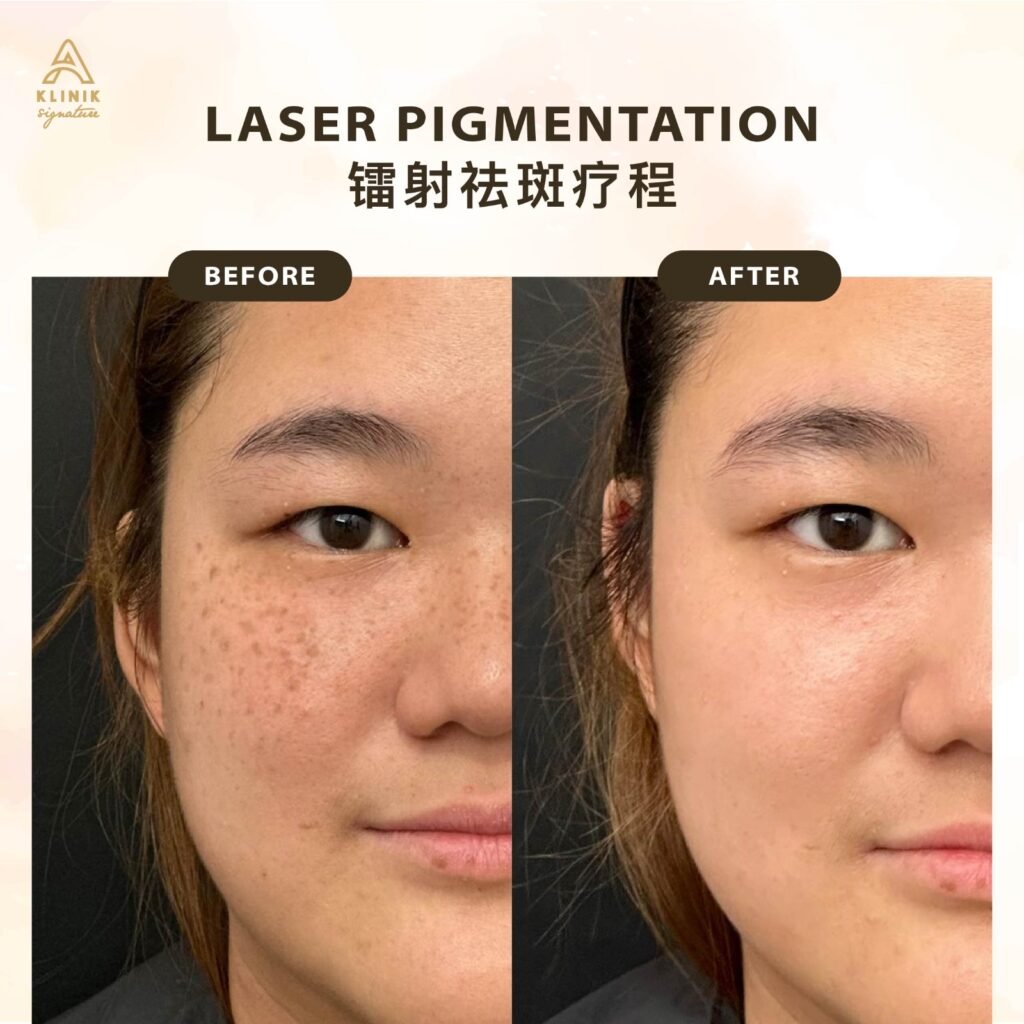
- Laser work for tough spots
- Microneedling with pigment serums
- Light tools (only if safe for your tone)
These give faster changes, but a skin expert must do them.
At-Home Care
- Serums with good vitamins
- Face masks with natural herbs
- Daily sunscreen with zinc
These keep your skin healthy between clinic visits and protect your results.
Dodge Common Mistakes
Many people treat their skin the wrong way. Some things can make spots worse. Stay smart and keep your skin safe.
Mistakes to Dodge
- Not testing new products on a small patch
- Scrubbing too hard or too often
- Forgetting sunscreen, even on cloudy days
- Using too many strong products at once
Slow and steady care works better than rushing. Think of your skin like a garden—it needs gentle, daily care.
Feed Your Skin from the Inside
Skin reflects what stirs inside your body. Food, water, sleep, and stress shape how it acts. When your body drags with tiredness, your skin often droops and dulls too.
How to Support Skin Naturally
- Eat fruits, seeds, and green veggies.
- Drink clean water often.
- Rest well each night.
- Avoid smoking and drink less fizzy or sugary drinks
A healthy body helps your skin stay bright and strong.
Skin Care After Treatment
Once you start a skin booster treatment, your job isn’t done. How you treat your skin after care is just as important. Aftercare protects your results and stops new spots from forming.
Aftercare Tips
- Use mild creams to calm skin.
- Wear SPF 30 or more every day.
- Stay out of strong sunlight.
- Skip heavy makeup until skin settles.
Follow your expert’s advice. Healing skin needs gentle care and time.
Good Habits with Great Treatments
Good skin doesn’t only come from creams or masks. It also comes from your daily habits. Keep a routine that helps your skin and keeps it strong.
Helpful Habits
- Wash your face with soft soap, not strong ones.
- Dry skin by patting, not rubbing
- Keep your pillow and towel clean.
- Don’t touch your face too often.
These small things protect your skin and stop spots from coming back.
Grow a Routine That Feeds Your Skin
Great skin doesn’t stop with one visit or cream. What you do each day helps your skin stay strong, bright, and happy. A smart routine lifts your treatment and blocks dark spots from creeping back. Picture your skin as a tiny plant—it needs the right care to sprout, shine, and stay strong.
Habits That Skin Glows Longer
- Splash cool water on your face and pat it dry—don’t scrape or rub
- Smooth on sunscreen every morning to shield skin from the sun.
- Flip your pillowcase often so your skin rests on something clean.
- Guzzle water during the day to fill your skin with fresh energy
Final Thoughts
The best skin pigmentation facial treatment matches your skin tone and helps it shine. Each person’s skin is different. By learning your tone and picking smart care, you help your skin glow again. A KLINIK can guide you with the right tools and knowledge. Choose your care wisely. Be kind to your skin. When you treat it right, it gives back with smooth, healthy beauty.
Frequently Asked Questions
Q1: How do I spot the right facial treatment for my skin?
Watch how your skin behaves in sunlight or after a scratch. Visit a skin expert who can study your tone and steer you toward safe choices that fit your skin best.
Q2: Can I clear dark spots by myself at home?
Yes, you can fade small spots using gentle creams, sun care, and clean habits. But if the spots stay or grow darker, let a skin expert take a closer look.
Q3: When will I notice a change after a facial treatment?
Some people see their skin shift in one or two weeks. Others take more time. Stick to your routine, stay patient, and let the skin do its job step by step.
Read More:-
Why more People in KL are Choosing LCP Certified Clinics for HIFU Treatments?