Simple Ideas for Keeping Your Home in Good Shape
A home becomes easier to manage when everyday spaces are kept organized. Rooms can collect dust, misplaced items, and small signs of wear through regular use.
Creating simple routines can make cleaning and maintenance less difficult. A little attention each week can also help keep different areas in better condition.
Start With the Entryway
The entrance is one of the first areas people see when they visit a home. Shoes, bags, dirt, and outdoor debris can quickly collect near the door.
A small storage area can help keep belongings in their proper place. Regular sweeping and cleaning can also make the entrance more pleasant.
Care for the Living Room
Living rooms often receive frequent use from family members and guests. Furniture, shelves, windows, floors, and other surfaces can collect dust over time.
Regular vacuuming and surface cleaning can help keep the space tidy. Rearranging furniture occasionally can also make the room feel more open.
Keep the Kitchen Fresh
The kitchen can become messy quickly because of cooking and daily activity.
Counters, sinks, cabinet doors, appliances, and floors should be cleaned regularly. Food spills should be handled soon after they occur. Keeping frequently used items organized can make cooking and cleaning easier.
Maintain Kitchen Cabinets
Cabinets store dishes, cookware, food, and many other household items. Over time, handles can loosen, doors can become uneven, and surfaces may show signs of use.
Checking hardware and cleaning cabinet surfaces can help maintain their condition. Items should also be arranged so shelves are not overloaded.
Read: Smart Home Improvements: Patio Cover Ideas Featuring
Take Care of Bathroom Areas
Bathrooms require regular attention because water and humidity are common.
Sinks, showers, toilets, mirrors, floors, and fixtures should be cleaned as part of a normal household routine. Ventilation can help manage moisture after bathing. Visible leaks should be investigated rather than ignored.
Check Floors Regularly
Different flooring materials require different forms of care.
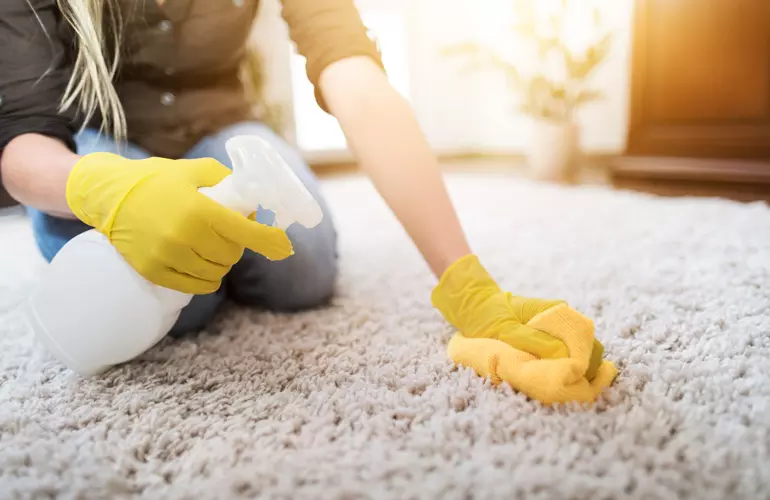
Carpet, tile, wood, vinyl, and other surfaces should be cleaned according to their specific requirements. Dirt and debris can cause unnecessary wear when left on floors for long periods. Regular cleaning can help preserve their appearance.
Inspect Walls and Ceilings
Walls and ceilings can reveal changes that are easy to overlook. Small marks may simply need cleaning, while stains, unusual cracks, or areas of damaged material may deserve closer attention.
Checking these surfaces occasionally can help homeowners notice changes early. Any significant concern should be evaluated appropriately.
Look After Windows
Windows can collect dust, fingerprints, and outdoor residue. Glass, frames, tracks, and accessible hardware can be cleaned as part of routine household care.
Homeowners can also check for damaged seals or difficulty opening and closing windows. Keeping windows maintained can improve both appearance and everyday use.
Maintain Doors and Hardware
Interior and exterior doors are used frequently and can develop loose hinges or handles. Checking screws, hinges, locks, and other hardware can help keep doors operating properly.
Doors should also be checked for visible damage or changes in alignment. Small adjustments can sometimes resolve minor operating problems.
Keep Outdoor Areas Clean
Outdoor spaces can collect leaves, dirt, branches, and other debris. Patios, walkways, steps, decks, and other areas should be checked regularly.
Keeping drainage paths clear can also help direct rainwater away from the property. Seasonal outdoor cleaning can make these spaces easier to use.
Monitor Gutters and Drainage
Gutters and downspouts help move rainwater away from the home. Leaves and debris can block water flow if they are not removed periodically.
Homeowners should check these areas, especially after periods of heavy weather. Proper drainage can help reduce unwanted water around exterior walls and foundations.
Maintain Heating and Cooling Equipment
Heating and cooling equipment needs regular care to operate as intended. Filters should be replaced according to the manufacturer's recommendations, while vents should remain free from unnecessary obstructions.
Unusual sounds or changes in performance may indicate that the equipment needs attention. Maintenance records can help track service dates.
Keep Plumbing Areas Dry
Plumbing fixtures should be checked periodically for visible leaks. Areas beneath sinks, around toilets, near water heaters, and around washing machines can be useful places to inspect.
Moisture should not be allowed to remain on surfaces unnecessarily. Finding a leak early can help reduce the possibility of further property damage.
Organize Storage Spaces
Closets, cabinets, garages, and storage rooms can become crowded over time. Sorting belongings into practical groups can make these spaces easier to use.
Frequently needed items should remain accessible, while rarely used belongings can be stored in less convenient areas. Removing unnecessary items can create additional room.
Follow Appliance Care Instructions
Household appliances have different maintenance requirements. Refrigerators, washing machines, dryers, ovens, dishwashers, and other equipment should be cared for according to their manufacturer's instructions.
Cleaning filters, vents, seals, and accessible components may be part of routine care. Proper use can help reduce avoidable wear.
Create a Seasonal Checklist
Home maintenance can become easier when tasks are divided throughout the year. Spring may be a good time to review outdoor areas, while colder months may require attention to heating and plumbing.
A seasonal checklist can prevent important tasks from being forgotten. The schedule can be adjusted according to the property's needs.
Keep Repair Records
Writing down completed repairs and maintenance tasks can help homeowners keep track of the property's history. Records can include dates, replaced components, service information, and warranty details.
This information may be useful when planning future work. Keeping documents together also makes them easier to find when needed.
Address Changes as They Appear
Regular observation can help homeowners notice changes in their property. A new stain, unusual sound, loose fixture, sticking door, or damaged surface may be worth checking.
Not every issue requires major work, but ignoring changes can sometimes make future maintenance harder. Early attention can keep small tasks manageable.
Build a Practical Home Care Routine
Keeping a home in good condition does not require completing every task at once. A simple routine that combines cleaning, organization, seasonal checks, and basic maintenance can make property care easier.
Homeowners can focus first on areas that receive the most use. Consistent attention can help create a cleaner, more comfortable, and better-organized living environment.