Simon Air Quality the Right Choice for Healthier Indoor Air
Indoor air quality plays a significant role in maintaining a healthy home or workplace. While many people focus on keeping their spaces clean, they often overlook the air they breathe every day. Pollutants such as mold spores, dust, allergens, volatile organic compounds (VOCs), and radon can silently affect indoor environments and create health risks over time.
This is where Simon Air Quality stands out. With professional testing, advanced equipment, and expert recommendations, Simon Air Quality helps property owners identify hidden air quality problems before they become serious.
Whether you own a home, manage a commercial building, or are planning to buy a new property, professional indoor air testing can provide valuable peace of mind.
In this article, you'll learn what Simon Air Quality offers, why indoor air quality matters, and how professional testing helps create safer and healthier indoor spaces.
What Is Simon Air Quality?
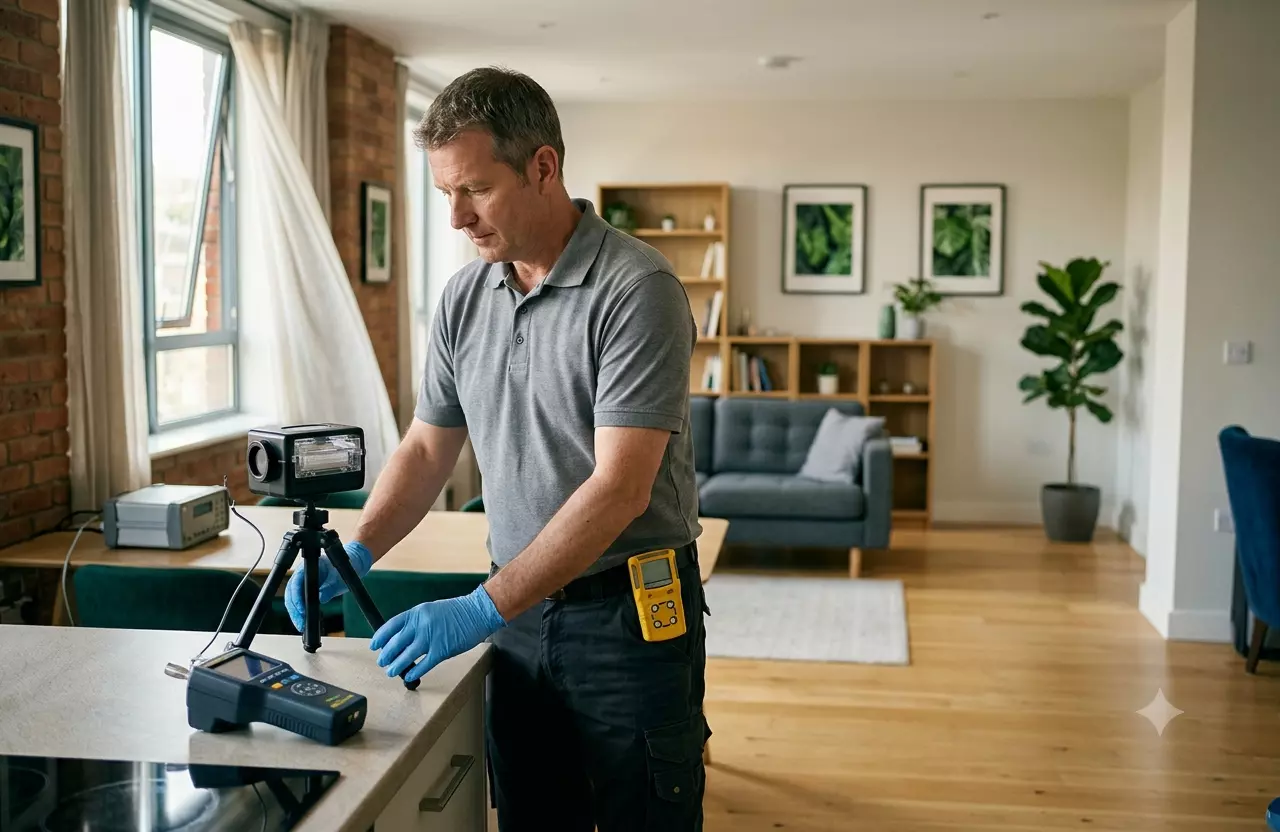
Simon Air Quality is a professional indoor environmental testing service specializing in identifying air quality concerns inside residential and commercial properties. The company focuses on detecting contaminants that are often invisible but may impact health and building conditions.
Their services are designed to provide accurate testing results using industry-approved methods. Rather than guessing the cause of indoor air problems, Simon Air Quality uses scientific testing to identify the source and recommend appropriate solutions.
Their goal is to help homeowners, businesses, landlords, and property managers make informed decisions about indoor environmental safety.
Why Indoor Air Quality Matters
Many people spend approximately 90% of their time indoors. If the indoor environment contains pollutants, exposure can continue for long periods without anyone realizing it.
Poor indoor air quality may contribute to:
- Allergy symptoms
- Persistent coughing
- Headaches
- Eye irritation
- Asthma flare-ups
- Respiratory discomfort
- Fatigue
- Unpleasant odors
Children, elderly individuals, and people with existing respiratory conditions are often more sensitive to indoor pollutants.
Professional testing allows these issues to be identified before they worsen.
Common Indoor Air Pollutants
Understanding indoor contaminants helps property owners appreciate the importance of regular air quality testing.
Mold Spores
Mold can grow behind walls, inside ceilings, beneath flooring, or anywhere moisture exists. Even when mold isn't visible, airborne spores may spread throughout the property.
Professional mold testing helps determine:
- Whether mold is present
- The concentration of spores
- Types of mold detected
- Areas requiring further inspection
Radon Gas
- Radon is a naturally occurring radioactive gas that enters buildings through cracks in foundations and basement floors.
- Because it has no color, smell, or taste, testing is the only reliable method for detection.
- Long-term radon exposure has been linked to lung cancer, making routine testing an important safety measure.
Volatile Organic Compounds (VOCs)
Many household products release VOCs into indoor air.
Common sources include:
- Paint
- Cleaning products
- New furniture
- Flooring materials
- Adhesives
- Air fresheners
High VOC levels may contribute to headaches, dizziness, irritation, and poor indoor comfort.
Allergens
Indoor allergens may include:
- Dust mites
- Pet dander
- Pollen
- Mold spores
Testing helps identify whether airborne allergens are affecting indoor air quality.
Particulate Matter
Tiny airborne particles can originate from:
- Cooking
- Smoking
- Fireplaces
- Outdoor pollution
- Construction activities
Fine particles may enter the lungs and affect respiratory health over time.
Services Offered by Simon Air Quality
Simon Air Quality provides several specialized environmental testing services.
Indoor Air Quality Testing
Comprehensive indoor air quality testing evaluates multiple airborne contaminants and identifies factors affecting indoor comfort and safety.
Testing often includes:
- Air sampling
- Humidity measurements
- Temperature analysis
- Airborne particle assessment
- Ventilation evaluation
Mold Inspection and Testing
Professional mold inspections help locate hidden moisture problems while laboratory testing identifies mold species and spore levels.
The inspection process may involve:
- Visual inspections
- Moisture detection
- Air sampling
- Surface sampling
- Laboratory analysis
Radon Testing
Radon testing provides accurate measurements of indoor radon concentrations.
Property owners frequently request radon testing when:
- Buying a home
- Selling property
- Renovating basements
- Experiencing long-term occupancy
Moisture Investigations
Excess moisture often leads to mold growth and structural damage.
Professional moisture investigations identify:
- Hidden leaks
- Water intrusion
- Condensation problems
- Areas at risk for future mold growth
Benefits of Choosing Simon Air Quality
Hiring professionals provides several advantages over attempting to identify air quality issues independently.
Accurate Testing
Professional equipment delivers reliable results that consumer-grade testing kits may not provide.
Expert Interpretation
Testing data alone is not enough. Simon Air Quality helps explain laboratory findings and identifies practical next steps.
Early Problem Detection
Finding problems early may reduce repair costs and prevent larger environmental issues.
Health Protection
Improving indoor air quality supports healthier living and working environments for families and employees.
Property Value
Clean indoor environments may improve buyer confidence during property sales and inspections.
When Should You Schedule Air Quality Testing?
Air quality testing is recommended in several situations.
Consider scheduling testing if you notice:
- Persistent musty odors
- Recent water damage
- Visible mold
- Allergy symptoms indoors
- Respiratory irritation
- High humidity
- Basement moisture
- Poor ventilation
- Unexplained indoor odors
Testing is also valuable before purchasing a home to uncover hidden environmental concerns.
Read: The Connection Between a Clean Office and Mental Health
The Air Quality Testing Process
Professional indoor air testing generally follows several steps.
Initial Consultation
Property owners discuss concerns and building history with the inspector.
Property Inspection
The inspector evaluates visible conditions, moisture levels, ventilation, and possible contamination sources.
Air Sampling
Samples are collected using specialized equipment from selected indoor areas.
Laboratory Analysis
Certified laboratories analyze samples to identify contaminants and measure concentration levels.
Detailed Report
Clients receive a comprehensive report explaining findings, laboratory results, and recommendations.
Tips for Maintaining Better Indoor Air Quality
While professional testing identifies problems, homeowners can also take preventive measures.
Helpful practices include:
- Change HVAC filters regularly.
- Keep humidity between 30% and 50%.
- Repair leaks quickly.
- Improve ventilation.
- Clean air ducts when necessary.
- Use exhaust fans in kitchens and bathrooms.
- Vacuum with HEPA-filter equipment.
- Reduce indoor chemical pollutants.
- Schedule periodic air quality inspections.
These simple steps help support healthier indoor environments throughout the year.
Why Professional Testing Is Better Than DIY Kits
Many inexpensive testing kits promise fast answers, but they often provide limited information.
Professional services offer:
- Laboratory-certified analysis
- Higher testing accuracy
- Multiple sampling methods
- Expert interpretation
- Customized recommendations
- Comprehensive reporting
This level of detail allows property owners to make informed decisions rather than relying on incomplete results.
Explore Professional Services at Simon Air Quality
If you are looking for reliable indoor environmental testing, the services available through provide comprehensive solutions for homeowners and businesses. The company offers professional indoor air quality testing, mold inspection, radon testing, moisture investigations, and environmental assessments tailored to different property needs.
Their experienced approach helps identify hidden air quality concerns using advanced testing methods, allowing clients to better understand their indoor environment and take appropriate action to improve overall air quality and occupant safety.
Conclusion
Indoor air quality directly affects health, comfort, and the long-term condition of any property. Hidden contaminants such as mold spores, radon, allergens, and airborne particles often go unnoticed until they begin causing noticeable problems.
Simon Air Quality provides professional testing services that help homeowners and businesses accurately identify indoor environmental concerns. Through detailed inspections, laboratory analysis, and expert recommendations, property owners gain the information needed to improve indoor air quality and create healthier living and working spaces.
Whether you're purchasing a new property, addressing health concerns, investigating mold, or simply wanting cleaner indoor air, investing in professional air quality testing is a proactive step toward protecting both your property and the people inside it.