Silica Sand in India: Market Trends, Quality Grades, Applications, and Price Factors
India has emerged as one of the leading producers and consumers of silica sand, supplying industries that range from glass manufacturing and construction to paints, ceramics, electronics, and renewable energy.
As industrial development continues to grow, the demand for high purity silica sand has increased significantly across both domestic and international markets.
However, not all silica sand is the same. Its quality, purity, grain size, and processing methods determine where it can be used and how much it costs. For manufacturers, builders, and procurement professionals, understanding these differences is essential for making informed purchasing decisions.
This guide explores the current silica sand market in India, different quality grades, major industrial applications, and the factors that influence the silica sand price per ton.
What Is Silica Sand?
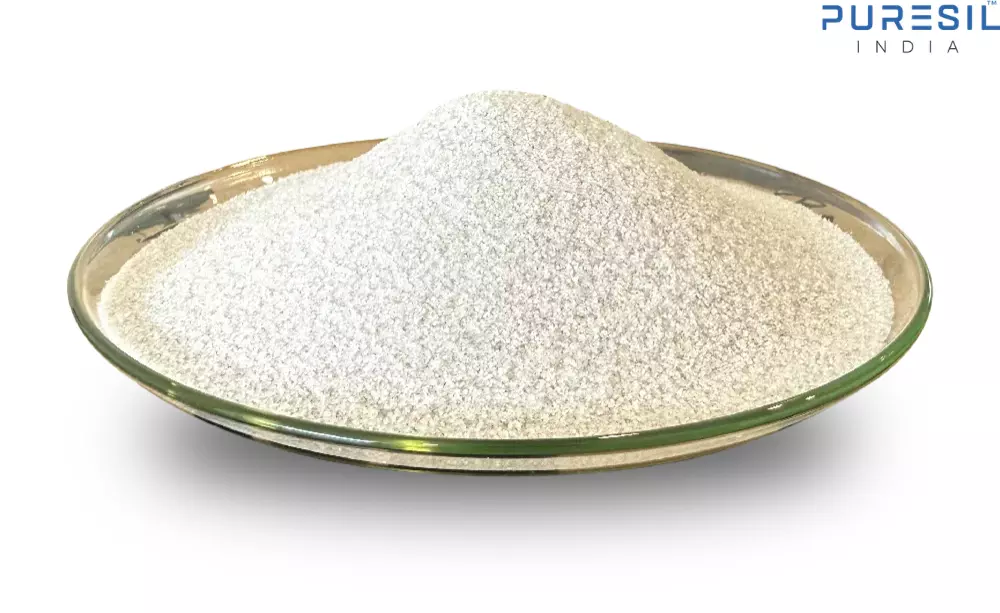
Silica sand is a naturally occurring mineral composed mainly of silicon dioxide (SiO₂). Unlike ordinary river or construction sand, industrial-grade silica sand undergoes washing, screening, drying, and other processing techniques to improve its purity and remove unwanted impurities such as clay, dust, and iron particles.
Because of its excellent chemical stability, heat resistance, and hardness, industrial silica sand has become an essential raw material for numerous manufacturing industries.
Some of its key properties include:
- High silicon dioxide content
- Low iron impurities
- Uniform grain size
- Excellent thermal stability
- High hardness
- Low moisture content
These characteristics make pure silica sand suitable for high-performance industrial applications.
Why Is India a Major Producer of Silica Sand?
India has abundant natural silica deposits distributed across several states. Combined with growing processing capabilities and increasing industrial demand, this has positioned the country as an important supplier in the global market.
Several factors contribute to India's growing role:
- Large natural silica reserves
- Expanding manufacturing sector
- Improved mineral processing technologies
- Rising demand from domestic industries
- Increasing export opportunities
- Competitive production costs
Today, many silica sand manufacturers in India supply processed silica products to industries across Asia, the Middle East, Europe, and other international markets.
Industries Driving the Demand for Silica Sand in India
The demand for Silica Sand in India continues to rise because it serves multiple industries.
Major sectors include:
Glass Manufacturing
The glass industry is one of the largest consumers of high purity silica sand.
Applications include:
- Float glass
- Automotive glass
- Solar glass
- Bottles
- Laboratory glassware
- Architectural glass
Manufacturers often prefer low iron silica sand because it produces clearer and brighter glass products.
Construction Industry
Construction companies use silica sand in various applications, including:
- High-strength concrete
- Cement products
- Decorative flooring
- Mortars
- Industrial grouts
- Engineered stone
Its consistent particle size helps improve the durability and strength of construction materials.
Paint and Coating Industry
Another growing application is silica sand for paint manufacturing.
Silica improves:
- Surface finish
- Abrasion resistance
- Coating durability
- Weather protection
- Product consistency
Industrial coatings used in factories and warehouses commonly contain processed silica sand.
Foundries
Metal casting industries rely heavily on industrial silica sand because it can withstand extremely high temperatures without losing its structural integrity.
Common products manufactured using silica-based molds include:
- Engine blocks
- Brake components
- Pump housings
- Machine parts
- Agricultural equipment
Artificial Grass
The popularity of silica sand for artificial grass has grown rapidly due to increased investment in sports infrastructure and landscaping.
Silica sand provides:
- Better drainage
- Improved turf stability
- Longer surface life
- Enhanced player safety
- Consistent grass fiber support
Football grounds, schools, golf courses, and residential landscapes frequently use silica sand as an infill material.
Understanding Different Quality Grades
Different industries require different grades of silica sand.
The quality is generally determined by:
Chemical Properties
- Silicon dioxide percentage
- Iron oxide content
- Alumina content
- Moisture level
Physical Properties
- Particle size
- Grain shape
- Uniformity
- Hardness
- Bulk density
For example:
- Glass manufacturers require high purity silica sand with very low iron content.
- Foundries focus on grain size and thermal stability.
- Paint manufacturers prioritize particle consistency.
- Artificial turf installers require controlled grain distribution.
Choosing the correct grade helps improve manufacturing efficiency and product quality.
Why High Purity Silica Sand Matters
The quality of raw materials has a direct impact on manufacturing performance.
Real-World Example
- Consider two companies manufacturing premium glass bottles.
- The first company uses ordinary silica sand containing higher levels of iron impurities.
- The second company uses low iron silica sand.
- Although both companies follow the same production process, the second manufacturer produces crystal-clear bottles with fewer rejected products.
- This simple example demonstrates why industries are increasingly investing in high purity silica sand instead of lower-grade alternatives.
How to Choose a Reliable Silica Sand Manufacturer
Before deciding to buy silica sand, businesses should evaluate more than just pricing.
A reliable silica sand manufacturer should offer:
- Consistent product quality
- Laboratory-tested material
- Technical documentation
- Multiple grain size options
- Reliable delivery schedules
- Modern processing facilities
- Strong production capacity
- Responsive customer support
Experienced silica sand manufacturers in India also understand the quality requirements of different industries and can recommend suitable grades for specific applications.
Factors That Affect Silica Sand Price Per Ton
One of the most common questions buyers ask is, "What is the silica sand price per ton?"
The answer depends on several factors rather than a fixed market rate.
Some of the biggest influences include:
1. Purity Level
Higher silicon dioxide content generally requires additional processing, increasing production costs.
2. Iron Content
Low iron silica sand commands higher prices because removing iron impurities requires advanced processing techniques.
3. Grain Size
Different industries require different particle sizes.
Custom grading increases production complexity and affects pricing.
4. Processing Technology
Silica sand that has undergone washing, drying, magnetic separation, and precision screening typically costs more than unprocessed material.
5. Transportation Costs
Freight plays a significant role in the final purchase cost, especially for bulk industrial orders.
6. Packaging
Bulk deliveries usually cost less per ton than smaller packaged quantities due to lower handling expenses.
7. Order Volume
Large-volume purchases often receive better pricing because transportation and processing costs are distributed over a greater quantity.
Current Market Trends in India
The Indian silica sand market continues to evolve alongside industrial growth.
Some noticeable trends include:
- Rising demand from renewable energy projects.
- Expansion of the domestic glass manufacturing industry.
- Increased investment in infrastructure and construction.
- Growing exports of processed silica sand.
- Greater focus on premium-quality, high-purity grades.
- Adoption of advanced mineral processing technologies.
As manufacturing standards become stricter, industries increasingly prefer suppliers capable of delivering consistent quality rather than simply offering the lowest price.
Tips Before You Buy Silica Sand
Whether you're purchasing for a manufacturing plant or a construction project, consider the following checklist.
✔ Verify the silicon dioxide percentage.
✔ Check the iron oxide content.
✔ Request laboratory test reports.
✔ Review particle size specifications.
✔ Confirm processing methods.
✔ Compare multiple suppliers.
✔ Evaluate logistics and delivery timelines.
✔ Consider long-term supply consistency rather than only price.
Taking these steps can help businesses reduce production risks and improve operational efficiency.
Final Thoughts
The demand for Silica Sand in India continues to grow as industries expand and manufacturing standards become more demanding.
From glass production and construction to paints, foundries, ceramics, and artificial grass systems, silica sand remains one of the most important industrial minerals in modern manufacturing.
Understanding quality grades, processing methods, and the factors affecting the silica sand price per ton enables businesses to make better purchasing decisions.
Whether you need high purity silica sand, low iron silica sand, or specialized industrial silica sand for a specific application, choosing a trusted silica sand manufacturer with consistent quality standards can significantly improve production efficiency and product performance.
As India strengthens its position in the global industrial minerals market, the focus is shifting toward premium-quality materials, advanced processing, and sustainable supply practices.
Businesses that prioritize quality over short-term cost savings are more likely to achieve long-term success and maintain a competitive edge in their respective industries.