Signs Your Home Electrical System Needs an Upgrade
Most homeowners never think about their electrical system until something goes wrong. But your home's wiring and electrical panel quietly work every single day.
Over time, they get old, worn out, and simply can't keep up with modern electricity demands.
Ignoring the warning signs can lead to higher electricity bills, damaged appliances, or even serious safety hazards like electrical fires.
In this article, we will walk you through the most common signs that your home electrical system needs an upgrade, explained in simple and easy to understand language.
1. Your Circuit Breakers Keep Tripping
Circuit breakers are designed to shut off when too much electricity flows through them. This is a safety feature.
But if your breakers are tripping frequently, especially when you run normal appliances like a microwave, washing machine, or air conditioner, it is a clear sign that your electrical panel is overloaded and struggling to handle the demand.
What to do: Have a licensed electrician inspect your panel. You may need a panel upgrade or additional circuits.
2. Your Lights Flicker or Dim
Do your lights flicker when you turn on a large appliance? Or do they randomly dim on their own?
This is not normal. Flickering or dimming lights usually mean your electrical system cannot handle the load. It could also be a sign of loose wiring, which is a serious fire hazard.
What to do: Do not ignore this sign.Call an electrician as soon as possible to check your wiring and connections.
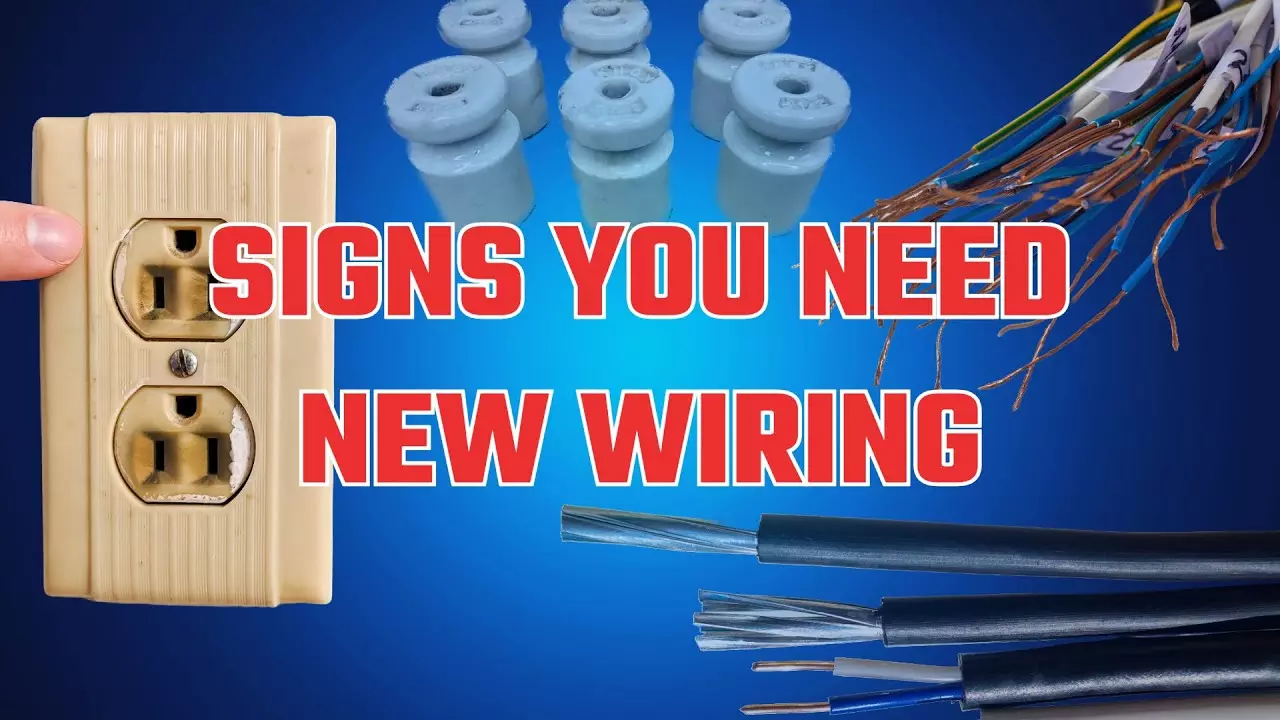
3. You Have Old or Outdated Wiring
If your home is more than 30 to 40 years old, there is a good chance it still has outdated wiring. Two of the most common types are:
Knob and tube wiring which was used in homes built before the 1950s and is no longer considered safe for modern electrical loads.
Aluminum wiring which was popular in the 1960s and 1970s but is now known to be a fire risk compared to copper wiring.
What to do: If your home has either of these, it is strongly recommended to get your wiring inspected and upgraded by a professional.
4. You Only Have Two Prong Outlets
Modern electrical outlets have three prongs. The third prong is the ground, and it protects you from electrical shocks.
If your home still has two-prong outlets, your electrical system is outdated and does not meet current safety standards. This also means your appliances and electronics are not properly protected.
What to do: Upgrade to three-prong grounded outlets throughout your home.
5. You Are Using Too Many Extension Cords and Power Strips
Using one or two extension cords occasionally is fine. But if you are relying on extension cords and power strips every day just to plug in your basic appliances, it means your home does not have enough outlets for your needs.
This is not just inconvenient. It is also a fire hazard because overloaded power strips can overheat.
What to do: Have an electrician install additional outlets in the rooms where you need them most.
6. Your Electrical Panel Still Uses Fuses
Older homes sometimes have a fuse box instead of a modern circuit breaker panel. Fuse boxes are outdated, less safe, and cannot handle the electrical demands of a modern home.
If your home still has a fuse box, it is time for a serious upgrade.
What to do: Replace your fuse box with a modern circuit breaker panel. This is not a DIY job. Always hire a licensed electrician for this type of work.
7. You Notice Burning Smells or Scorch Marks
A burning smell coming from your outlets, switches, or electrical panel is a major red flag. You might also notice discoloration or scorch marks around outlet covers.
This usually means there is overheating or arcing happening inside your wiring, which can quickly lead to an electrical fire.
What to do: Turn off the affected circuit immediately and call an electrician right away. Do not use that outlet or switch until it has been inspected and repaired.
8. Your Home Cannot Handle Modern Appliances
Today's homes use a lot more electricity than homes did 30 or 40 years ago. Smart TVs, electric vehicles, home office equipment, and high powered kitchen appliances all demand much more power.
If your electrical system was designed for an older era, it simply was not built to handle all of this.
What to do: Get your electrical system evaluated to see if it can support your current and future needs. An upgrade may be necessary.
9. You Are Planning a Home Renovation
If you are planning to add a new room, build a home office, or renovate your kitchen or bathroom, your existing electrical system may not be sufficient for the new space.
This is the perfect time to upgrade your wiring, panel, and outlets before the renovation begins. Planning ahead saves you money and avoids costly repairs later.
Before starting any renovation, it is always smart to consult professional estimating services to get a full breakdown of your electrical upgrade costs so you are never caught off guard by unexpected expenses.
10. Your Electricity Bills Are Unusually High
If your electricity bills have been climbing without any obvious reason, your old and inefficient electrical system could be the cause. Outdated wiring and components waste energy, which means you are paying more than you should every month.
What to do: Have an energy audit done along with an electrical inspection to identify where the inefficiencies are.
Read: Electrical Estimating Services – A Complete Informational Guide
How Much Does an Electrical Upgrade Cost?
This is one of the most common questions homeowners ask. The truth is, costs vary depending on the size of your home, the type of upgrade needed, and your location.
Here is a general idea:
Electrical panel upgrades cost between $1,000 and $3,000 on average.
Full home rewiring can cost anywhere from $3,000 to $15,000 or more depending on the size of the home.
Adding new outlets typically costs $100 to $300 per outlet installed by a professional.
Replacing old wiring in a specific area can range from $500 to $2,000.
Since electrical work involves both labor and materials, getting an accurate quote is very important. This is where electrical estimating services come in.
They provide a detailed and accurate cost breakdown of your electrical project before any work begins, helping you budget properly and avoid surprises.
Final Thoughts
Your home's electrical system is one of the most important and most overlooked parts of your house. Old, outdated, or overloaded wiring is not just inconvenient. It is genuinely dangerous.
If you noticed any of the signs mentioned in this article, do not wait. The sooner you address electrical issues, the safer and more efficient your home will be.
Always hire a licensed electrician for any electrical work and always get a proper cost estimate before starting any project. A small investment in an upgrade today can save you from major repairs and serious safety risks in the future.