Signs You Need Structural Strengthening Services
Buildings and infrastructure are designed to withstand years of use, environmental exposure, and changing load conditions.
However, aging, corrosion, poor construction practices, natural disasters, increased structural loads, and lack of maintenance can gradually reduce their strength and safety.
Structural strengthening services provide an effective solution to restore stability, improve load-bearing capacity, and extend the lifespan of residential, commercial, industrial, and infrastructure projects without requiring complete reconstruction.
Whether it is an aging commercial building, a bridge, a manufacturing plant, or a residential property showing signs of structural distress, timely strengthening can prevent expensive repairs and unexpected failures.
Professional structural strengthening contractors evaluate existing conditions, identify weaknesses, and implement suitable strengthening techniques that enhance structural performance while minimizing downtime and construction costs.
What Are Structural Strengthening Services?
Structural strengthening services involve improving the performance, durability, and load-carrying capacity of an existing structure.
Instead of demolishing a building that has developed cracks, corrosion, or weakened structural members, engineers strengthen the affected components to meet current safety requirements and future functional needs.
The strengthening process begins with a detailed structural assessment followed by selecting the most appropriate repair method.
Depending on the building's condition, engineers may strengthen beams, columns, slabs, foundations, walls, or entire structural systems. These solutions restore structural integrity while ensuring long-term safety and operational efficiency.
Why Structural Strengthening Is Important
Modern buildings often experience changing requirements throughout their service life. Additional floors, heavy machinery, equipment upgrades, seismic regulations, and environmental exposure place extra stress on existing structures.
Without proper strengthening, these factors can compromise structural stability and increase maintenance expenses over time.
Structural strengthening improves the overall performance of a building while preserving its existing framework.
It helps property owners avoid demolition costs, reduce operational interruptions, enhance occupant safety, and comply with updated engineering standards. Investing in strengthening solutions also increases the value and reliability of the structure for many years.
Common Reasons Buildings Need Structural Strengthening
Many structures require strengthening due to gradual deterioration rather than sudden failure. Continuous exposure to moisture, chemicals, temperature changes, and heavy usage weakens concrete and reinforcement over time.
Early intervention prevents small defects from becoming major structural problems.
Other common reasons include design modifications, increased load requirements, construction defects, foundation settlement, accidental impacts, earthquakes, fire damage, and corrosion of reinforcing steel.
Each situation requires careful engineering analysis to determine the safest and most effective strengthening method.
Signs That Your Structure May Require Strengthening
Visible damage often indicates underlying structural issues that should never be ignored. Cracks in beams, columns, slabs, or walls may suggest excessive stress or material deterioration.
Uneven floors, sagging beams, water leakage, exposed reinforcement, and concrete spalling are additional warning signs that require professional evaluation.
Property owners should also monitor doors and windows that no longer close properly, excessive vibrations, unusual structural movements, and recurring repair problems. Addressing these symptoms early significantly reduces repair costs while preventing further deterioration of the building.
Structural Assessment Before Strengthening
Every successful strengthening project begins with a comprehensive structural assessment. Engineers conduct visual inspections, review original drawings, evaluate construction quality, and perform non-destructive testing to understand the actual condition of the structure before recommending repairs.
Testing methods such as rebound hammer testing, ultrasonic pulse velocity testing, core testing, reinforcement scanning, and load analysis provide valuable information about concrete strength and reinforcement condition.
Accurate assessment ensures that strengthening solutions are technically sound, economical, and suitable for the building's specific requirements.
Popular Structural Strengthening Techniques
Several strengthening techniques are available depending on the extent of damage and structural requirements.
Each method addresses different engineering challenges while improving structural performance and durability. Professional engineers select the most suitable solution after detailed analysis and design.
Common strengthening methods include reinforced concrete jacketing, steel jacketing, carbon fiber wrapping, fiber-reinforced polymer systems, epoxy injection, external steel plate bonding, beam strengthening, slab strengthening, foundation strengthening, and seismic retrofitting.
These techniques restore structural capacity while maintaining the building's functionality.
Concrete Jacketing
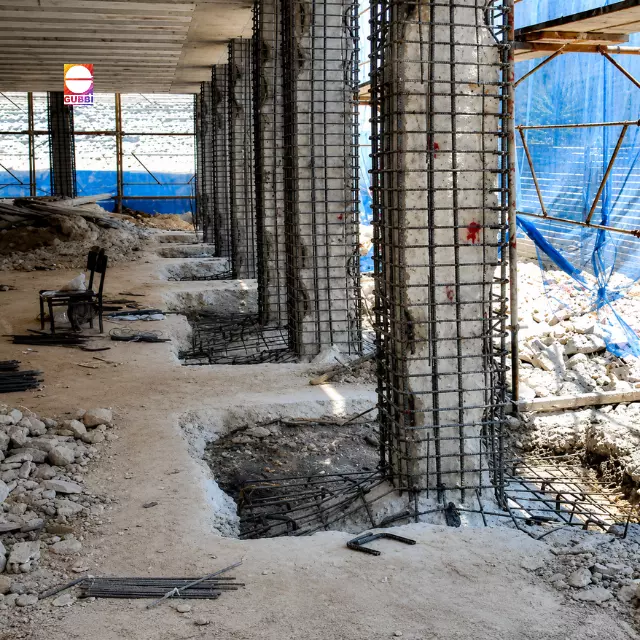
Concrete jacketing is one of the most widely used strengthening methods for columns, beams, and structural walls.
Additional reinforced concrete is placed around existing members to increase their strength, stiffness, and load-bearing capacity while improving overall structural stability.
This technique is commonly used for aging buildings, industrial facilities, bridges, and structures affected by corrosion or increased loading. Proper reinforcement detailing and quality concrete placement ensure long-lasting structural performance under demanding service conditions.
Carbon Fiber Strengthening
Carbon fiber strengthening has become a preferred solution due to its lightweight properties, exceptional strength, and minimal increase in structural dimensions. Carbon fiber sheets or laminates are bonded to concrete surfaces using specialized epoxy systems to enhance structural capacity.
This technique is especially suitable for strengthening beams, slabs, columns, and bridge components where additional dead load must be minimized. Carbon fiber installation is faster than traditional methods and causes minimal disruption to building operations.
Steel Jacketing
Steel jacketing involves enclosing existing structural members with steel plates or sections to improve load-carrying capacity and ductility.
The steel components work together with the existing structure, significantly enhancing resistance to compression, bending, and seismic forces.
This method is frequently adopted in industrial buildings, parking structures, bridges, and heavily loaded columns. Proper corrosion protection and precise fabrication contribute to the long-term durability of steel jacketing systems.
Foundation Strengthening
Weak or damaged foundations can affect the stability of the entire building. Foundation strengthening addresses settlement issues, increased structural loads, and soil-related problems by improving the load transfer mechanism between the structure and supporting ground.
Techniques such as underpinning, micro piles, foundation enlargement, pressure grouting, and soil stabilization help restore foundation performance while preventing further settlement and structural movement.
Benefits of Structural Strengthening Services
Structural strengthening offers numerous advantages beyond repairing visible damage. It extends the service life of buildings, improves structural safety, enhances durability, and supports changing occupancy requirements without requiring complete reconstruction.
Additional benefits include lower maintenance costs, improved resistance to earthquakes and environmental exposure, reduced operational disruptions, increased property value, compliance with updated building codes, and sustainable use of existing infrastructure.
These advantages make strengthening a cost-effective investment for long-term asset management.
Industries That Benefit from Structural Strengthening
Structural strengthening is widely used across various industries where safety and uninterrupted operations are critical.
Manufacturing plants, warehouses, hospitals, schools, airports, commercial complexes, residential buildings, bridges, ports, power plants, and industrial facilities all benefit from professionally designed strengthening solutions.
Many organizations choose strengthening over replacement because it minimizes operational downtime while preserving valuable infrastructure. Modern engineering techniques enable projects to be completed efficiently with minimal impact on daily activities.
Choosing the Right Structural Strengthening Contractors
Selecting experienced structural strengthening contractors plays a significant role in project success.
Contractors should possess expertise in structural evaluation, repair design, advanced strengthening techniques, quality control, and construction safety throughout every stage of execution.
Reliable contractors perform detailed inspections before recommending solutions rather than applying standard repair methods to every project.
Their engineering approach ensures that strengthening systems are customized to the building's condition, structural requirements, and long-term performance objectives.
Read: Retrofitting: The Smart Way to Extend Building Life
Mistakes to Avoid During Structural Repairs
One of the most common mistakes is delaying repairs after visible damage appears. Small cracks, corrosion, and moisture problems often worsen over time, increasing repair complexity and project costs. Timely intervention helps preserve structural integrity and prevents extensive deterioration.
Another mistake is selecting repair methods without proper structural investigation.
Every building has unique engineering requirements, making professional assessment essential before beginning strengthening work. Using unsuitable materials or techniques may reduce the effectiveness of repairs.
How Professional Engineering Makes a Difference
Professional engineering combines structural analysis, material science, modern strengthening technologies, and quality workmanship to deliver durable repair solutions.
Every strengthening project requires careful planning, precise execution, and continuous quality monitoring to achieve the desired structural performance.
Working with experienced engineering professionals ensures compliance with safety standards, optimized repair strategies, and reliable long-term performance.
Proper documentation, technical supervision, and quality assurance contribute to successful project completion while minimizing future maintenance requirements.
Why Timely Structural Strengthening Is a Smart Investment
Ignoring structural deterioration often results in larger repair expenses, operational disruptions, and increased safety risks.
Timely strengthening preserves existing assets, improves structural reliability, and allows buildings to continue serving their intended purpose for many additional years.
Organizations seeking dependable strengthening solutions should work with experienced engineering specialists capable of delivering technically sound repair strategies.
Gubbi Civil Engineers Limited has extensive expertise in structural rehabilitation and strengthening solutions designed to improve safety, durability, and long-term structural performance across a wide range of infrastructure and building projects.
Structural strengthening is an essential engineering solution for restoring the safety, durability, and functionality of aging or damaged buildings.
Instead of replacing valuable infrastructure, strengthening techniques enhance structural performance while reducing overall project costs and environmental impact.
As buildings continue to face increasing operational demands and environmental challenges, investing in professional structural strengthening services becomes a practical decision for protecting valuable assets.
Choosing qualified structural strengthening contractors ensures that every project is designed and executed with precision, helping structures remain safe, reliable, and serviceable for decades to come.