Shikshagraha: Building a Network of Changemakers in Education Through Youth Leadership
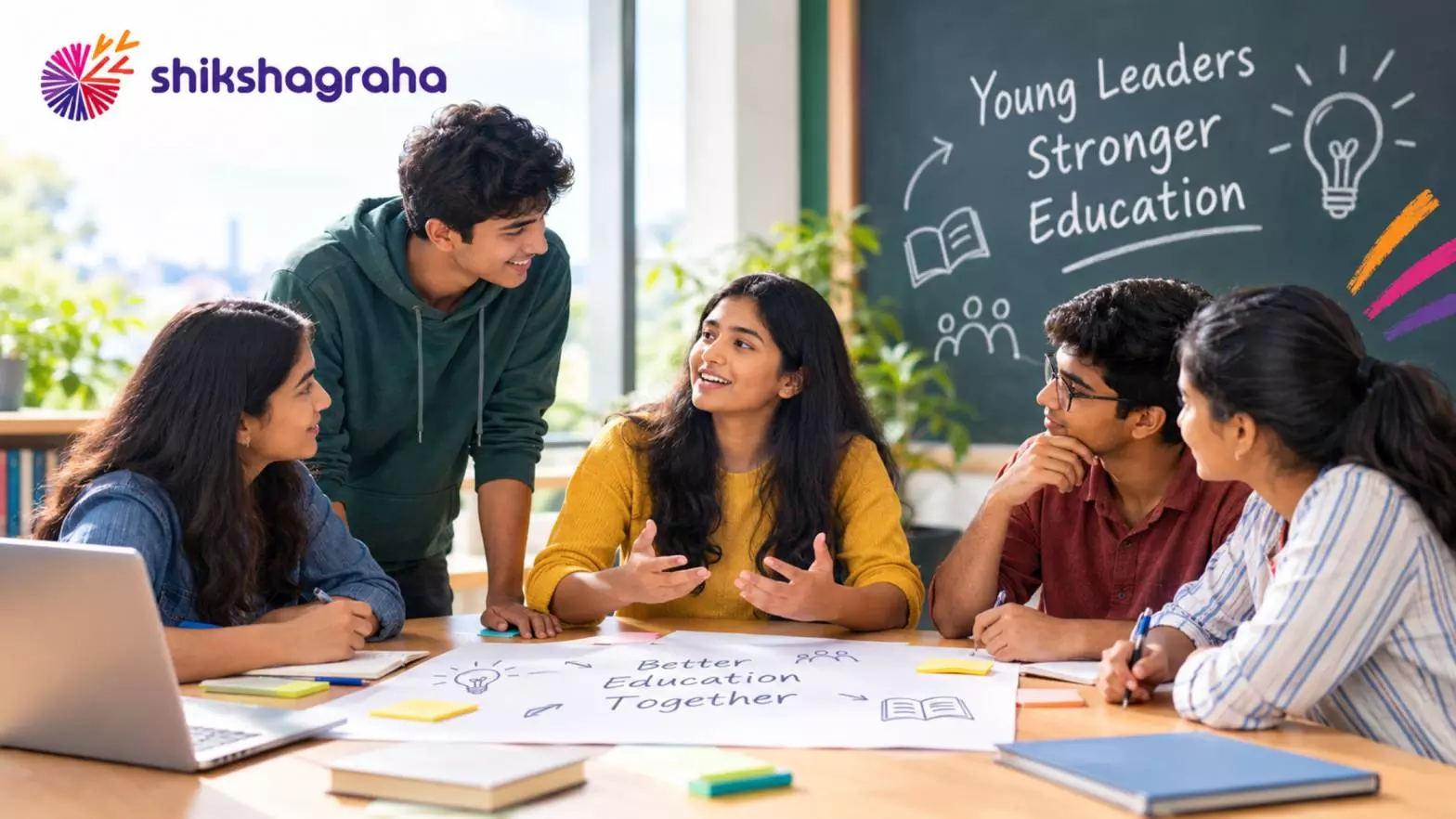
Young people have an important role to play in shaping the future of education. Their ideas, experiences, creativity, and willingness to take action can contribute to meaningful improvements in schools and communities.
When young people are given opportunities to understand challenges, collaborate with others, and take responsibility, they can become powerful changemakers in education.
Education transformation does not always begin with large-scale reforms. Sometimes, meaningful progress starts with small actions that respond to real needs within a school or community.
These micro improvements can create practical changes while encouraging people to participate in the larger process of educational transformation.
Through its youth leadership initiatives, Shikshagraha focuses on creating opportunities for young people to engage with education challenges, develop leadership capabilities, and contribute to collective action.
The approach recognises that sustainable transformation becomes stronger when individuals work together and learn from one another.
Changemakers in Education: Turning Youth Potential Into Action
Young people often have a unique perspective on the challenges faced by students, teachers, families, and communities. However, having ideas is only the beginning. Leadership opportunities can help young people understand how to turn those ideas into meaningful action.
Being changemakers in education involves more than participating in a programme or volunteering for a short period. It can involve identifying a challenge, understanding its causes, working with others, trying practical solutions, and learning from the results.
Youth leadership can encourage these capabilities through experiences such as:
- Understanding real challenges within education systems
- Developing communication and collaboration skills
- Learning to work with diverse groups of people
- Identifying opportunities for practical improvement
- Taking ownership of community-focused initiatives
- Reflecting on outcomes and learning from experience
This approach allows young people to move from being passive observers to active contributors. They can begin to see education not simply as a system they experience, but as a space where they can participate in creating positive change.
The Power of Micro Improvements in Education
Large educational challenges can sometimes appear overwhelming. Improving learning environments, strengthening school communities, and creating better opportunities for students require sustained effort. A practical way to approach these challenges is to identify smaller areas where action can begin.
Micro improvements are small, focused changes that can address specific needs.
For example, a youth leader might identify an opportunity to improve communication among students, encourage greater participation in a school activity, support peer learning, or help create awareness around an important educational issue.
These actions may appear small individually, but they can create valuable learning experiences and demonstrate that change is possible.
A micro-improvement approach can help young leaders:
- Start with challenges that are clearly understood
- Test practical ideas before expanding them
- Learn from successes and setbacks
- Build confidence through action
- Encourage others to participate
- Connect small improvements with broader educational goals
For Shikshagraha, this kind of thinking can help youth leadership remain grounded in real-world educational challenges. Rather than focusing only on theoretical discussions about change, young people can develop the confidence to identify opportunities and take meaningful steps.
Building a Network of Changemakers
Transformation becomes more sustainable when people do not work in isolation. Young leaders can learn significantly from peers who are working on different challenges, in different communities, and from different perspectives.
This is where a Network of changemakers becomes valuable.
A network can provide a space where young people share experiences, exchange ideas, discuss challenges, and learn from one another. Instead of viewing leadership as an individual journey, a collaborative network encourages people to understand the importance of collective action.
A strong network can support youth leaders by providing opportunities to:
- Share practical experiences and lessons
- Connect with people who have similar goals
- Learn from different approaches to educational challenges
- Collaborate on ideas and initiatives
- Develop stronger communication and leadership skills
- Build long-term relationships around education
The value of a Network of changemakers is not simply the number of people involved. Its strength comes from the quality of interaction, collaboration, and learning that happens between members.
When young people connect around a shared commitment to education, individual efforts can become part of a wider movement for positive change.
Shikshagraha and the Role of Youth Leadership
Shikshagraha works with the broader idea that improving education requires participation from different sections of society. Youth can be an important part of this collective effort because they bring energy, creativity, and fresh perspectives to conversations about education.
Youth leadership programmes can create an environment where participants are encouraged to ask questions, understand the education system, engage with communities, and explore practical solutions.
The journey can involve several stages:
Listen → Understand → Collaborate → Act → Learn → Improve
Listening helps young people understand the experiences of students, teachers, and communities. Understanding allows them to identify the root of a challenge.
Collaboration brings different perspectives together. Action provides an opportunity to test ideas. Learning helps participants understand what worked and what did not. Improvement then allows them to refine their approach.
This continuous cycle can help young leaders develop a more practical understanding of transformation.
Read: School ERP: A Complete Digital Solution for Smarter
From Individual Ideas to Collective Action
An individual idea can be valuable, but collaboration can give that idea greater reach and sustainability. When young people discuss their experiences with peers, they can discover new possibilities and approaches.
For example, one youth leader may have an idea for increasing student participation, while another may have experience in community engagement.
Bringing those perspectives together can create a more effective approach than either person might have developed independently.
This is why youth leadership should not focus only on developing individual skills. It can also focus on developing the ability to work with others.
Important qualities include:
- Empathy and active listening
- Problem-solving
- Teamwork
- Adaptability
- Communication
- Responsibility
- Reflective learning
- Commitment to collective goals
These capabilities can help young people contribute meaningfully to educational initiatives while also preparing them to participate in wider social and community development efforts.
Creating Sustainable Change Through Learning
Educational transformation is a long-term process. A single initiative may create an immediate improvement, but sustainable change requires continuous learning and participation.
Youth leadership can contribute to this process by helping young people understand that change does not always happen instantly. Some ideas may succeed, while others may need modification. The ability to reflect, adapt, and continue learning is therefore an important part of effective leadership.
When changemakers in education learn from both their achievements and challenges, they can develop a stronger understanding of how educational systems function. They can also become better equipped to work collaboratively with others.
Similarly, micro improvements can become learning opportunities. A small initiative can reveal a larger issue, generate a new idea, or encourage more people to participate.
Over time, these experiences can contribute to a culture where people are willing to identify problems and take constructive action rather than waiting for someone else to create change.
Strengthening a Culture of Educational Collaboration
Education belongs to the entire community. Teachers, students, parents, school leaders, civil society organisations, and young people all have different experiences and perspectives that can contribute to improvement.
A collaborative approach helps bring these perspectives together.
Through a Network of changemakers, young leaders can become part of conversations that extend beyond individual schools or initiatives. They can exchange lessons, understand different contexts, and discover ways to collaborate around shared educational priorities.
This collective approach can make youth leadership more meaningful. Instead of viewing young people simply as beneficiaries of education, it recognises them as participants who can contribute ideas, energy, and action.
Conclusion
Young people can play an important role in creating a more inclusive, responsive, and collaborative education system. By developing leadership skills and providing opportunities to take action, communities can support a new generation of changemakers in education.
The journey can begin with micro improvements—small, practical actions that respond to real challenges.
When these experiences are connected through a Network of changemakers, individual efforts can become opportunities for collective learning and collaboration.
Through its focus on youth leadership, Shikshagraha highlights the importance of enabling young people to understand education challenges, work with others, and contribute to meaningful change.
When young people are given the space to listen, learn, act, and improve, they can become active contributors to the future of education.
Educational transformation is rarely the result of one person or one action. It grows through participation, collaboration, learning, and sustained commitment.
By supporting young leaders and connecting them with others who share a commitment to education, communities can create the foundation for lasting and collective progress.