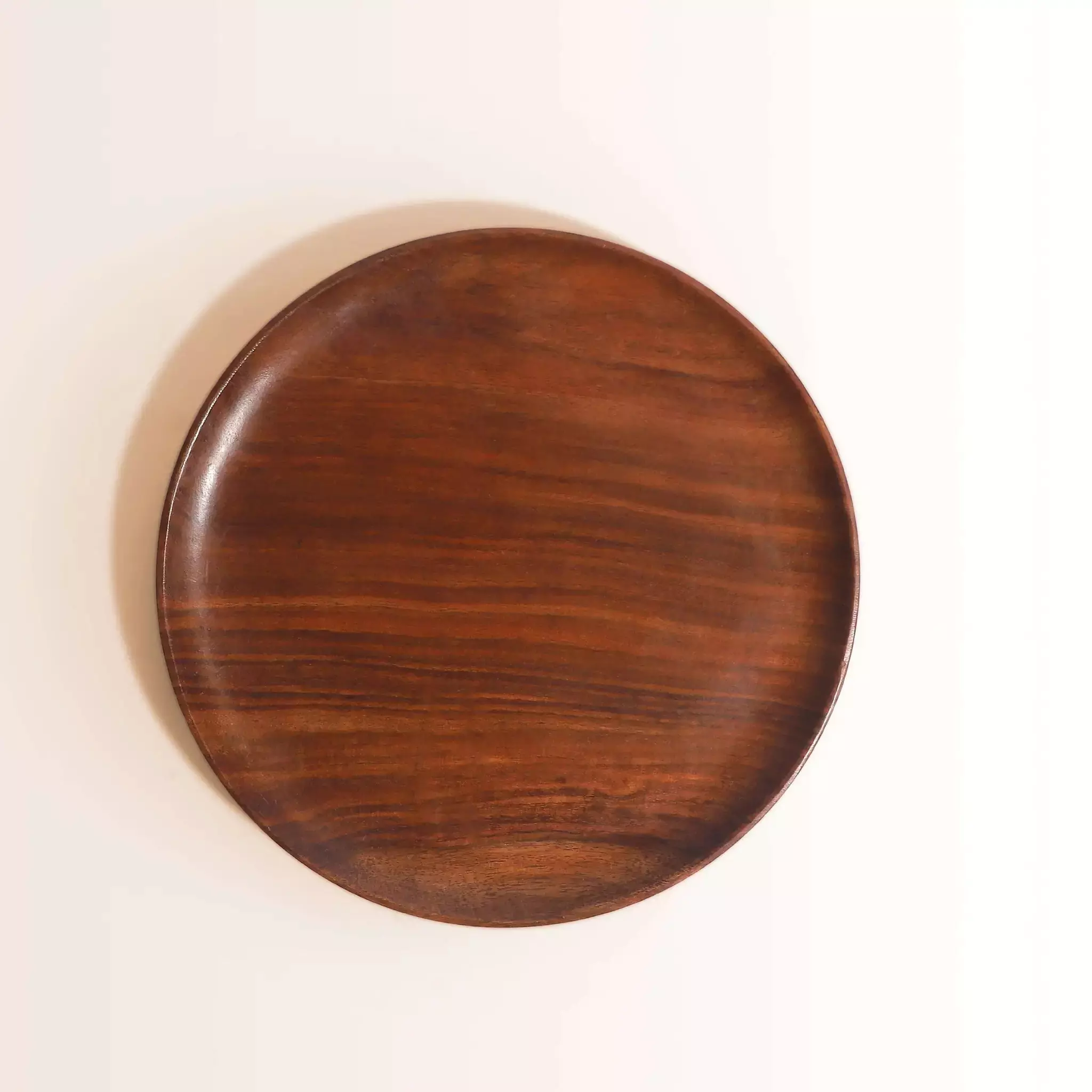
Serving Trays Through Time: From Royal Courts to Modern Kitchens
Serving trays, often seen today as simple household accessories, carry with them a long and fascinating history.
What may appear to be an ordinary object used for carrying tea, snacks, or décor items has, in fact, evolved through centuries of cultural shifts, artistic movements, and lifestyle changes.
From their origins in royal courts to their place in contemporary homes, serving trays have remained both functional and stylish, adapting seamlessly to the needs of each era.
A Glimpse Into History
The story of serving trays begins in ancient civilizations, where they were used primarily by the elite. In royal courts and aristocratic households, trays were not merely practical tools—they were symbols of status and sophistication.
Crafted from luxurious materials such as gold, silver, and intricately carved wood, these trays were often adorned with detailed engravings, gemstones, or ornate patterns.
They were used to present elaborate meals during grand feasts, emphasizing the wealth and refinement of the host.
In medieval and Renaissance periods, serving trays continued to play an important role in formal dining rituals. Nobility and royalty relied on servants to carry food and beverages using large, decorative trays.
These trays were designed not only for durability but also for visual impact, often reflecting the artistic styles of the time. Wood became a popular material due to its availability and versatility, allowing craftsmen to create both sturdy and beautifully carved pieces.
As trade routes expanded, cultural influences began to shape tray designs. For example, Eastern craftsmanship introduced lacquered finishes, intricate inlays, and vibrant colors, while
European styles leaned toward minimalism with subtle carvings and polished surfaces. This blending of styles contributed to the diversity of tray designs that we see even today.
The Rise of Wooden Trays
Among the many materials used throughout history, wood has remained one of the most enduring choices for serving trays. Wooden trays offered a perfect balance between durability and aesthetic appeal.
They were easier to craft than metal trays and could be shaped into a variety of forms, from simple rectangular designs to more elaborate, curved styles.
Different types of wood also brought unique characteristics to trays. Hardwoods like teak, oak, and walnut were favored for their strength and rich grain patterns, while softer woods allowed for intricate carvings and decorative detailing.
Over time, artisans began experimenting with finishes, stains, and polishing techniques, enhancing the natural beauty of the wood.
Wooden trays also became more accessible to the general population as craftsmanship spread beyond royal courts.
By the 18th and 19th centuries, they were commonly found in middle-class households, used for serving tea, breakfast, and small meals. Their practicality, combined with their timeless appeal, ensured their continued popularity across generations.
Modern Evolution
In today’s world, wooden trays have evolved far beyond their original purpose. While they still serve a practical role in carrying food and beverages, they have also become essential elements of home décor and lifestyle styling.
Modern trays are designed with versatility in mind, blending functionality with contemporary aesthetics.
One of the most noticeable changes is the variety of designs available. From minimalist wooden trays with clean lines to bold, artistic pieces with painted or printed surfaces, there is a tray to suit every taste.
Wooden trays, in particular, remain highly sought after due to their warmth, natural texture, and ability to complement a wide range of interior styles—from rustic and traditional to modern and Scandinavian.
Trays are now commonly used as decorative organizers. In living rooms, they can hold candles, books, and small plants, creating a curated and cohesive look.
In kitchens, they help keep countertops tidy by grouping spices, jars, or utensils. In bedrooms, trays are often used to organize perfumes, jewelry, or personal items, adding both convenience and elegance.
The rise of social media and lifestyle trends has further popularized the use of trays in styling. Concepts like “breakfast in bed” or “coffee table aesthetics” often feature beautifully arranged trays, showcasing their ability to elevate everyday moments.
This shift highlights how trays have moved beyond utility to become tools of self-expression and creativity.
Timeless Styles of Wooden Trays
Despite the ever-changing trends, certain styles of wooden trays have stood the test of time.
Classic rectangular trays with handles remain a staple due to their practicality and simplicity. Round trays, on the other hand, offer a softer, more decorative appeal and are often used as centerpieces.
Carved wooden trays reflect traditional craftsmanship, featuring intricate patterns and cultural motifs. These trays are often seen as statement pieces, adding character and heritage to a space.
Meanwhile, modern wooden trays tend to focus on clean finishes, smooth edges, and subtle grain patterns, appealing to those who prefer a minimalist look.
Another enduring style is the rustic tray, which embraces imperfections in the wood, such as knots and natural textures. These trays bring a sense of warmth and authenticity, making them ideal for cozy, farmhouse-inspired interiors.
Final Thoughts
Serving trays are a perfect example of how everyday objects can carry deep historical and cultural significance.
From their origins in royal courts, where they symbolized luxury and refinement, to their role in modern homes as versatile and stylish accessories, trays have continually evolved while retaining their core purpose.
What makes trays truly timeless is their ability to adapt. Whether used for serving, organizing, or decorating, they remain relevant in every era.
Wooden trays, in particular, embody this timelessness through their natural beauty, durability, and versatility.
In a world where trends come and go, serving trays stand out as enduring pieces that blend tradition with modern living. They remind us that even the simplest objects can have rich stories—and that good design never goes out of style.