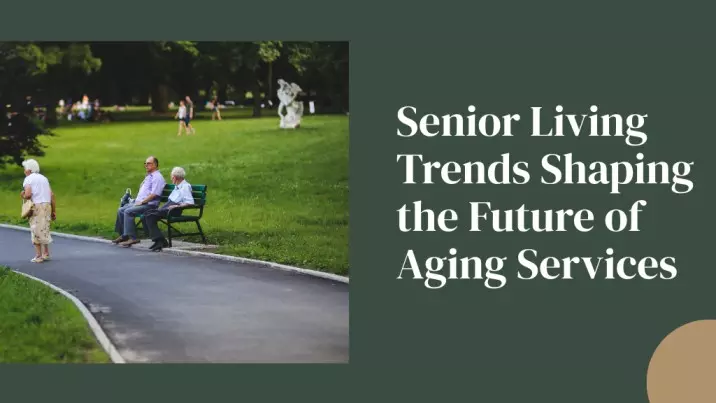
Senior Living Trends Shaping the Future of Aging Services
Growing older does not mean giving up comfort, purpose, or personal choice. Today, many seniors are looking for communities that support their lifestyles while providing access to services that can adapt to changing needs. Families also want reassurance that their loved ones are living in an environment that promotes well-being, connection, and dignity.
As expectations continue to evolve, senior living communities are adopting new approaches that focus on the individual and create more fulfilling living experiences. Here are some of the trends influencing the future of aging services.
Personalized Support Is Becoming More Important
Every resident has unique preferences, routines, and goals. Because of this, many senior living communities are moving away from one-size-fits-all approaches and focusing on individualized support.
For families exploring Personal Care in Pittsburgh, PA, communities that offer flexible care plans and personalized services are often a priority. Communities such as Allegheny Place are frequently considered by families looking for supportive services that can adapt to a resident's changing needs while respecting personal choice and dignity.
This individualized approach helps ensure that residents receive appropriate support while continuing to make decisions about their daily lives.
Wellness Extends Beyond Physical Health
Senior living communities are increasingly recognizing that wellness includes more than physical health alone. Emotional well-being, social connection, intellectual stimulation, and a sense of purpose all contribute to overall quality of life.
As a result, many communities offer wellness programs, educational opportunities, creative outlets, and social events that encourage residents to remain involved in the experiences they enjoy. By supporting the whole person, communities can help residents maintain a rewarding and meaningful lifestyle.
Technology Is Improving Daily Life
Technology continues to play a growing role in senior living. Digital tools can help residents stay connected with family members, access information more easily, and enjoy added convenience in their daily routines.
Many communities use technology to support communication, wellness monitoring, and resident engagement. Video calls, digital updates, reminder systems, and other tools can help residents remain connected to loved ones and community life.
When thoughtfully implemented, technology can complement personalized support while helping residents feel more informed and connected.
Social Connection Remains a Priority
Strong social relationships are an important part of overall well-being. Many senior living communities are placing increased emphasis on creating opportunities for meaningful interaction and relationship building.
Community events, volunteer opportunities, shared dining experiences, and life enrichment programs can help residents connect with neighbors who share similar interests. These interactions often foster a sense of belonging and help create a welcoming community atmosphere.
Providing residents with opportunities to build and maintain relationships continues to be a key focus across senior living communities.
Flexible Support Options Are in Demand
Many seniors and their families appreciate communities that can adjust services as needs change over time. Flexibility allows residents to receive the level of support that is appropriate for their circumstances without sacrificing personal choice.
Whether an individual benefits from occasional assistance or more regular support, adaptable services can help create a more comfortable and predictable experience. This flexibility can also make long-term planning easier for both residents and their families.
Conclusion
The future of senior living is centered on dignity, choice, and meaningful experiences. Communities are increasingly focusing on personalized support, whole-person wellness, technology, social connection, and flexible services that reflect the unique needs of each resident.
By embracing these approaches, senior living communities can create environments where residents feel valued, connected, and supported. As expectations continue to evolve, these trends will play an important role in helping seniors enjoy a lifestyle that reflects their goals, preferences, and overall well-being.