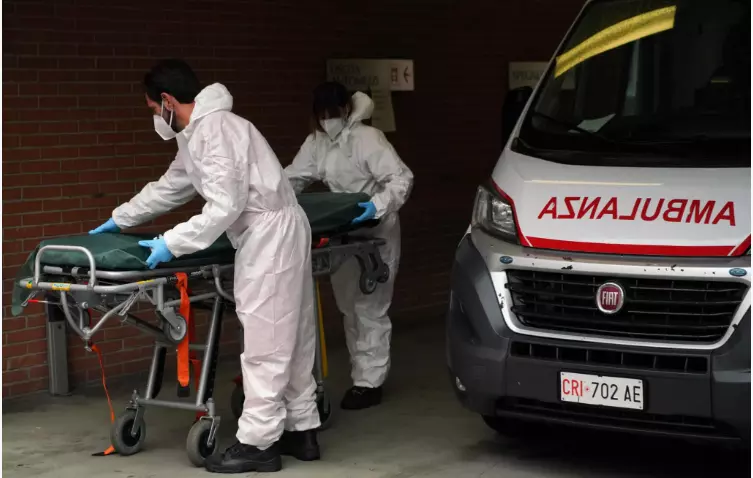
Sanitation in the Ambulance Bays: More than Transport Safety
The next thing which comes to the mind of the people when they talk of ambulance services is the importance of emergency services when it comes to taking the patients to the hospital. But what becomes of such ambulances when they get back to base is equally significant.
Staff safety, infection control, and quality of patient care are the three aspects that sanitation protocols in ambulance bays greatly affect. Ambulance is a temporary medical setting with each transport, and frequently deals with blood, bodily fluids, and airborne pathogens. That is why the sanitation in ambulance bays is not a subject of negotiation.
This article examines the importance of sanitation protocols, the procedures often entailed, new technologies at work, and how institutions such as Infina Health establish standards of safe and effective cleaning practices.
The Reason Why Sanitation Protocols in Ambulance Bays are Important
Ambulances carry patients who have different medical conditions-some of which can be contagious diseases. Ambulances would be an infection carrier unless carefully cleaned. The clean-up in the bay assists:
- Protect Patients: This provides every new patient with a clean and safe environment.
- Protect EMS Staff: Minimizes the threat of occupational exposures to pathogens.
- Prevent Cross-Contamination: Prevents the spread of bacteria or viruses within a patient.
- Enforce Control: Adheres to state, federal and healthcare infection control regulations.
Basic Components of Hygienic Regulations
- Vehicle Exterior Cleaning
It usually begins with cleaning the outside and disinfecting it. Dust, road debris and contaminants can be monitored in-house during calls. Another benefit of a sanitized exterior is that it creates an image of professionalism and trustworthiness.
- Interior Decontamination
Sanitation measures are the most extreme within the ambulance. Key steps include:
- Wipe down stretchers, rails, and handles using hospital quality disinfectants.
- Applying EPA-approved solutions to walls, floors, and medical cabinets.
Taking special care over high-touch surfaces such as door handles, switches, equipment surfaces.
- Cleaning Medical Equipment
Devices like stethoscopes, oxygen masks, suction units and monitors are thoroughly sanitized or, where possible, sterilized. Single-use products are recycled.
- Waste Disposal
Ambulance bays have safe disposal areas of sharps and biohazard wastes. These materials are placed into closed containers with labels and are then picked up to be destroyed.
- Air Quality Management
Other ambulance services use UV air purifiers or fogging machines to limit air pollution. Having clean air in the ambulance does not compromise patients that have respiratory problems.
High-tech in Ambulance Bay Cleaning
The EMS providers of the modern world are progressively using technology to make sure that disinfection is completed.
Innovations include:
- Electrostatic Sprayers: The disinfectants are sprayed all over.
- UV-C Light Systems: The advanced technology enables to kill bacteria without using the chemicals.
- Fogging Machines: With this the disinfectants could reach inaccessible places.
- Touchless Hand Hygiene Stations: Stations are mounted in bays to promote correct staff hand hygiene.
Through a combination of this and advanced systems with manual cleaning, ambulance providers can increase speed and effectiveness.
Employee Education and Standards
As good as the sanitation measures are, they rely on the individuals exercising them. Ambulance staff have specialized training which includes:
- Wearing PPE (personal protective equipment).
- Cleaning checklists.
- Waste management of polluted substances.
- Records to affirm cleaning activities.
There are regular audits and unannounced inspections to keep the protocols in check.
Difficulties with Sanitation of the Ambulance Bay
Ensuring high standards of hygiene is not an easy task:
- Time Pressure: Ambulances usually have to be able to go back to the service immediately after patients drop off.
- Resources Availability: The quality disinfectants and protective equipment should always be available.
- Emerging Threats: Novel pathogens (e.g., COVID-19) are a huge danger; therefore, frequent cleaning protocols are adopted.
Health care providers such as Infina Health respond to these issues by striking a balance between efficiency and completeness, without compromising safety.
Sanitation at Infina Health
In Infina Health, sanitation practices are considered an element of patient care. Their approach includes:
- Hard-copy checklists on each of the cleaning cycles.
- Periodic refreshment of the staff on infection prevention.
- Implementation of new disinfection equipment, including UV-C sanitizers or hi-tech fogging systems.
- Clear records of adherence to and beyond health regulations.
This commitment is in place to guarantee that all ambulances are ready to carry the next patient safely, without fear of being cross-contaminated.
The Bigger Picture: EMS Public Trust
Ambulance bays can be behind-the-scene, however, the work performed there directly relates to patient outcomes and public confidence. A clean vehicle is not an ambulance, but a professional and caring ambulance.
Whenever folks witness an Infina Health ambulance show up, they are not only receiving a fast mode of transportation to the closest hospital, but they are entering a mobile home that has been carefully cleaned to keep them safe.
Conclusion
Infection control, patient safety, and operational excellence in ambulance bays all require sanitation to be maintained. As the complexity of pathogens grows and the quality of healthcare improves, the ambulance providers are forced to continually change their cleaning procedures.
With trained staff, cutting-edge technology, and well-established procedures, some providers, such as Infina Health, guarantee the safety, sterility, and reliability of every ride.
FAQs
- Why are sanitary measures essential to ambulance bays?
Sanitation measures help avoid the spread of infection, protect patients and staff, as well as provide a safe environment to conduct emergency operations.
- Are the ambulance bays cleaned and sanitized on a regular basis?
Ambulance bays are often cleaned after each patient transfer and are well cleaned on a daily basis to suit healthcare standards.
- What antibiotics are used in cleaning ambulance bays?
EPA approved disinfectants, hospital grade products, and at times UV sanitizing equipment are used to kill bacteria and viruses.
- Who does the sanitation of ambulance bays?
It is the responsibility of EMS staff, sanitation teams or facility managers to ensure that they comply with infection-control guidelines.
- What is the benefit of clean ambulance bays?
A clean bay minimizes contact with pathogens thereby ensuring patients are moved in and out of ambulances in a healthy, clean environment