RSJ Pole Manufacturers: Ensuring Strength, Stability, and Safety in Power Lines
When people talk about power infrastructure, wires and transformers usually get all the attention. But look a little closer, and you’ll notice something quietly doing the heavy lifting—literally.
The poles. And this is where RSJ Pole Manufacturers come into the picture, shaping the backbone of power distribution systems in ways most of us rarely think about.
Steel poles built using rolled steel joists (RSJ) are not just standing structures. They carry tension, resist weather, and hold entire networks together. It sounds simple, but the reality behind their design and manufacturing is far from basic.
What exactly makes RSJ poles so important?
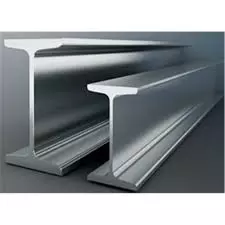
RSJ stands for Rolled Steel Joist. Sounds technical, but the idea is simple. These are steel sections shaped in a way that gives them strength without adding unnecessary weight. That balance matters.
Wooden poles were used earlier. Concrete came later. Both had their place. But RSJ poles changed things. They offered durability that didn’t fade quickly. Steel doesn’t crack like concrete or rot like wood. It stands firm.
And power lines need that kind of reliability.
Strength is not just about material
People often assume strength means thicker or heavier. Not really. In the case of RSJ poles, strength comes from design as much as from steel.
The I-shaped cross-section helps distribute load evenly. Wind pressure, cable weight, environmental stress—it all gets handled without bending too easily. This is not accidental. Manufacturers spend time refining dimensions, thickness, and finishing.
There’s a number often mentioned in the power sector. Transmission structures are expected to last 25 to 40 years depending on conditions. That’s a long commitment. You don’t achieve that with weak materials or careless manufacturing.
Stability in unpredictable conditions
Weather doesn’t follow rules. One day it’s calm, next day heavy wind or rain hits hard. Poles have to deal with all of it without failure.
RSJ poles are preferred in many regions because they perform better under stress. Their weight helps anchor them properly, and their structure resists bending.
Even in areas with high wind speeds or uneven terrain, they hold their position.
There’s also something else. Installation.
A well-made pole still needs proper installation to stay stable. Manufacturers often design poles keeping real-world conditions in mind. Soil type, load capacity, and height requirements all influence the final product.
So it’s not just about selling steel poles. It’s about understanding where they will stand.
Safety is always in the background
Nobody thinks about safety until something goes wrong. That’s just how it is.
In power transmission, safety is not optional. A failed pole doesn’t just interrupt electricity. It can damage property, harm people, and disrupt entire areas. That’s why RSJ pole manufacturers follow strict quality processes.
Galvanization, for example, plays a key role. Coating steel with zinc protects it from corrosion. Without it, even strong steel would weaken over time, especially in humid or coastal regions.
Then there are load tests. Good manufacturers don’t just produce and ship. They test. They check how much load a pole can handle, how it reacts under pressure, and whether it meets required standards.
Because one weak pole can create a chain reaction.
The manufacturing side of things
It’s easy to think manufacturing is just machines and raw materials. But there’s more going on.
From selecting the right grade of steel to cutting, shaping, drilling, and finishing—each step matters. Even small errors can affect performance later. That’s why experienced manufacturers rely on both machines and skilled workers.
There’s also consistency. One pole should match the next. If sizes vary or holes are misaligned, installation becomes a problem. And in large-scale power projects, even small delays create bigger issues.
Some manufacturers also customize poles based on project requirements. Different heights, load capacities, and environmental considerations lead to different designs. It’s not always a one-size-fits-all situation.
Why RSJ poles are still widely used
With new materials and technologies coming in, you’d expect older designs to fade away. But RSJ poles haven’t disappeared. In fact, their demand remains steady.
There’s a reason for that.
They strike a balance between cost, strength, and longevity. Not the cheapest option upfront, but they don’t need frequent replacement. Over time, that matters more.
Also, maintenance is simpler. Steel poles don’t require constant checking like wooden ones. And when properly treated, they resist corrosion for years.
For utility companies, that’s practical. Less maintenance means fewer interruptions.
A quiet but critical role
It’s interesting how some of the most important things stay unnoticed. RSJ poles don’t make headlines. They don’t get attention like new power plants or smart grids.
But remove them, and everything stops.
Power lines need support. Reliable support. And that’s exactly what these poles provide. Day after day, year after year.
You’ll see them on highways, in villages, near industrial areas. Different environments, same purpose. Holding the system together.
Read: Indoor Signage Dubai Boosts Business Visibility
The responsibility of manufacturers
Not all manufacturers operate at the same level. Some focus on volume, others on quality. But in this field, cutting corners doesn’t stay hidden for long.
A poorly made pole will fail. Maybe not immediately, but eventually.
That’s why experienced RSJ pole manufacturers invest in better materials, proper processes, and testing methods. They understand that what they produce isn’t just a product—it’s part of a larger infrastructure.
There’s also growing awareness around standards and certifications. Buyers now pay attention to quality marks, testing reports, and past project experience.
That shift is important. It pushes manufacturers to improve.
A small observation before ending
If you pass by a line of RSJ poles, they all look the same at first glance. Straight. Silent. Ordinary.
But each one carries weight—literally and otherwise.
Electricity flows because something is holding those lines in place. And that “something” is built with careful planning, solid engineering, and a lot of responsibility.
Not something most people think about. But maybe worth noticing next time you look up.