Root Canal Treatment: How Tooth Decay Leads to It
Tooth decay begins when plaque, a sticky film of bacteria, builds up on the surface of teeth. These bacteria feed on sugars from food and drinks, producing acids that gradually erode the enamel.
Over time, the enamel weakens, forming tiny holes known as cavities. When these cavities are left untreated, the decay can penetrate deeper into the tooth, reaching the dentin layer beneath the enamel.
The dentin is softer than enamel and more susceptible to bacterial damage, allowing the infection to progress toward the inner structures of the tooth.
The Role of the Tooth Pulp
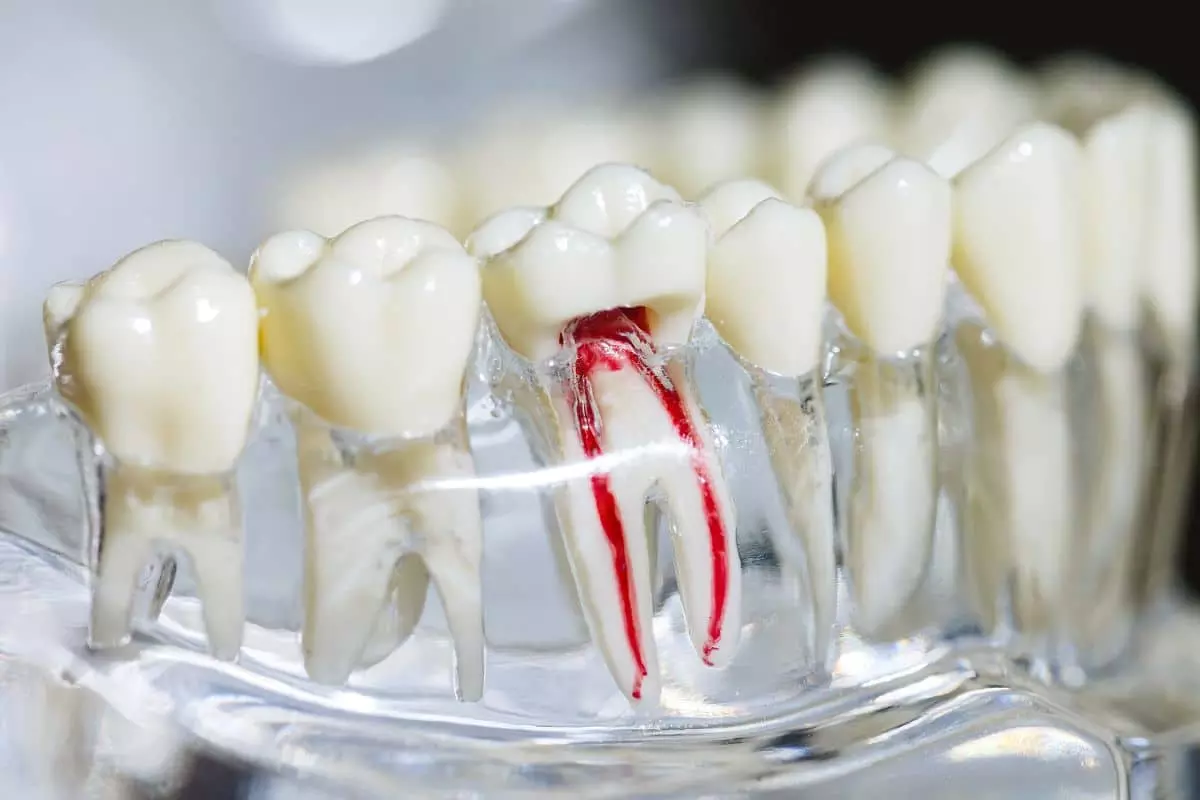
Inside every Root Canal Treatment in Dubai lies the pulp, a soft tissue containing nerves, blood vessels, and connective tissue. The pulp is essential for the growth and health of the tooth, as it provides nutrients and sensory function.
When tooth decay reaches the pulp, it causes inflammation and infection. This can lead to severe tooth pain and sensitivity, especially when exposed to hot, cold, or sweet substances. The infection in the pulp is the key reason why root canal treatment becomes necessary.
Signs That Tooth Decay May Require Root Canal Treatment
Identifying the progression of tooth decay is critical for determining if a root canal is needed. Common signs include persistent toothache, prolonged sensitivity, discoloration of the tooth, and swelling of surrounding gums.
Pain that intensifies when chewing or biting may also indicate that the decay has reached the pulp. In some cases, abscess formation occurs, creating a pocket of pus at the root tip, which can cause swelling and tenderness in the nearby area.
These symptoms highlight the importance of timely dental intervention.
The Process of Root Canal Treatment
Root canal treatment is designed to remove the infected pulp and restore the tooth’s structure and function.
The procedure begins with the removal of decayed tissue and careful cleaning of the interior of the tooth. The dentist then shapes the root canals to prepare them for filling.
Once the canals are cleaned and disinfected, they are sealed to prevent further bacterial invasion. After sealing, the tooth is typically restored with a filling or crown to ensure its strength and protection. This process preserves the natural tooth while eliminating infection.
How Tooth Decay Progresses to the Need for a Root Canal
The progression from minor decay to the need for a root canal usually occurs over time. Initially, decay affects only the enamel, causing small cavities that may go unnoticed.
Without intervention, the bacteria reach the dentin and create more significant damage. As decay approaches the pulp, the risk of infection increases.
The pulp tissue reacts to bacterial invasion by inflaming, which can cause intense pain and sensitivity. Once the pulp is infected or damaged beyond repair, root canal treatment becomes the most effective way to save the tooth and prevent further complications.
Factors That Accelerate Decay
Several factors can accelerate the progression of tooth decay and increase the likelihood of needing a root canal. Poor oral hygiene allows plaque and bacteria to accumulate, increasing acid production.
Frequent consumption of sugary or acidic foods and drinks contributes to enamel erosion. Existing dental restorations, such as fillings, can sometimes fail, creating gaps where bacteria can thrive.
Additionally, certain medical conditions, like dry mouth, reduce saliva production, which normally helps neutralize acids and wash away bacteria. Recognizing these factors can help in preventing decay from advancing to the pulp.
Preventing the Need for Root Canal Treatment
While Root Canal is effective, prevention is always preferable. Regular dental check-ups allow early detection of cavities before they reach the pulp.
Daily brushing and flossing help remove plaque and reduce bacterial growth. Limiting sugary and acidic foods can protect enamel and slow decay.
Maintaining overall oral hygiene and addressing dental issues promptly reduces the risk of severe decay that requires invasive treatment.
Read: Root Canal Treatment in Panchkula: What to Expect
FAQs
What causes tooth decay to worsen so quickly?
Tooth decay worsens when plaque accumulates, bacteria multiply, and acid production continues unchecked. Delayed dental visits and poor oral hygiene allow cavities to progress deeper into the tooth.
Can a tooth be saved if the decay has reached the pulp?
Yes, root canal treatment is specifically designed to remove infected pulp while preserving the natural tooth. This allows the tooth to remain functional and prevents further infection.
Is root canal treatment painful?
Modern techniques and anesthesia make the procedure comfortable. The pain associated with the infected tooth is usually greater than the discomfort during treatment.
How long does the process take?
The duration depends on the extent of decay and the complexity of the tooth’s root canals. Some treatments can be completed in a single visit, while others may require multiple appointments.
Can root canal treatment prevent tooth loss?
Root canal treatment removes infection, strengthens the tooth, and restores function. By preserving the natural tooth, it prevents the need for extraction in most cases.
Conclusion
Tooth decay is a progressive condition that can ultimately affect the pulp and necessitate Root Canal Treatment Dubai.
Understanding how decay develops and recognizing the signs of pulp infection are essential for timely intervention. Root canal treatment effectively eliminates infection, preserves the natural tooth, and restores oral health.
Preventive measures, including consistent oral hygiene and early dental care, play a key role in reducing the likelihood of severe decay.
By addressing tooth decay promptly, individuals can maintain healthy teeth and avoid more invasive treatments in the future.