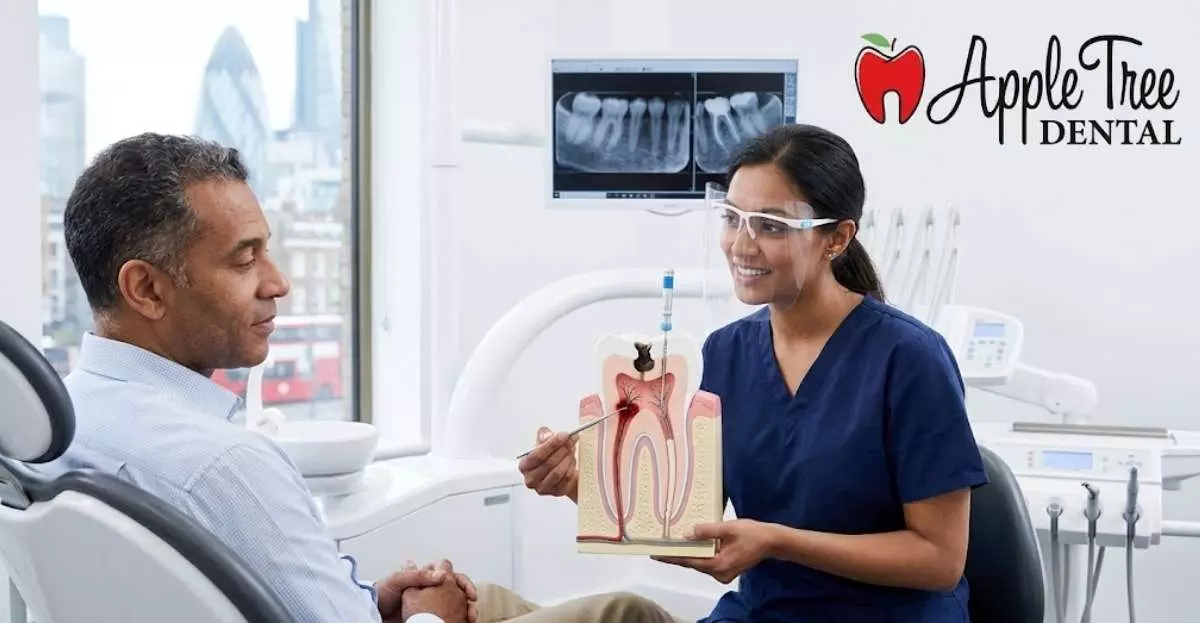
Root Canal Dental London: Understanding Treatment and When You May Need It
Tooth pain can make everyday activities difficult. A severe toothache, prolonged sensitivity to hot or cold foods, or swelling around the gums may indicate a deeper dental issue. In many cases, dentists recommend Root canal dental London treatment to remove infection inside a tooth while preserving the natural tooth structure.
Root canal therapy is a commonly performed dental procedure designed to treat infection in the pulp of a tooth. Patients searching for an endodontist London specialist often want a reliable treatment that relieves discomfort and protects long-term oral health.
In this guide, we explain how root canal treatment works, when it may be necessary, and what patients in London, Ontario should know before undergoing the procedure.
What Is Root Canal Treatment?
Root canal therapy is a dental procedure used to remove infected or inflamed pulp from inside a tooth. The pulp contains nerves, connective tissue, and blood vessels that support tooth development.
When bacteria enter the pulp, infection may occur. If left untreated, the infection can spread and lead to abscess formation or tooth loss.
During Root canal dental London treatment, the dentist or endodontist London specialist:
- removes the infected pulp
- cleans and disinfects the root canals
- seals the tooth to prevent reinfection
According to the American Dental Association (ADA), root canal therapy allows dentists to preserve natural teeth that might otherwise require extraction.
Preserving the natural tooth helps maintain proper chewing function and supports long-term oral health.
Why Root Canal Treatment May Be Needed
Tooth pulp infection can develop when bacteria reach the inner layer of the tooth.
Common Causes of Pulp Infection
- deep tooth decay
- cracked or fractured teeth
- repeated dental procedures on the same tooth
- trauma to the tooth
The Canadian Dental Association (CDA) notes that untreated dental infections can lead to more serious oral health complications. Early diagnosis and treatment help prevent further damage.
Signs You May Need Root Canal Treatment
In some cases, infected teeth may not cause immediate symptoms. However, many patients experience noticeable warning signs.
Common symptoms include:
- persistent tooth pain
- sensitivity to hot or cold temperatures
- swollen or tender gums
- tooth discoloration
- discomfort when chewing
If these symptoms appear, consulting a dentist experienced in Root canal dental London treatment is recommended.
Early treatment often improves outcomes and prevents complications.
The Root Canal Procedure Step by Step
Understanding the treatment process can help patients feel more comfortable about root canal therapy.
Dental Examination
The dentist begins with a comprehensive examination of the affected tooth. Dental X-rays help evaluate the extent of infection.
Local Anesthesia
Local anesthesia is used to ensure patient comfort throughout the procedure.
Cleaning the Root Canals
The dentist creates a small opening in the tooth and removes the infected pulp tissue. The root canals are then carefully cleaned and disinfected.
Filling and Sealing
The cleaned canals are filled with a biocompatible material and sealed to prevent bacteria from reentering the tooth.
Final Restoration
In many cases, a dental crown is placed on the treated tooth to restore strength and functionality.
Complex cases may be referred to an endodontist London specialist with advanced training in root canal therapy.
Root Canal vs Tooth Extraction
When a tooth becomes infected, patients sometimes wonder whether extraction is the better option.
Advantages of Root Canal Treatment
- preserves the natural tooth
- maintains chewing ability
- prevents nearby teeth from shifting
- protects jawbone structure
Considerations with Tooth Extraction
Removing a tooth often requires replacement options such as dental implants or bridges to restore function.
The American Association of Endodontists and ADA both emphasize preserving natural teeth whenever possible.
Root Canal Cost in London Ontario
The cost of Root canal dental London treatment can vary depending on several factors:
- severity of infection
- number of root canals in the tooth
- need for additional restoration such as a crown
During a consultation, the dentist evaluates the tooth and provides a personalized treatment plan with estimated costs.
Many dental clinics offer payment options to help patients manage treatment expenses.
Read: What Are Dental Implants: How They Restore Your Smile?
Caring for Your Tooth After a Root Canal
After root canal treatment, proper oral hygiene helps protect the treated tooth.
Dentists typically recommend:
- brushing twice daily using fluoride toothpaste
- flossing every day
- avoiding hard foods immediately after treatment
- attending regular dental checkups
With proper care, a tooth treated through Root canal dental London procedures can remain functional for many years.
Finding an Endodontist in London Ontario
Choosing the right dental professional is important when seeking root canal treatment.
Patients searching for an endodontist London specialist should consider:
- experience with root canal procedures
- advanced diagnostic technology
- patient-focused care
- clear treatment communication
A thorough consultation helps determine the most appropriate treatment plan.
Why Patients Choose Local Dental Care in London
Local dental clinics provide convenient access to treatment and follow-up care. For residents of London, Ontario, working with a nearby dental provider allows for consistent monitoring and preventive care.
Patients seeking Root canal dental London services often benefit from dental practices that prioritize patient comfort, modern technology, and evidence-based treatment methods.
Conclusion
Tooth infections can cause significant discomfort and may lead to serious oral health problems if left untreated. Root canal dental London treatment offers a reliable way to remove infection while preserving the natural tooth.
By cleaning and sealing the infected tooth, root canal therapy helps relieve pain and restore function. Patients experiencing symptoms such as persistent tooth pain or gum swelling should seek dental care promptly.
For individuals looking for an experienced endodontist London specialist, early treatment can protect oral health and prevent more complex dental problems in the future.
Frequently Asked Questions
Is root canal treatment painful?
Modern root canal procedures are performed using local anesthesia. Most patients report that the experience feels similar to receiving a dental filling.
How long does a root canal take?
Many root canal procedures can be completed in one or two dental visits, depending on the complexity of the case.
Can a tooth last after a root canal?
With proper care and restoration, a tooth treated with root canal therapy can remain functional for many years.
When should I see an endodontist?
Patients may be referred to an endodontist London specialist when the infection is severe or involves complex root canal structures.
Can root canal treatment prevent tooth extraction?
Yes. Root canal therapy allows dentists to remove infection while preserving the natural tooth.
References
American Dental Association – Root Canal Treatment
Canadian Dental Association – Dental Infection and Oral Health
Health Canada – Oral Health and Overall Health
About the Author
This article was written by the clinical team at Apple Tree Dental, a trusted family dentistry practice serving London, Ontario. Apple Tree Dental provides comprehensive dental care for patients of all ages — from children’s first visits to senior oral health management. Our team is committed to evidence-based care, patient education, and making every visit as comfortable as possible for the whole family.