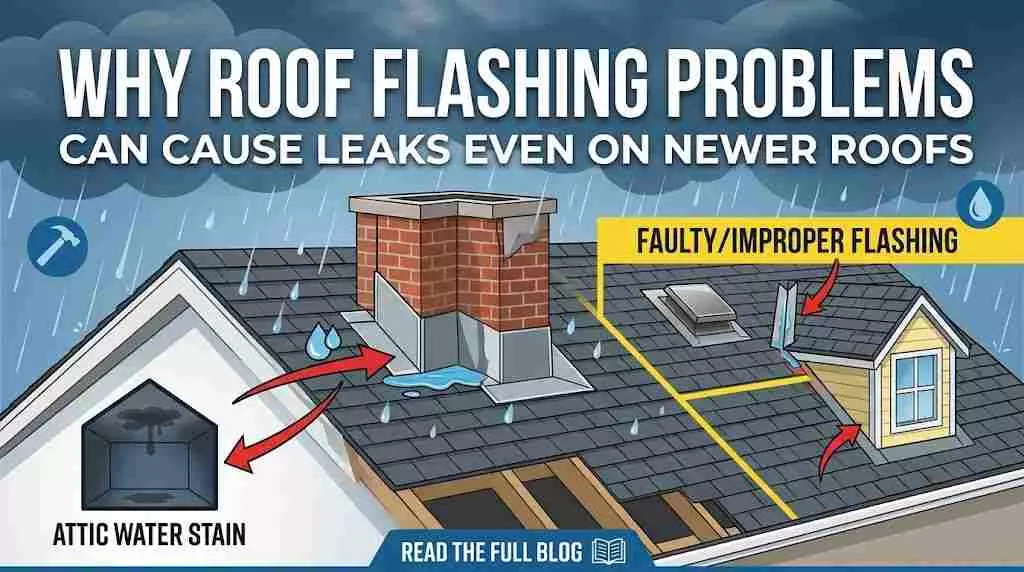
Why Roof Flashing Problems Can Cause Leaks Even on Newer Roofs
A new roof gives homeowners peace of mind. With fresh shingles, updated materials, and professional installation, it is easy to assume that leaks will not be a concern for many years.
However, even a relatively new roof can develop water leaks when one important component is overlooked: roof flashing.
Flashing is designed to protect the vulnerable areas where the roof meets walls, chimneys, vents, skylights, and other structures. When it fails, water can enter the home even if the surrounding shingles appear to be in excellent condition.
Understanding the importance of flashing can help homeowners recognize potential roofing problems before they lead to expensive repairs.
If you are concerned about water entering your home, consulting experienced Roofing Contractors Bronxville can help you identify possible causes and determine whether your flashing needs repair.
Knowing how flashing works, why it sometimes fails, and what warning signs to look for can make it easier to protect your roof and the interior of your property.
What Is Roof Flashing and Why Is It Important?
Roof flashing is a protective material installed around areas where water could otherwise penetrate the roofing system. It is commonly made from metal, such as aluminum, galvanized steel, or copper, although certain roofing systems use other compatible materials.
Unlike shingles, which cover large sections of the roof, flashing protects the joints and transitions where water is more likely to find a way inside.
Common locations where flashing is installed include:
- Chimneys: Protects the joints between the chimney and the roof.
- Roof valleys: Directs rainwater toward the gutters where two roof slopes meet.
- Skylights: Seals the perimeter around the skylight frame.
- Plumbing vents: Prevents water from entering around pipes that extend through the roof.
- Roof-to-wall connections: Protects areas where a sloped roof meets a vertical wall.
- Dormers: Helps prevent water from entering around these raised roof structures.
When flashing is installed correctly, it works with the rest of the roofing system to direct water away from vulnerable openings. If a section is poorly fitted, damaged, or improperly sealed, water may find a path beneath the roofing materials.
Why Flashing Problems Can Occur on Newer Roofs
It may seem surprising that a recently installed roof can leak, but the age of the shingles does not guarantee that every component has been installed correctly. Several factors can contribute to early flashing problems.
1. Improper Flashing Installation
Installation mistakes are one of the main reasons flashing can fail on a newer roof.
Flashing must be positioned and layered correctly so that water flows down and away from joints rather than behind them. For example, step flashing along a roof-to-wall connection must be integrated with the shingles and the wall's water-resistive barrier.
If flashing is installed in the wrong sequence, left exposed in an unsuitable location, or secured incorrectly, water may penetrate the roofing system.
Even a small installation error can become a significant issue during heavy rainfall or repeated storms. A roof may look neat from the ground while hidden joints remain vulnerable to moisture.
2. Inadequate Sealing Around Roof Penetrations
Skylights, plumbing vents, exhaust pipes, and chimneys create openings in the roof. These areas require carefully installed flashing and compatible sealing materials.
Sometimes, installers rely too heavily on roofing cement or caulk instead of using the correct flashing design. Sealants can deteriorate over time because of sunlight, temperature changes, and exposure to moisture.
Sealant is useful in appropriate applications, but it should not replace a properly designed flashing system. If the underlying flashing is poorly installed, adding more caulk may provide only temporary relief.
3. Using the Wrong Flashing Materials
Not all flashing materials are suitable for every roof.
For example, certain metals can corrode when placed in direct contact with incompatible materials. Some products may also be unsuitable for a roof's slope, local climate, or roofing material.
Using low-quality flashing or products that are not compatible with the surrounding components can increase the risk of premature deterioration.
Homeowners should ask their roofing contractor which flashing materials are appropriate for their roofing system and whether the products meet the manufacturer's installation requirements.
4. Wind and Severe Weather Damage
A newer roof is not immune to severe weather. Strong winds, hail, driving rain, and heavy snow can put pressure on flashing and other roofing components.
Wind can lift exposed flashing edges or loosen poorly secured sections. Hail may dent metal flashing, while wind-driven rain can force moisture into vulnerable joints.
Ice and snow can also contribute to leaks, particularly when drainage is obstructed or ice dams develop along roof edges.
Weather-related damage does not always produce obvious signs from the outside. A small separation around a chimney or vent may allow water inside without noticeably affecting the surrounding shingles.
5. Building Movement and Temperature Changes
Roofs expand and contract as temperatures rise and fall. Different materials may respond to these changes at different rates.
For example, metal flashing and the surrounding wood or masonry can move differently as temperatures fluctuate. Over time, repeated movement may place stress on fasteners, seams, and sealant joints.
Newer homes can also experience minor settling, which may affect connections between roofing components and adjacent walls.
Proper installation accounts for normal movement by using suitable materials, fastening methods, and flashing details. Without these precautions, joints may become vulnerable earlier than expected.
Read: The Top Roofing Companies in Beaverton Oregon
Warning Signs of Roof Flashing Problems
Flashing problems are not always easy to spot from the ground, but homeowners can watch for several warning signs inside and outside the house.
Water Stains on Ceilings and Walls
Brown or yellow stains near ceilings, upper walls, fireplaces, or skylights may indicate water intrusion.
These marks can appear long after water first enters the roof. Moisture may travel along rafters, insulation, or other building materials before becoming visible inside the home.
Although flashing is one possible cause, roof leaks can also result from damaged shingles, blocked drainage, or condensation. A professional inspection can help distinguish between these issues.
Dampness Around Chimneys or Skylights
Pay attention to musty odors, peeling paint, damp drywall, or discolored trim around skylights and chimneys.
These areas are common locations for flashing-related leaks because they involve transitions between different building materials.
If dampness repeatedly returns after rain, the underlying cause should be investigated rather than covered with paint or interior sealant.
Loose or Bent Metal Flashing
From a safe location, look for metal edges that appear lifted, bent, separated, or visibly corroded.
Do not climb onto the roof to inspect these areas yourself, especially during wet or windy conditions. A roofing professional can examine the flashing safely and determine whether repair or replacement is necessary.
Leaks That Appear Only During Certain Storms
Some flashing problems become noticeable only during heavy rain, strong winds, or particular wind directions.
For instance, a joint may remain dry during light rainfall but allow water inside when rain is driven sideways against a wall or chimney.
The timing of a leak can provide useful clues, so record when it occurs and which areas of the house are affected.
How Roofing Professionals Diagnose Flashing Leaks
Finding the actual source of a roof leak requires more than looking for damaged shingles. Water can enter at one location and travel along the roof structure before appearing somewhere else.
A thorough inspection may include examining chimney flashing, roof valleys, skylight connections, plumbing vent boots, wall transitions, and nearby roofing materials.
Professionals may also check whether flashing is correctly layered beneath shingles, whether fasteners have loosened, and whether sealants or metal joints show signs of deterioration.
Homeowners seeking help from Roofing Contractors Montrose can ask for a clear explanation of the suspected leak source, the recommended repair, and whether other components may have contributed to the problem.
A useful inspection should distinguish between a localized flashing defect and a broader roofing issue. This helps prevent unnecessary repairs and reduces the chance that the same leak will return.
How to Prevent Flashing Problems on a New Roof
Although no roof is completely immune to damage, a few practical steps can reduce the risk of flashing-related leaks.
Choose Proper Installation Over Appearance Alone
A roof that looks attractive from the street is not necessarily watertight. When hiring a contractor, ask about their experience with flashing details, installation methods, and manufacturer requirements.
Request information about how chimneys, skylights, valleys, and roof-to-wall transitions will be protected.
Schedule Periodic Roof Inspections
Routine inspections can identify loose flashing, deteriorating sealants, damaged vent boots, and other issues before water reaches the interior.
A professional inspection after a severe storm can be particularly useful if your property has experienced strong winds, hail, or unusually heavy rainfall.
Keep Gutters and Drainage Areas Clear
Blocked gutters and downspouts can cause water to accumulate near roof edges. While this does not automatically mean flashing will fail, poor drainage can increase moisture exposure and contribute to related roofing problems.
Remove leaves and debris safely, and have drainage issues corrected when necessary.
Address Small Leaks Promptly
Do not ignore a minor water stain simply because the roof is relatively new. Small leaks can damage insulation, wood framing, drywall, and other building materials.
If you notice active leaking, place a container beneath the drip if it is safe to do so, move belongings away from the affected area, and contact a roofing professional. Avoid touching wet electrical fixtures or entering areas where the ceiling appears to be sagging.
Understand Your Roofing Warranty
Review your roofing documentation to understand what is covered and which repairs may affect warranty protection.
Material warranties and workmanship warranties are not necessarily the same. A shingle manufacturer's warranty may not cover improper flashing installation, and coverage depends on the specific terms.
Before arranging repairs, contact the original installer when appropriate and document the issue with photographs taken from safe locations.
Can Roof Flashing Be Repaired Without Replacing the Entire Roof?
In many cases, yes. If the shingles and the rest of the roofing system remain in good condition, a flashing problem may be resolved through a localized repair.
Depending on the cause, the contractor may need to reseal a suitable joint, refasten loose metal, replace damaged flashing, or remove nearby shingles to reinstall the flashing correctly.
However, simply applying caulk over a leaking joint is not always a reliable solution. If flashing has been installed incorrectly or has deteriorated significantly, replacement may be the more durable option.
If water has damaged the roof decking or surrounding structure, additional repairs may also be necessary.
The best solution depends on the location of the leak, the condition of the materials, and the way the roofing system was originally installed. A proper diagnosis helps ensure that the repair addresses the underlying problem rather than merely hiding its symptoms.
Conclusion
Roof flashing plays a vital role in protecting your home from water intrusion, even when the roof itself is relatively new. Improper installation, incompatible materials, weather damage, temperature changes, and deteriorating seals can all create openings that allow moisture inside.
By recognizing warning signs, scheduling inspections, and addressing leaks promptly, homeowners can reduce the risk of expensive structural damage and help their roofing systems perform as intended.
Regular home maintenance also involves caring for other exterior surfaces, and coordinating roofing repairs with trusted professionals such as JLL Painting can help homeowners maintain and protect their properties over time.