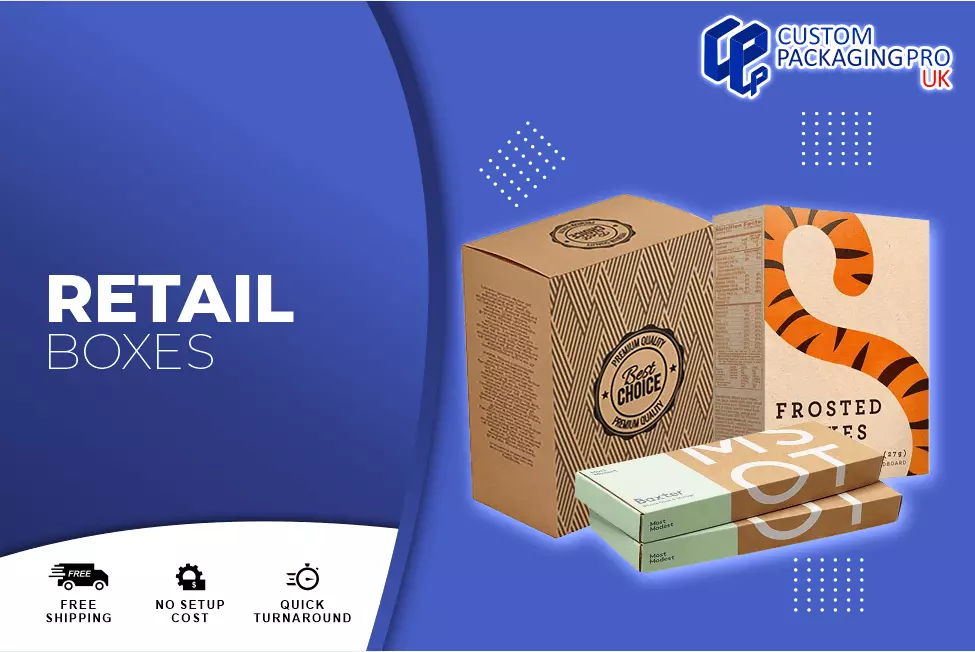
Retail Boxes: Elevating Packaging to a New Standard
These boxes are more than just containers. They function as the front of the product, and play essential roles in protection, branding, and engagement. With the marketplace for retail becoming more competitive, packaging is not only functional but also an essential element for drawing attention, creating confidence, and boosting sales.
This article explains the role that Retail Boxes play in the success of your product and how the design, materials, and sustainability are crucial to crafting exceptional packaging solutions.
Protecting Products for Safe Delivery
In essence, retail boxes are made to shield products from harm in handling, shipping, and storage. It doesn't matter if it's delicate tech gadgets, delicate cosmetics, or other perishable items; durable and well-constructed boxes will ensure that products arrive in excellent condition.
Materials such as corrugated paper, as well as rigid paperboard and polymer laminates, are often utilised for their long-lasting durability. For instance, electronics typically come in custom-fitted foam inserts inside Custom Retail Boxes in order to protect them from the possibility of damage from impact, and food items are stored in containers that are resistant to moisture, which helps maintain their freshness.
Inadequately protecting the product not only leads to higher returns but also ruins the reputation of the brand. So, investing in premium products is crucial to ensure customer trust and satisfaction.
Enhancing Brand Identity
Retail boxes are among the first interactions that a consumer has with the brand. A well-designed packaging design conveys the brand's values, aesthetics, and quality, which can influence purchasing decisions, as well as create an unforgettable impression.
For example, companies such as Apple use sleek, minimalist designs for their Flip Top Boxes with subtle logos and premium designs to show modernity and sophistication. However, colourful and playful designs employed by brands such as Glossier draw younger, more active viewers.
Customised retail boxes permit companies to embed their branding into the packaging. This could include taglines, logos and colour schemes, as well as bespoke images and even texture. Unboxing experiences, such as magnetic closures and intricately folded packaging, create excitement and increase the brand's image and increase its loyalty. For companies, every aspect of the retail box offers the chance to stand out in the crowded market.
Driving Consumer Purchasing Decisions
Packaging plays an important role in consumer behaviour. A striking retail box could draw attention on a busy shelf or bring clicks to an online product catalogue. Beyond appearance, clearly and concise labelling - describing advantages of ingredients, benefits, or the product's details- gives consumers confidence when they purchase.
For instance, transparent window panels on Baseball Cap Boxes for items like cosmetics or baked goods allow customers to look at the product inside, thereby establishing confidence. Additionally, interactive QR codes on the packaging could provide additional information, like videos of demonstrations, testimonials or product information, improving the shopping experience.
In the end, well-designed retail boxes can bridge the gap between the product and the target market. Through combining aesthetic appeal with informational elements, they can increase curiosity and increase conversion.
The Role of Sustainability in Retail Packaging
Sustainability is now a significant element in packaging, and eco-conscious shoppers are looking for brands with a focus on the environment. Packaging made of biodegradable, recyclable or compostable materials is an environmentally friendly alternative to traditional packaging. Making use of materials such as Kraft paper and recycled cardboard not only reduces waste but also enhances the image of the brand among eco-conscious customers.
A lot of companies are using innovative techniques to lessen their impact on the environment. For instance, some companies employ water-based inks and adhesives to ensure that their retail packaging can be recycled easily. Some have embraced zero-waste strategies with packaging that is lightweight, which helps limit the use of material while maintaining the product's protection.
An interesting trend is the increase in recyclable packaging, in which Incense Boxes are used as storage containers and decor. For instance, top jewellery manufacturers are incorporating sturdy multi-purpose boxes in their collections, which provide lasting value while decreasing the amount of waste.
Innovative Trends in Retail Box Designs
The packaging industry is overflowing with imagination, utilising materials and designs that offer consumers a higher value. Smart packaging is one technology that integrates digital technologies into boxes for retail. NFC tags, for instance, can be used to authenticate the product or gain access to customised digital experiences by simply tapping their smartphones.
Another trend is the sleek, collapsible and stylish box designs that make it easy to store and lower the cost of shipping. This is particularly useful when it comes to subscription services, since the compact packaging can be paired with practicality and sustainable practises. Retailers are also trying out tangible elements, like embossing in foil or textured texture to make their boxes more appealing and extravagant.
Subscription Boxes: Redefining Packaging, Experience, and Loyalty
These boxes have changed the way consumers purchase by mixing convenience, excitement, and personalisation into a seamless experience. From beauty kits that are curated to meal delivery services every month, Subscription Boxes are often like gifts that arrive on your doorstep.
However, beyond the contents, their packaging is a major factor in determining the experience for customers. Let's review the rising popularity of the subscription box, the way packaging can influence brand loyalty, as well as the latest trends that are shaping the next phase of this market.
The Growing Popularity of Subscription Boxes
The subscription box concept has rapidly taken off, thanks to the desire to have personalised experiences as well as the ease of delivery from home. Customers are attracted by the thrill of receiving an assortment of products that are personalised to their needs. If it's cosmetics from Birchbox, snacks from NatureBox, or pet toys from BarkBox, there's an option for almost every niche.
This model is based on ensuring that customers are engaged and relying heavily on regular purchases and long-term subscriptions. For companies, this presents an opportunity to build an enduring following by offering amazing experiences. Packaging is a key element in delivering these experiences.
The Importance of Packaging in the Unboxing Experience
For businesses that offer Custom Subscription Boxes, First impressions are crucial. The process of unboxing often starts not with the product itself but rather the packaging they are delivered in. A properly designed box can bring excitement, anticipation, or even delight, feelings that consumers identify directly with the brand.
Design elements that are unique, like bright colour, embossed logos or creative typography, add another layer of elegance that makes the packaging unique. Additionally, the interior components like ribbons, tissue paper and chambered compartments add to the feeling of love and curation. Certain companies go an extra step by using handwritten notes or personalised messages -- small but powerful touches that make emotional bonds.
The latest packaging designs may be instrumental in increasing shares. Subscription boxes that are attractive find their way onto social media, increasing organic brand exposure and enticing others to sign up.
Building Brand Loyalty by Design and Customisation
Packaging doesn't just have to be attractive, but it also needs to reflect the brand's identity and values. Consistent branding elements, such as logos, taglines, or specific colour schemes, help build trust and trust, thereby building emotional connections with customers over time.
A third pillar is customisation. Soap Subscription Boxes are often tailored to specific preferences, and the packaging must reflect the individuality of the customer. Different sizes of boxes, thematic designs or packaging that features the customer's name could make recipients feel appreciated. For instance, FabFitFun curates its packaging to reflect the seasons, adding value and a sense if novelty each time it delivers.
Furthermore, several brands are making use of the inside of boxes to directly communicate with their customers. From ideas for design to recipes, and notes of appreciation, these additional layers improve the overall experience, and also show the brand values its customers.
Sustainability in Subscription Box Packaging
Today's consumers are more conscious of their environment than ever before. Businesses that offer subscription boxes are able to attract environmentally conscious customers by focusing on sustainable products and practises when it comes to packaging.
Alternatives that are eco-friendly, such as biodegradable paper, recycled cardboard or compostable adhesives, are extensively used. Brands such as All true, along with Thrive Market, have set benchmarks with boxes made from recycled or recycled materials. They also limit unnecessary waste by using appropriately sized boxes and by reducing the need for fillers.
The movement for sustainability extends beyond just materials. Certain companies employ innovative, recyclable packaging options such as collapsible containers or containers which double as storage units. These ideas align with green values, while providing practical value for customers.
Innovative Trends in Subscription Box Design
The industry of subscription boxes is constantly developing, with packaging designs that are far beyond the norm. Here are some of the most intriguing developments within this industry:
Interactive Packaging: The QR codes placed on or inside the box may guide users to special content, step-by-step instructions, and loyalty rewards. This adds value and makes unboxing more engaging.
Boxes that have Built-in Features. Certain businesses are creating packaging that serves other functions. For example, snack boxes that serve as serving trays, or boxes for beauty that fold up into organisers that are sustainable as well as functional.
Artistic Partnerships Collaboration with local artists or illustrators to create unique box covers creates a unique and attractive collectable. Some collectors even reuse the boxes as decorative storage.
Subscription boxes are more than just a shipping service. They're an experience. The importance of packaging in facilitating this experience is not overstated. Encouraging initial excitement, building brand loyalty, making eco-friendly choices, and designing thoughtful packaging are at the core of the success of the subscription box industry.
Through investing in top-quality materials, new designs, and environmentally sustainable practises, subscription box companies can boost customer satisfaction while embracing the ideals of today's consumers. In an age where first impressions are crucial, the box will be the first thing that customers will see. And it's a great instrument for capturing their trust and ensuring that they keep coming back.