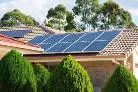
Residential Solar System in Pakistan: A Homeowner’s Guide
Energy costs in Pakistan are continuously rising, and with frequent power outages, many homeowners are now seeking a reliable, cost-effective, and sustainable energy option. One of the most effective solutions is a Residential Solar System. For homeowners, this technology not only reduces dependence on the national grid but also offers long-term savings and energy security. This comprehensive guide explains everything you need to know before installing solar power in your home.
Understanding Residential Solar Systems
A residential solar system is designed to power households using sunlight, converting it into electricity with the help of solar panels and inverters. These systems can be customized based on a family’s daily energy consumption and offer several options:
- On-Grid Systems: Connected to the national grid, allowing excess power to be sold back through net metering.
- Off-Grid Systems: Independent of the grid and equipped with batteries for backup during outages.
- Hybrid Systems: A combination of on-grid and off-grid, ensuring flexibility and reliability.
Choosing the right type of solar system depends on your energy requirements, budget, and location.
Why Solar Energy is Ideal for Pakistani Homes
Pakistan is among the countries with the highest solar energy potential due to its long sunny days throughout the year. This makes solar energy a perfect solution for homeowners dealing with high bills and load-shedding.
Benefits include:
- Reduced electricity costs for households of all sizes.
- Energy independence, avoiding frequent blackouts.
- Environmentally friendly living, lowering carbon footprint.
- Government support in the form of net metering policies.
Key Components of a Residential Solar System
To understand the installation process better, it’s essential to know the main parts of a solar system:
- Solar Panels – Capture sunlight and convert it into electricity.
- Inverters – Convert direct current (DC) into alternating current (AC) for home use.
- Batteries (optional) – Store electricity for backup power.
- Mounting Structures – Hold the panels securely in place.
- Monitoring Systems – Allow homeowners to track energy generation and savings.
Each of these components plays a crucial role in ensuring your system runs efficiently and meets your household’s energy demands.
Benefits of Installing a Residential Solar System
1. Long-Term Cost Savings
Although solar systems require an initial investment, they significantly reduce electricity bills and offer returns within a few years. After that, the energy generated is practically free.
2. Reliable Backup Power
With a hybrid or off-grid solar system, homeowners enjoy uninterrupted electricity supply, even during national outages.
3. Net Metering Benefits
Homes with on-grid systems can sell excess energy back to the utility company, lowering overall costs further.
4. Eco-Friendly Lifestyle
Switching to solar helps reduce pollution and greenhouse gases, contributing to a cleaner environment.
5. Increased Property Value
Homes equipped with solar systems are considered more modern and energy-efficient, increasing their resale value.
Factors to Consider Before Choosing a Solar System
When investing in a residential solar system, homeowners should keep the following factors in mind:
- Energy Consumption: Analyze your monthly electricity usage.
- Budget and Financing: Choose between small starter systems or larger setups based on budget.
- Roof Space and Angle: Panels require proper installation space and orientation.
- System Type: Decide between on-grid, off-grid, or hybrid systems.
- Quality of Equipment: High-quality panels and inverters ensure longer lifespan and better efficiency.
The Installation Process Explained
- Consultation and Energy Audit – Experts evaluate your home’s energy needs.
- System Design – A tailored plan is created according to your roof and usage.
- Equipment Selection – Premium solar panels and inverters are chosen.
- Installation – Panels, wiring, and inverters are set up professionally.
- Testing & Monitoring – The system is tested to ensure smooth operation.
- Net Metering Connection – If eligible, the system is linked to the grid for additional savings.
Why Choose DSG Energy for Residential Solar Systems
Selecting the right provider is crucial for a long-lasting and efficient solar experience. DSG Energy is one of Pakistan’s most trusted solar providers, with expertise in designing and installing residential solar systems.
Why Choose Us:
- Experience and Expertise: Years of successful solar installations across Pakistan.
- Customized Solutions: Tailored systems based on your unique household energy needs.
- Premium Equipment: Use of high-quality, durable panels and inverters.
- End-to-End Services: From consultation and design to installation and after-sales support.
- Nationwide Service: Serving homeowners in all major cities of Pakistan.
We are committed to making solar energy affordable, reliable, and accessible for every household.
The Future of Residential Solar in Pakistan
As electricity costs continue to rise, solar adoption in homes will only accelerate. With government support for net metering and advancements in solar technology, homeowners who switch to solar now will benefit the most in terms of long-term savings and energy independence.
FAQs
Q1: How much does a residential solar system cost in Pakistan?
The cost depends on system size, type, and equipment used. On average, prices range from PKR 700,000 to PKR 1,200,000 for mid-sized homes.
Q2: Can a solar system completely eliminate electricity bills?
Yes, with a properly sized system and net metering, it is possible to reduce bills to nearly zero.
Q3: How long does it take to recover the investment?
Most homeowners recover their investment within 5–7 years, after which solar energy becomes practically free.
Q4: Is battery storage necessary for homes?
Batteries are optional but recommended for areas with frequent outages. Hybrid systems are often the best choice.
Q5: Why should I choose DSG Energy for my home solar system?
DSG Energy offers customized residential solar solutions, premium equipment, and end-to-end services, making them a reliable choice for homeowners in Pakistan.