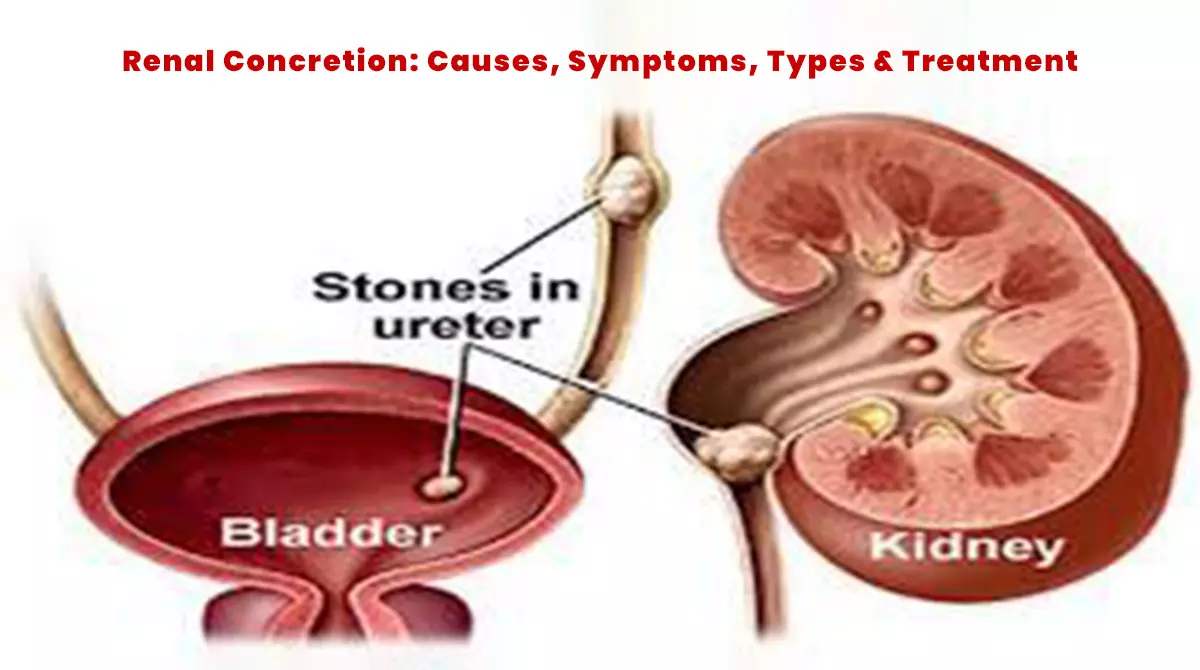
Renal Concretion: Causes, Symptoms, Types & Treatment
Renal concretion, more commonly known as kidney stone, is a condition that causes extreme discomfort and health complications if not diagnosed and treated properly. The term may sound complex, but it simply refers to the formation of hard mineral deposits in the kidneys. These deposits—or stones—can affect either one or both kidneys and often vary in size, number, and composition.
In this article, we will explore everything you need to know about renal concretion, including types like left renal concretion, right renal concretion, and bilateral renal concretions. We will also cover the early symptoms, causes, stages of passing a kidney stone (especially in women), and treatment methods.
What is Renal Concretion?
Renal concretion refers to the formation of solid masses or "stones" inside the kidney due to the accumulation and crystallization of waste materials like calcium, oxalate, and uric acid. When these substances are present in high concentrations in urine, they clump together and form crystals, which may grow into larger stones over time.
This condition is medically known as nephrolithiasis or urolithiasis, and it can cause pain, urinary problems, infections, and even kidney damage if ignored.
Types of Renal Concretions
Left Renal Concretion
This refers to a stone formation in the left kidney. It can cause localized pain on the left side of the back or abdomen, and sometimes radiates to the groin area.
Right Renal Concretion
This is when the stone forms in the right kidney, usually causing pain in the right flank, which may spread downward during urination.
Bilateral Renal Concretions
When stones are present in both kidneys, the condition is called bilateral renal concretion. This situation can be more critical and may lead to reduced kidney function if not treated promptly.
Causes of Renal Concretion
Understanding the root causes of renal concretion can help with both prevention and effective treatment.
Most stones develop due to dehydration, which leads to concentrated urine. This causes minerals and salts to stick together and form crystals. Poor dietary habits, including high salt intake, excessive animal protein, sugar, and oxalate-rich foods like spinach, nuts, and tea, also contribute to stone formation.
Medical conditions such as obesity, diabetes, hyperparathyroidism, and urinary tract infections can raise the risk. In addition, a family history of kidney stones, low water intake, and prolonged use of medications like diuretics, calcium-based antacids, or high-dose vitamin D may also increase the risk.
Early Symptoms of Renal Concretion
Identifying the early signs of renal concretion can lead to quicker treatment and avoid complications. So, what are the first signs of kidney stones
Common Symptoms Include:
- Sharp, cramping pain in the back or lower abdomen
- Pain that moves to the groin or inner thigh
- Frequent or painful urination
- Pink, red, or brown urine (indicating blood)
- Cloudy or foul-smelling urine
- Nausea and vomiting
- Fever and chills in case of infection
Women may experience pain that mimics menstrual cramps or urinary tract infections, making diagnosis a bit more complicated. It’s crucial to consult a nephrologist or urologist if these symptoms appear.
How Do You Know If You Have Kidney Stones?
To confirm the presence of renal concretions, doctors may use the following methods:
- Imaging Tests: Ultrasound or CT scans provide detailed views of your kidneys and urinary tract.
- Urine Tests: Help detect mineral concentrations and infections.
- Blood Tests: Check calcium and uric acid levels in the blood.
- Physical Examination: Helps determine pain location and severity.
Stages of Passing a Kidney Stone
The process of passing a kidney stone involves several stages, each with varying degrees of discomfort. These stages apply to both men and women but can feel more intense in females due to differences in anatomy and pain thresholds.
Stage 1: Formation
The stone begins to form inside the kidney due to crystallization of salts and minerals.
Stage 2: Movement Within Kidney
The stone may move within the kidney or stay in place without symptoms initially.
Stage 3: Entering the Ureter
As the stone moves into the ureter (tube connecting kidney to bladder), sharp pain begins, often called renal colic.
Stage 4: Traveling to Bladder
Pain and urinary discomfort peak as the stone progresses through the narrow ureter.
Stage 5: Exiting Through Urethra
Once the stone reaches the bladder, it passes out through the urethra during urination, sometimes accompanied by burning sensations.
Women often report more intense bladder pressure and abdominal cramps during the final stage.
Renal Concretion Treatment
Treatment for renal concretion depends on the size, type, and location of the stone.
Hydration
Small stones often pass naturally by increasing water intake to around 2.5 to 3 litres per day. This dilutes the urine and helps flush out small particles.
Medications
Doctors may prescribe pain relievers, anti-nausea drugs, and alpha blockers that relax the muscles of the ureter, helping the stone to pass smoothly.
Extracorporeal Shock Wave Lithotripsy (ESWL)
This non-invasive procedure uses sound waves to break larger stones into smaller pieces that can be passed in urine.
Ureteroscopy
A thin, flexible tube is inserted through the urethra to the ureter and kidney, allowing the doctor to remove or break the stone using laser energy.
Percutaneous Nephrolithotomy (PCNL)
This surgical procedure is used for large or complex stones. A small incision is made in the back to remove the stone directly from the kidney.
Prevention of Kidney Stones (Renal Concretion)
Preventing renal concretion involves adopting healthier lifestyle and dietary habits:
- Drink plenty of water: Keep your urine light yellow or clear.
- Limit salt and animal protein: Reduce intake of red meat and high-sodium foods.
- Eat calcium-rich foods naturally: Dairy in moderate amounts is beneficial.
- Avoid high-oxalate foods: Reduce spinach, beets, nuts, and chocolate.
- Stay active: Exercise supports healthy kidney function.
- Attend regular kidney screenings, especially if you’ve had stones before.
At RCF, we offer dietary counselling, lab testing, and lifestyle guidance to help individuals prevent recurrence.
Conclusion
Renal concretion, or kidney stones, is a painful yet manageable condition that can affect anyone. Early detection, proper hydration, and smart dietary habits can significantly reduce your risk. Whether it's a right renal concretion, left renal concretion, or bilateral renal concretion, knowing the symptoms and treatment options can save you from long-term complications.
At Renal Care Foundation (RCF), we strive to educate and empower patients with reliable information, professional care, and support services. If you're experiencing any symptoms or have a family history of stones, don't wait—contact our experts or book a consultation today and protect your kidney health for life.
FAQs
What is renal concretion?
Renal concretion refers to hard stone-like deposits that form in the kidneys due to crystallized minerals in urine.
What causes renal concretion?
Dehydration, high salt intake, family history, certain medications, and medical conditions like obesity or infections can cause kidney stones.
How do I know if I have kidney stones?
You may experience sharp back pain, painful urination, blood in urine, or nausea. A medical diagnosis through imaging confirms the presence of stones.
Can kidney stones go away on their own?
Yes, small stones can pass naturally with increased hydration and proper diet. Larger stones require medical intervention.
Are kidney stones more painful for women?
Both men and women experience pain, but anatomical differences can cause varying sensations. Women may confuse symptoms with menstrual or UTI pain.
What is bilateral renal concretion?
It refers to the presence of kidney stones in both the right and left kidneys, and may require more complex treatment strategies.
How long does it take to pass a kidney stone?
Depending on the size and location, it may take a few days to several weeks to pass a kidney stone naturally.