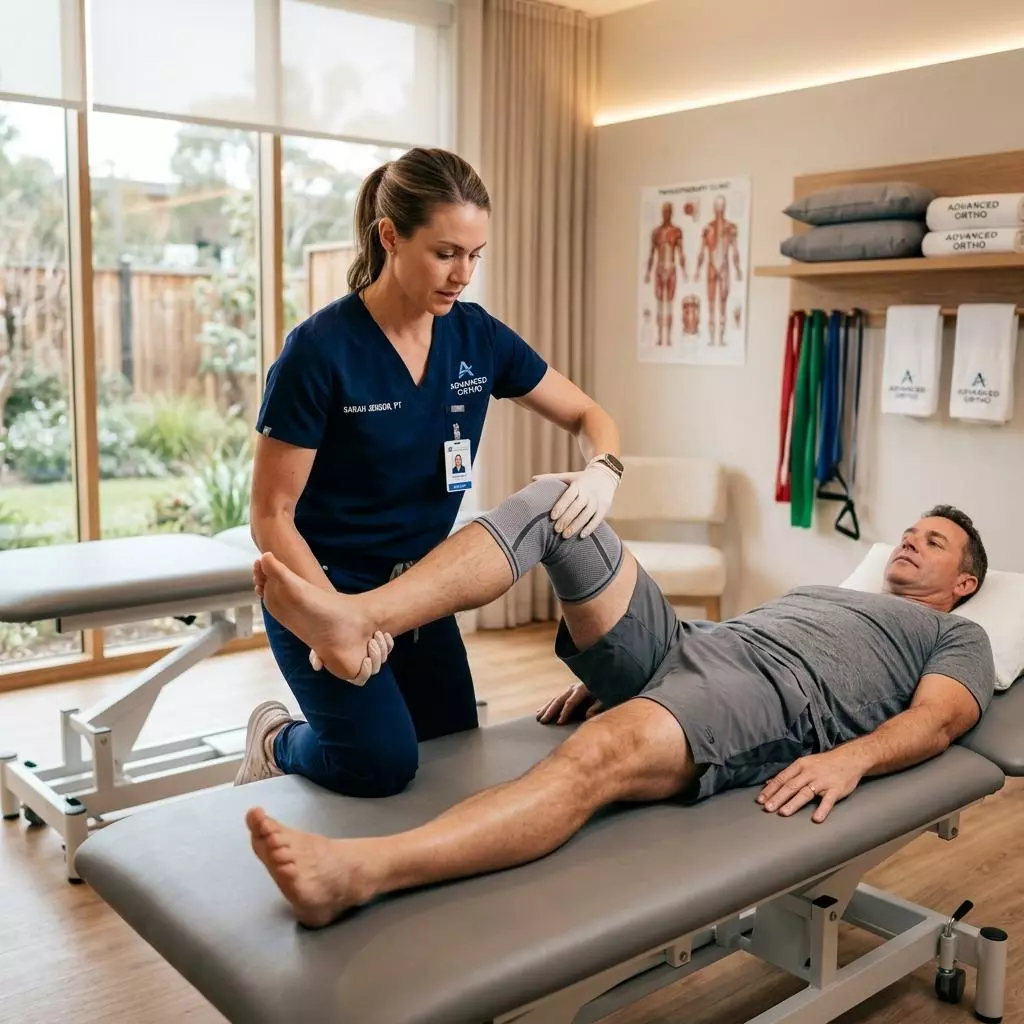
Rehabilitation & Pain Management Physiotherapy in Vashi: A Complete Guide to Moving Better
Pain can gradually change the way people live. A simple morning walk may become uncomfortable, climbing stairs may feel difficult, and sitting at a desk for extended periods can lead to persistent back or neck discomfort.
Whether caused by an injury, surgery, muscle weakness, or a long-term joint condition, physical limitations can affect independence and quality of life
While medication may help manage certain symptoms, long-term recovery often requires a broader approach that addresses movement, strength, flexibility, and physical function. This is where rehabilitation and physiotherapy play an important role.
For individuals looking for Rehabilitation & Pain Management Physiotherapy in Vashi, understanding how physiotherapy works can help them make informed decisions about their recovery.
With appropriate assessment and an individualised treatment programme, physiotherapy can help people manage pain, improve mobility, and gradually return to their regular activities.
What Is Rehabilitation and Pain Management Physiotherapy?
Rehabilitation physiotherapy is a healthcare approach that helps individuals recover or improve physical abilities affected by injuries, illnesses, surgeries, and chronic conditions.
Pain management physiotherapy focuses on identifying factors contributing to discomfort and improving the body's ability to move and function.
Rather than concentrating only on the location of pain, a physiotherapist evaluates the overall movement system. This may include muscle strength, joint mobility, posture, flexibility, balance, coordination, and everyday activity patterns.
Conditions that may benefit from physiotherapy include:
- Lower back pain and cervical pain.
- Knee osteoarthritis and joint stiffness.
- Frozen shoulder and restricted shoulder mobility.
- Sciatica and selected nerve-related musculoskeletal symptoms.
- Sports injuries and ligament problems.
- Post-fracture and post-operative recovery.
- Muscle strains and selected tendon conditions.
- Age-related mobility and balance difficulties.
The treatment plan depends on the underlying diagnosis, individual health status, and functional goals.
Why Does Physiotherapy Matter for Long-Term Pain Management?
Pain can sometimes continue even after the initial injury has healed. Reduced activity, muscle weakness, movement restrictions, and changes in physical conditioning may contribute to ongoing discomfort.
Physiotherapy addresses these factors through carefully selected treatment techniques and progressive exercises.
1. Identifying the Underlying Problem
The first step is understanding why a person is experiencing pain or movement difficulties.
A physiotherapist may assess joint movement, muscle strength, flexibility, posture, walking patterns, and functional activities. The assessment helps identify physical limitations and determine whether further medical investigation or referral is necessary.
For example, knee pain may be associated with osteoarthritis, a ligament injury, muscle weakness, or another condition. Each requires a different management approach.
2. Improving Strength and Flexibility
- Weak muscles and restricted joint movement can make everyday activities more challenging.
- Therapeutic exercises may help strengthen supporting muscles, improve flexibility, and increase the body's ability to tolerate physical activity.
- Exercises are generally introduced gradually according to the patient's condition and response.
3. Improving Movement and Posture
- Poor movement habits, prolonged sitting, and repetitive physical activities can contribute to discomfort in some individuals.
- Physiotherapy may include movement retraining, ergonomic guidance, posture education, and exercises designed to improve physical control.
- The objective is to help patients perform everyday activities more comfortably and confidently.
4. Supporting Recovery After Surgery or Injury
- Following surgery or an injury, patients may experience stiffness, swelling, muscle weakness, and reduced mobility.
- A structured rehabilitation programme helps gradually restore physical function while respecting medical precautions and tissue healing requirements.
- Post-operative rehabilitation may be necessary after knee replacement, hip replacement, ligament reconstruction, or fracture treatment.
Common Conditions Managed Through Rehabilitation Physiotherapy
Different conditions require different rehabilitation strategies. Understanding the treatment approach can help patients recognise when professional guidance may be useful.
Back Pain and Neck Pain
Back and neck pain are common complaints among people with sedentary jobs, repetitive physical demands, or certain musculoskeletal conditions.
Symptoms may include stiffness, muscle discomfort, restricted movement, and difficulty maintaining comfortable positions.
Physiotherapy may involve:
- Strengthening exercises for supporting muscles.
- Mobility and flexibility training.
- Movement and posture education.
- Gradual return to normal activities.
- Advice on workstation setup and activity modification.
Persistent or worsening pain, particularly when accompanied by weakness, numbness, or other concerning symptoms, requires medical evaluation.
Knee Pain and Osteoarthritis
Knee problems can make walking, standing, climbing stairs, and getting up from a chair difficult.
For people with knee osteoarthritis, physiotherapy commonly focuses on strengthening the muscles around the joint, improving movement, and building activity tolerance.
A suitable exercise programme can help improve physical function and reduce pain-related limitations.
Frozen Shoulder
Frozen shoulder, also called adhesive capsulitis, causes pain and progressive stiffness in the shoulder joint.
Patients may find it difficult to raise their arms, reach behind their backs, or perform routine household activities.
Physiotherapy may involve appropriately graded mobility exercises, gentle stretching, and strengthening as tolerated. The programme should be adjusted according to the stage of the condition because overly aggressive stretching can worsen symptoms.
Sports Injuries
Sports injuries can affect muscles, tendons, ligaments, and joints.
Rehabilitation may focus on restoring movement, developing strength, improving balance, and gradually preparing the individual to return to sports.
The return-to-sport process should be based on functional recovery and appropriate clinical assessment rather than simply waiting for pain to disappear.
How to Choose the Best Physiotherapy Center in Vashi
Finding the best physiotherapy center in Vashi involves more than comparing clinic locations or treatment prices. The quality of assessment, professional expertise, individual attention, and rehabilitation planning are important considerations.
Here are some factors worth evaluating before selecting a clinic.
Qualified and Experienced Physiotherapists
Look for appropriately qualified physiotherapists with experience managing your particular condition.
Different rehabilitation needs may require different clinical skills. Someone recovering from an ACL injury may need sports rehabilitation expertise, while a patient recovering from a stroke may require neurological rehabilitation.
Individualised Treatment Plans
Every patient has different symptoms, physical abilities, and recovery goals.
A suitable clinic should conduct an assessment before recommending exercises or treatment techniques. Your programme should be adjusted as your condition improves.
Focus on Active Rehabilitation
Physiotherapy should not rely exclusively on passive treatment methods.
Depending on the diagnosis, an effective rehabilitation programme may include therapeutic exercises, strengthening, balance training, functional movement practice, and patient education.
Progress Monitoring
A good rehabilitation programme includes regular progress reviews.
Changes in movement, strength, balance, pain, and daily functional ability can help determine whether treatment needs to be modified.
Clear Communication
Patients should understand their condition, treatment goals, home exercise requirements, and expected recovery process.
A physiotherapist should also explain when specialist consultation or additional medical investigation is necessary.
What to Expect When Visiting a Physiotherapist in Vashi
If you are searching for a physiotherapist in Vashi, knowing what happens during an initial appointment can make your experience more comfortable.
A typical assessment may involve several steps.
1. Discussion of your medical history
The physiotherapist will ask about your symptoms, previous injuries, medical conditions, surgeries, medication, and daily activity levels.
2. Physical examination
Depending on your condition, the assessment may include joint movement, muscle strength, flexibility, balance, posture, and functional movement.
3. Identification of rehabilitation goals
Your physiotherapist may discuss goals such as walking comfortably, returning to work, improving shoulder movement, or participating in sports again.
4. Development of a treatment programme
A suitable programme may combine exercise therapy, mobility training, manual techniques, education, and other clinically appropriate interventions.
5. Follow-up and progress evaluation
Your response to treatment is monitored, and exercises are progressed or modified according to your recovery.
Patients should bring relevant medical reports, prescriptions, and previous investigation results when available.
Physiotherapy Techniques Used in Pain Management
Physiotherapy uses different techniques depending on the patient's condition and treatment goals.
Therapeutic Exercise
Exercise therapy is a central component of rehabilitation. Strengthening, stretching, mobility, and functional exercises can help improve physical capacity and movement.
Manual Therapy
Manual therapy involves hands-on techniques used by trained professionals to address selected movement restrictions and musculoskeletal symptoms.
It may be used alongside exercise rather than as a replacement for active rehabilitation.
Electrotherapy
Certain electrotherapy techniques may be used to help manage symptoms in selected patients. Their suitability depends on the condition, treatment objectives, and medical precautions.
Balance and Coordination Training
Balance exercises can help improve stability, movement control, and confidence during walking and everyday activities.
They may be particularly useful in selected neurological, sports, and geriatric rehabilitation programmes.
Patient Education
Understanding pain, activity management, recovery expectations, and appropriate exercise techniques can help patients participate more effectively in their rehabilitation.
No single technique works for every condition. Treatment selection should be guided by clinical assessment and relevant evidence.
How Long Does Physiotherapy Take to Show Results?
There is no universal recovery timeline.
Some patients notice improvements in movement or daily function after a few sessions, while more complex injuries, post-surgical conditions, and chronic problems may require longer rehabilitation.
Recovery depends on several factors:
- Type and severity of the condition.
- Overall health and physical fitness.
- Duration of symptoms.
- Consistency with the prescribed exercise programme.
- Healing requirements following surgery or injury.
- Response to treatment.
Patients should avoid comparing their progress with others. A realistic recovery plan should be based on individual assessment and measurable improvements.
Why Consistency Is Important During Rehabilitation
Physiotherapy is a gradual process that requires participation from both the patient and the treating professional.
Attending scheduled sessions, following home exercise recommendations, and communicating changes in symptoms can help maintain continuity.
It is equally important not to overexercise or ignore increasing pain. Exercise intensity should be progressed according to professional guidance.
Patients who understand their treatment goals and remain involved in their recovery are better positioned to develop sustainable movement and self-management habits.
Take a Step Towards Better Mobility with WeCare Physiotherapy
Managing pain and recovering physical function requires an approach that considers the underlying condition, individual limitations, and long-term activity goals.
For residents exploring Rehabilitation & Pain Management Physiotherapy in Vashi, WeCare Physiotherapy offers physiotherapy and rehabilitation services for a range of musculoskeletal conditions, including back pain, frozen shoulder, ligament injuries, joint problems, and post-operative rehabilitation.
The clinic is led by Dr. Sandeep Patil, whose professional experience and physiotherapy background are described on the clinic's website.
Whether you are experiencing persistent discomfort, recovering from an injury, or working towards improved mobility, an appropriate physiotherapy assessment can help identify suitable next steps.
The goal of rehabilitation is not simply temporary symptom relief. It is to support better movement, improve physical function, and help people return to meaningful everyday activities with greater confidence.