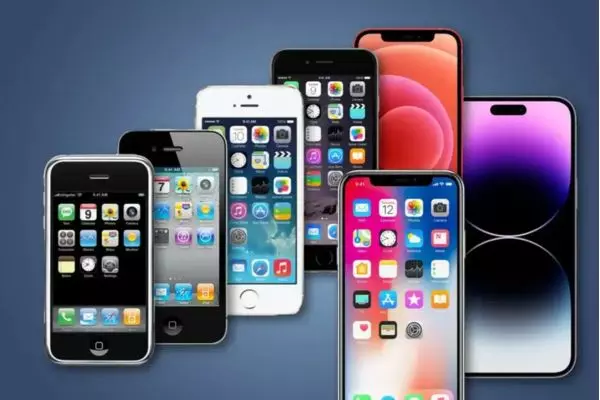
Refurbished Phones iPhone: Trade-In Your Old Device & Save
The smartphone market has fundamentally changed over the past few years. What used to be a straightforward decision—buy the latest model every two years—has evolved into something far more nuanced.
Australians are increasingly looking at their old devices not as electronic waste, but as valuable assets that can offset the cost of their next upgrade. This shift in thinking has created a thriving market for refurbished phones iPhone models, where quality meets affordability in ways that would've seemed impossible a decade ago.
Here's what most people miss: trading in your old device isn't just about getting a discount. It's about participating in a circular economy that reduces electronic waste, conserves precious resources, and makes premium technology accessible to more people. When you trade in your iPhone, you're essentially unlocking value that's been sitting in your desk drawer, whilst simultaneously making your next purchase more financially sensible.
The numbers tell a compelling story. Research indicates that Australians upgrade their smartphones every 2.5 to 3 years on average, yet many of these devices still have significant functional life remaining. This gap between usage patterns and device longevity has created an opportunity that savvy consumers are increasingly exploiting.
Understanding the Refurbished Market
Let's clear up a common misconception straight away: refurbished doesn't mean broken or second-rate. The refurbished iPhone market has matured dramatically, with stringent quality standards that rival new devices in many respects. These phones undergo comprehensive testing, component replacement where necessary, and thorough cleaning before they're certified for resale.
The process typically involves multiple stages. Devices are first assessed for physical and functional condition. Any components showing wear—batteries, screens, cameras—get replaced with genuine or certified parts. The phone is then restored to factory settings, tested across numerous parameters, and packaged with appropriate accessories. Many refurbished iPhones come with warranties that provide genuine peace of mind.
What separates premium refurbished devices from budget options? The answer lies in the refurbishment process itself. Top-tier refurbishers use original equipment manufacturer (OEM) parts, employ certified technicians, and implement quality control measures that match or exceed industry standards. This attention to detail means you're getting a device that performs like new, but at a fraction of the cost.
The Trade-In Advantage
Trading in your old iPhone creates a win-win scenario that benefits both your wallet and the environment. The average iPhone retains substantial value even after several years of use, and that value can be directly applied to your next purchase.
Consider the economics: a three-year-old iPhone in good condition can still command 30-40% of its original retail price through trade-in programs.
For someone who paid $1,500 for their device, that's potentially $450-$600 towards their next phone. When combined with the savings from purchasing a refurbished model rather than a brand-new one, the total savings can reach 50-60% compared to buying new.
How Trade-In Programs Work
The process has become remarkably straightforward. Most programs follow this general framework:
Assessment Phase: You provide information about your device's model, storage capacity, and condition. Many platforms now offer instant online quotes based on this information.
Verification: Once you submit your device, it undergoes professional inspection to confirm its condition matches your description. This typically takes 1-3 business days.
Payment: After verification, you receive payment through your chosen method—store credit, bank transfer, or direct discount on your new purchase.
Refurbishment: Your old device enters the refurbishment pipeline, where it's restored and prepared for its next owner.
The beauty of this system is its simplicity. You're not dealing with the hassle of private sales, meeting strangers, or negotiating prices. The entire transaction is handled professionally, with clear expectations and defined timelines.
Environmental Impact Worth Considering
Electronic waste represents one of the fastest-growing waste streams globally. Australia generates approximately 24 kilograms of e-waste per person annually, and smartphones contribute significantly to this figure. When you trade in your device rather than discarding it, you're directly addressing this environmental challenge.
The environmental benefits extend beyond waste reduction. Manufacturing a new iPhone requires substantial resources—rare earth elements, precious metals, and significant energy input. By extending the useful life of existing devices through refurbishment and resale, we collectively reduce the demand for new production and its associated environmental costs.
Mining for smartphone components has real-world consequences. Cobalt mining in the Democratic Republic of Congo, lithium extraction in South America, and rare earth mining in various locations all carry environmental and social costs. Each device that gets a second life through refurbishment is one less device that needs to be manufactured from scratch.
Quality Standards and Warranties
One of the biggest concerns people have about refurbished devices centres on quality and reliability. This concern is legitimate, which is why understanding grading systems and warranty coverage is crucial.
Grading Systems Explained
Grade A (Like New): These devices show minimal to no signs of use. Screens are pristine, bodies have no significant scratches, and all functions work perfectly. You'd struggle to distinguish these from new devices without close inspection.
Grade B (Excellent): Minor cosmetic imperfections may be present—light scratches on the casing, perhaps—but the screen remains in excellent condition and all features function flawlessly.
Grade C (Good): More noticeable cosmetic wear, possibly including scratches or small dents, but the device remains fully functional with no impact on performance.
Reputable refurbishers provide detailed descriptions of grading criteria, allowing you to make informed decisions based on your priorities. If aesthetics matter less than functionality, Grade B or C devices offer exceptional value.
Warranty Considerations
Quality refurbished iPhones typically come with warranties ranging from 6 to 12 months. Some premium refurbishers even offer extended warranty options. These warranties generally cover hardware defects and functional issues, providing recourse if problems arise.
Compare this to private sales, where you typically have zero warranty protection. The warranty alone represents significant value and peace of mind, particularly when dealing with devices that cost several hundred dollars even in refurbished condition.
Maximising Your Trade-In Value
Getting the best return on your old device requires some preparation and strategic thinking. Here's what actually makes a difference:
Timing Matters: Trade-in values drop when new models launch, as the market becomes flooded with older devices. Trading in your phone a few months before anticipated new releases can yield better returns.
Condition is King: Basic maintenance protects your device's trade-in value. Using a quality case and screen protector from day one can mean the difference between Grade A and Grade C when trade-in time arrives.
Complete the Package: Original boxes, accessories, and documentation can boost trade-in values. Whilst not essential, having these items demonstrates care and can positively influence assessments.
Data Preparation: Before trading in, back up your data, disable Find My iPhone, and perform a factory reset. This speeds up the verification process and protects your privacy.
Read: Top 10 Banks in India: Best Financial Institutions for 2025
Shop Around: Different platforms offer varying trade-in values. Major retailers, manufacturers, and specialist refurbishment companies all run trade-in programs with different pricing structures. Spending 30 minutes comparing offers can yield an extra $50-$100.
The Financial Mathematics
Let's break down the actual numbers with a realistic scenario. Say you own an iPhone 12 Pro that you purchased three years ago for $1,699. Today, it might trade in for $500-$600 depending on condition. Rather than buying the latest model for $1,849, you opt for a refurbished iPhone 14 Pro at $1,200.
Total savings: Trade-in value ($550) + price difference between new and refurbished ($649) = $1,199 in value compared to buying the latest model new without trading in.
That's substantial money that could fund a holiday, boost your savings, or cover other expenses. Over a decade of smartphone ownership with three upgrade cycles, we're potentially talking about $3,000-$4,000 in savings through strategic trade-ins and refurbished purchases.
Common Concerns Addressed
Battery Life: This is the most frequent concern. Reputable refurbishers replace batteries that fall below 80% of original capacity. Many explicitly guarantee minimum battery health percentages, often 85-90%.
Software Updates: Refurbished iPhones receive the same iOS updates as new devices. Apple typically supports devices for 5-6 years after release, so even a refurbished iPhone that's two years old will receive updates for several more years.
Carrier Compatibility: Ensure any refurbished device you purchase is unlocked or compatible with your carrier. Most refurbishers clearly indicate carrier status in product descriptions.
Authenticity: Stick with established refurbishers who provide authenticity guarantees. Counterfeit iPhones exist, but legitimate refurbishment companies have verification processes to ensure only genuine devices enter their inventory.
Selecting a Refurbisher
Not all refurbishment companies operate with the same standards. Here's what distinguishes the reliable from the risky:
Look for companies with clear return policies—ideally 30 days or more. This gives you adequate time to test the device thoroughly. Transparent grading descriptions, detailed product photos, and responsive customer service all indicate a professional operation.
Reviews matter, but read them critically. Look for patterns rather than individual complaints. How does the company respond to negative feedback? Do they resolve issues promptly? These indicators reveal more about reliability than perfect five-star ratings.
Certifications and partnerships with major retailers or manufacturers suggest legitimacy. Companies that have earned Apple certification or partner with telcos have met stringent standards to earn these relationships.
The Future of Phone Ownership
The smartphone market is shifting from a linear "buy-use-discard" model to a circular economy where devices cycle through multiple owners. This transformation is driven by environmental awareness, economic pressures, and improving refurbishment technologies.
Right to repair legislation gaining traction globally will likely make device maintenance and refurbishment even more accessible. As manufacturers face pressure to design for longevity and repairability, the refurbished market will only grow stronger.
For consumers, this means more options, better value, and the satisfaction of making environmentally conscious choices without sacrificing quality or functionality.
Making Your Decision
Choosing to trade in your old iPhone and purchase a refurbished model isn't just financially smart—it's an investment in a more sustainable approach to technology consumption. You're accessing premium technology at accessible prices whilst contributing to reduced electronic waste and resource conservation.
The process has never been easier or more transparent. With robust warranties, clear grading systems, and competitive trade-in offers, the barriers that once made people hesitant about refurbished devices have largely disappeared.
Your old iPhone holds value—value that can reduce the cost of your next device significantly. Combined with the savings inherent in choosing refurbished over new, you're looking at potentially thousands of dollars saved over your smartphone ownership lifetime.
The question isn't whether you can afford to buy refurbished and trade in your old device. It's whether you can afford not to.