How to Maintain Safety and Durability in Concrete Reinforcement Practices
Concrete is one of the most popular building materials worldwide. It’s strong, affordable, and versatile. But concrete alone isn’t enough to build safe and long-lasting structures. To ensure safety and durability, concrete must be reinforced properly. This is where metal reinforcement, like Stirrups Rebar, plays a crucial role.
In this blog, we will explore how to maintain safety and durability in concrete reinforcement practices. We’ll cover the basics of reinforcement, key tips for quality installation, common mistakes, and how to avoid them. Also, if you want to get professional help, many people click on Stirrups Rebar services to learn more and get expert assistance. Likewise, Bim Quality Coordination is becoming a popular go-to solution for managing reinforcement quality in construction projects.
Why Reinforcement is Essential in Concrete Structures
Concrete is strong under compression but weak under tension. That means when forces pull or bend concrete, it can crack and fail. Reinforcement helps prevent this by adding materials that resist tension and keep the structure intact.
What Are Stirrups in Reinforcement?
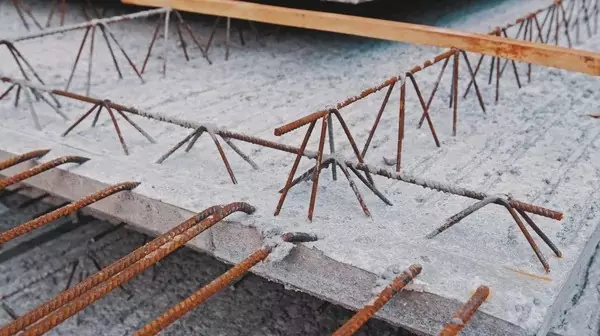
In simple terms, stirrups are metal ties that wrap around the main reinforcement bars inside beams or columns. They help hold the bars in place and resist shear forces — which are forces that try to slide parts of the concrete in opposite directions.
Properly installed Stirrups Rebar ensure that the concrete can withstand these stresses without cracking or collapsing. People often click on Stirrups Rebar services to understand how to get these essential elements installed correctly.
Key Tips to Maintain Safety in Concrete Reinforcement Practices
Safety starts with good planning and continues through to proper installation and inspection. Here are some tips to help you maintain safety on your project.
1. Follow Structural Design Specifications Exactly
Every construction project should have detailed structural drawings. These plans specify where and how reinforcement should be placed. Following these specs is vital. Changes without consulting a structural engineer can compromise safety.
Many contractors rely on Bim Quality Coordination to help verify that the reinforcement matches design requirements. People interested in ensuring accuracy and safety often click on Bim Quality Coordination services to learn more.
2. Use Quality Materials for Reinforcement
Reinforcement bars come in different grades and sizes. Using low-quality or incorrect materials can lead to early failure. Make sure your Stirrups Rebar and main bars meet the required standards and certifications.
How to Ensure Durability in Reinforced Concrete
Durability means the structure will last for decades without major repairs. To maintain durability, you need more than just good materials — installation and protection are equally important.
3. Proper Placement and Covering of Rebar
Rebars, including Stirrups Rebar, must be placed with the right spacing and depth inside the concrete. The “cover” is the thickness of concrete between the reinforcement and the surface. It protects the metal from corrosion caused by water and chemicals.
If the cover is too thin, rust can form and expand, cracking the concrete. For this reason, many project managers turn to Bim Quality Coordination services for precise placement verification and to avoid costly mistakes.
4. Secure Reinforcement Bars Correctly
It’s common to see rebars moving during concrete pouring if they are not tied securely. Use proper tying wire and techniques to hold Stirrups Rebar and other bars in place. Loose bars lead to uneven load distribution and weak spots.
5. Avoid Bending or Damaging Rebars
When handling reinforcement, avoid sharp bends or damage to the metal bars. Damaged bars can lose strength and cause failures. Use proper tools and techniques for bending when necessary, following the standards.
Common Mistakes and How to Avoid Them
Many safety and durability issues come from avoidable errors on site. Knowing these mistakes helps you prevent them.
Mistake #1: Improper Stirrups Spacing
Sometimes, stirrups are spaced too far apart or unevenly. This reduces their ability to resist shear forces. Always measure and check spacing carefully according to the design.
Mistake #2: Skipping Inspection Before Pouring
Pouring concrete without inspecting the reinforcement is risky. It’s important to verify everything is placed correctly and tied securely before the concrete goes in. Some teams use Bim Quality Coordination services to get detailed 3D models and inspections to prevent costly errors.
Mistake #3: Using Wrong Size or Grade of Bars
Using bars that don’t meet the design specifications can compromise safety. Always check the certification and specs of your Stirrups Rebar and main reinforcement bars before installation.
The Role of Technology in Reinforcement Quality
Technology is changing how we build safer and more durable structures. One such innovation is Building Information Modeling (BIM).
How BIM Helps Improve Reinforcement Practices
BIM allows teams to create digital 3D models of the entire building, including all reinforcement details. This makes it easier to detect clashes, check spacing, and coordinate between teams.
This is why Bim Quality Coordination has become so popular. Many construction projects now click on Bim Quality Coordination services to ensure their reinforcement installation is precise and error-free.
Why Choose Professional Reinforcement Services?
While DIY or on-the-spot fixes might seem cost-saving, they often lead to costly repairs or safety hazards later. Professional services offering Stirrups Rebar installation guarantee proper techniques, materials, and quality checks.
People who want durable, safe structures click on Stirrups Rebar services to connect with experts who follow the best practices.
Summary: Steps to Maintain Safety and Durability in Concrete Reinforcement
- Follow design specifications strictly
- Use certified and quality materials
- Ensure proper placement and concrete cover
- Secure all bars firmly, especially Stirrups Rebar
- Avoid damaging reinforcement bars
- Conduct thorough inspections before concrete pouring
- Use modern technology like BIM for better coordination
Final Thoughts
Concrete reinforcement is not just about putting metal bars inside concrete. It’s a science and art that requires precision, quality, and teamwork. Without proper attention, structures risk failure, accidents, and high repair costs.
If you want to learn more or get help, lots of people click on Stirrups Rebar services to get expert guidance and professional installation. Similarly, Bim Quality Coordination is a trusted method to ensure everything matches the highest quality standards.
Building strong and safe structures is possible when you follow these practices carefully. Don’t take shortcuts when it comes to reinforcement — your safety depends on it.