The Impact of Real-Time Data and Analytics on Modern Field Teams
Real-Time Data and Analytics is changing how field teams operate, report, and deliver results. According to a McKinsey report, organizations that use data-driven decision-making are significantly more productive and profitable than those that rely on intuition alone.
For businesses managing sales reps, service engineers, or distribution teams, access to live operational data is no longer a luxury. It directly affects revenue, response time, and accountability.
Field operations used to depend on end-of-day reports, phone calls, and manual updates. Managers often made decisions based on incomplete information.
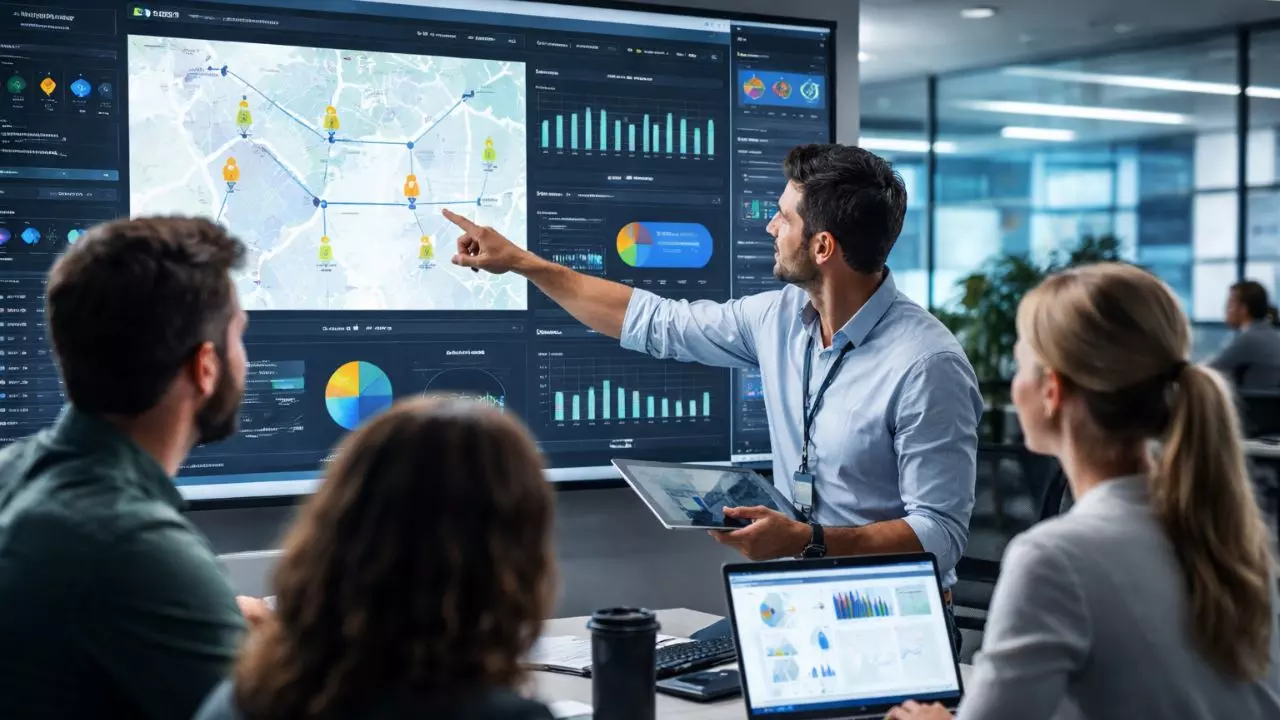
Today, real-time dashboards and instant reporting give leadership clear visibility into what is happening on the ground at any given moment.
This shift is not just about technology. It is about control, performance, and smarter decisions.
How Real-Time Data and Analytics Changed Field Team Management
In the past, field team management relied heavily on trust and delayed reporting. Sales representatives would submit updates at the end of the day.
Service teams would log tasks after returning to the office. By the time managers reviewed the information, the opportunity to fix issues had often passed.
With Real-Time Data and Analytics, updates happen instantly. Managers can see:
- Who is on the field
- Which visits are completed
- How long each task takes
- Where delays are happening
This visibility reduces confusion. It also shortens the gap between problem and solution. Instead of reacting days later, managers can respond within minutes.
Key Technologies Powering Real-Time Field Operations
Several systems work together to make live monitoring possible:
- GPS tracking ensures accurate location verification.
- Mobile reporting apps allow instant updates from the field.
- Live dashboards provide managers with centralized performance views.
- Route optimization tools reduce travel time and fuel expenses.
- Attendance tracking systems improve workforce discipline.
When these tools are integrated into a single platform, field operations become structured and measurable rather than unpredictable.
Productivity Gains Across Sales and Service Teams
One of the biggest advantages of real-time monitoring is improved productivity.
Field reps spend less time filling out paperwork and more time meeting customers. Managers can assign tasks instantly instead of waiting for manual follow-ups.
If a representative cancels a visit or completes early, schedules can be adjusted immediately.
This leads to:
- Higher visit completion rates
- Better territory coverage
- Reduced idle time
- Faster issue resolution
Over time, small efficiency improvements translate into significant revenue gains.
Data-Driven Decision Making at the Managerial Level
Data collected from the field becomes powerful when analyzed correctly.
Managers can identify underperforming territories, high-performing employees, and bottlenecks in operations. If one region shows lower sales despite equal effort, leadership can investigate deeper rather than guessing.
Analytics also supports forecasting. Historical performance data helps estimate future demand and allocate resources accordingly. This reduces overstaffing in low-demand areas and prevents shortages in high-demand zones.
Real-Time Data and Analytics enables decisions based on evidence instead of assumptions.
Improved Accountability and Transparency
Accountability improves when performance is visible.
Location validation reduces false reporting. Timestamped visit logs eliminate disputes about whether a meeting happened. Automated attendance systems reduce manual manipulation.
When employees know their activities are accurately recorded, consistency improves. At the same time, transparency builds trust. Managers can recognize high performers based on data rather than opinion.
Clear metrics also simplify performance reviews and incentive planning.
Cost Optimization Through Smart Monitoring
Operational costs often increase due to inefficiencies rather than large strategic mistakes.
Poor route planning leads to unnecessary fuel expenses. Repeated visits due to missed communication increase travel costs. Delayed reporting results in lost sales opportunities.
With structured tracking and analytics:
- Routes are optimized
- Redundant visits are reduced
- Travel time decreases
- Resource allocation improves
Even a small reduction in daily travel costs can significantly impact annual budgets.
Customer Experience Improvements
Customers expect fast service and consistent communication.
When managers have live updates, they can provide accurate delivery timelines. Service teams can update task status instantly. Missed appointments become less frequent because schedules are monitored continuously.
Better coordination between field staff and office teams results in smoother customer interactions. Over time, this strengthens brand reputation and improves retention rates.
Industries Seeing Strong Results
Several industries benefit greatly from Real-Time Data and Analytics in field operations:
- FMCG and retail distribution rely on timely store visits and stock audits.
- Pharmaceutical companies require structured reporting and compliance tracking.
- BFSI field teams need accurate visit verification and documentation.
- Logistics providers depend on route efficiency and delivery transparency.
- Utility and maintenance services require quick response and task tracking.
In each of these sectors, delays or inaccurate reporting directly impact revenue or compliance.
Common Challenges During Implementation
Adopting a real-time system is not without challenges.
Some employees may resist change. Others may struggle with new mobile tools. Data accuracy can suffer if teams do not use the system consistently.
To overcome these challenges:
- Provide structured onboarding and training
- Set clear expectations for reporting
- Monitor adoption rates during early phases
- Offer support to field staff
Leadership involvement is critical. When management actively uses analytics for decisions, teams understand its importance.
Measuring the ROI of Real-Time Data and Analytics
To justify investment, businesses must track measurable outcomes.
Key performance indicators include:
- Visit adherence rate
- Revenue per field representative
- Cost per visit
- Customer satisfaction metrics
- Reduction in travel expenses
Comparing performance before and after implementation provides a realistic picture of return on investment.
When measured correctly, most organizations find that efficiency gains offset software costs within a reasonable timeframe.
Read: HRMS Software in India: The Future of Smart Workforce
Choosing the Right System for Your Business
Not all systems offer the same level of functionality. When selecting a platform, consider:
- Ease of use for field staff
- Real-time reporting capabilities
- Scalability for future growth
- Integration with existing systems
- Depth of analytics and reporting
A practical solution should simplify operations, not complicate them.
If your organization is ready to bring structure and visibility to field operations, explore a reliable Field Force Management Software solution that aligns with your operational goals.
Conclusion
Real-Time Data and Analytics has moved from being an operational advantage to a business necessity. Companies that manage distributed teams without live visibility risk inefficiency, higher costs, and missed growth opportunities.
From productivity gains and cost control to stronger accountability and improved customer experience, the benefits are clear. Businesses that adopt structured field management systems gain measurable control over their operations.
UpTeams provides a solution designed to help organizations modernize field operations with clarity, structure, and measurable performance improvement.