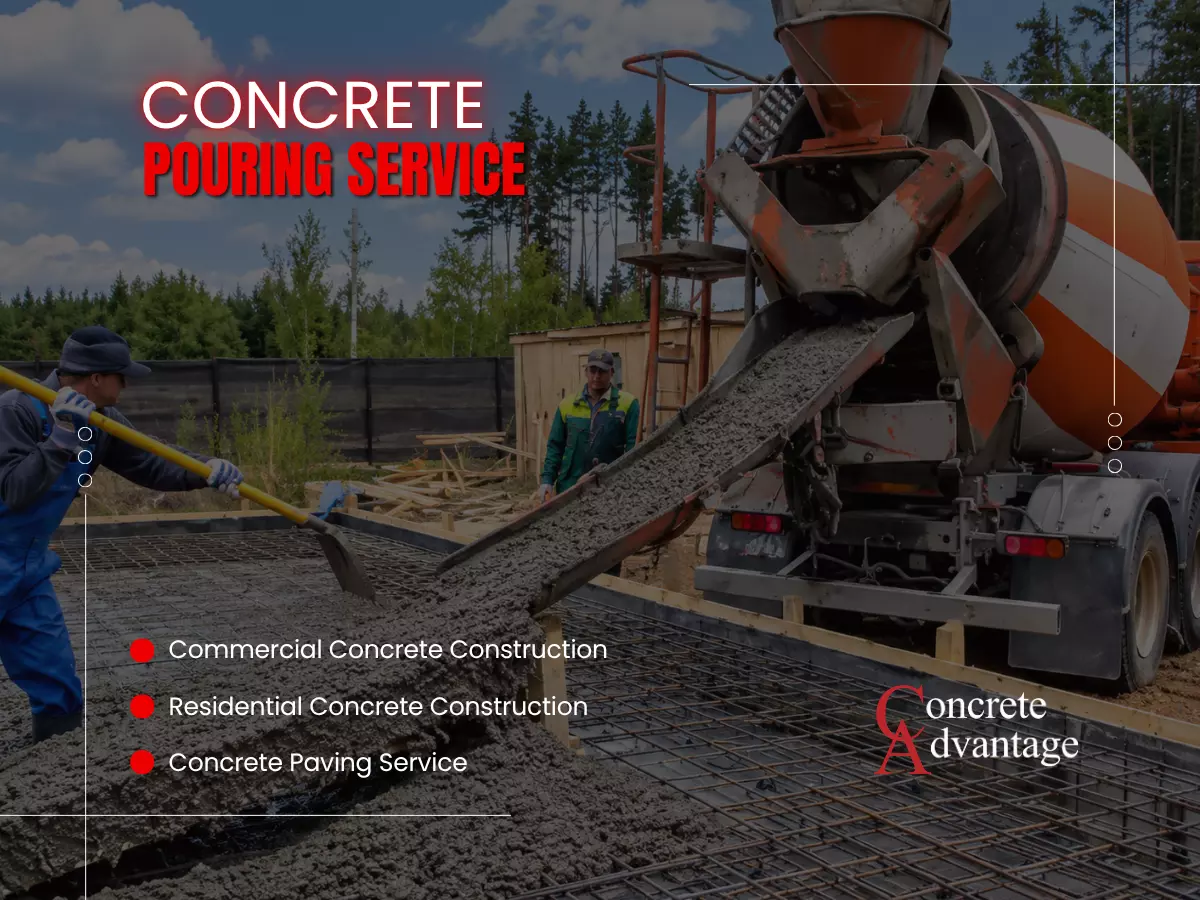
Ready To Mix Concrete Delivery in Jacksonville, FL: A Practical Guide for Construction Projects
Concrete is an essential material for commercial construction, industrial facilities, infrastructure, and property improvements.
However, getting the right concrete mix to a job site at the right time requires careful planning. Delivery delays, incorrect quantities, and unsuitable mix specifications can interrupt work and increase project costs.
Ready to mix concrete delivery in Jacksonville, FL, gives contractors and property owners a practical way to obtain concrete for projects that require dependable material supply and coordinated placement.
From commercial slabs and foundations to parking areas and loading docks, selecting the right delivery method helps keep construction moving.
Concrete Advantage provides concrete delivery and commercial concrete services throughout Jacksonville and Northeast Florida.
With more than two decades of experience and volumetric mixing technology, the company supports projects that require on-site concrete production and mixes suited to specific applications.
What Is Ready To Mix Concrete Delivery?
Ready-mix concrete delivery brings concrete materials to a construction site for placement. Traditional ready-mix concrete is batched at a plant, transported in a rotating drum truck, and delivered while fresh. Volumetric concrete trucks carry separate ingredients and mix them at the job site as needed.
These methods serve different project requirements. Traditional ready-mix delivery is often suitable for planned pours with known quantities. Volumetric mixing can offer flexibility when a project needs different quantities or mix specifications during the same visit.
Concrete Advantage uses volumetric mixing technology for its Jacksonville concrete delivery services. This approach allows concrete to be produced on-site according to the project's requirements, helping reduce unused material and providing flexibility during placement.
Why Jacksonville Construction Projects Need Proper Concrete Delivery
Jacksonville's construction environment presents several factors that contractors must consider before scheduling a concrete pour. Heat, humidity, heavy rainfall, sandy soils, and drainage conditions can affect site preparation, placement, and curing.
A successful delivery plan accounts for the concrete specification, required quantity, truck access, crew availability, and placement schedule. These details are especially important for larger commercial projects where interruptions can affect several construction activities.
Ordering concrete without confirming the site's readiness can lead to unnecessary delays.
Forms should be secure, the base should be properly prepared, reinforcement should be positioned according to the design, and the finishing crew should be ready before the concrete arrives.
For commercial properties, delivery planning also needs to consider vehicle access, pedestrian safety, neighboring businesses, and coordination with other contractors.
Common Applications for Concrete Delivery in Jacksonville, FL
Ready-mix and volumetric concrete delivery can support many construction applications. The appropriate mix depends on the intended use, structural requirements, exposure conditions, and project specifications.
Commercial Concrete Slabs:
Commercial slabs provide stable surfaces for retail buildings, warehouses, offices, workshops, and storage facilities. Their design must account for expected loads, soil conditions, slab thickness, reinforcement, and joint placement.
Accurate measurements and proper base preparation help reduce the risk of uneven settlement. Contractors should confirm the required concrete specifications before scheduling delivery.
Parking Lots and Driveways:
Commercial parking areas experience repeated vehicle traffic, turning forces, and occasional heavy loads. Concrete delivery must align with the installation schedule so crews can place and finish the material without unnecessary interruptions.
Drainage, surface slope, reinforcement, and joint layout also contribute to long-term performance. A well-planned installation helps create a durable surface for employees, customers, and delivery vehicles.
Foundations and Structural Footings:
Foundations and footings transfer building loads into the ground. These applications require concrete that meets the project's engineering specifications and applicable building requirements.
Before delivery, contractors should verify the excavation dimensions, formwork, reinforcement, and inspection requirements. The delivery method must also support the planned placement sequence.
Sidewalks and Pedestrian Areas:
Sidewalks, walkways, ramps, and curbs help people move safely around commercial properties. Concrete must be placed at the correct elevations and finished to meet the project's design and accessibility requirements.
For larger developments, coordinating delivery with the placement crew helps maintain consistent progress along the installation area.
Loading Docks and Industrial Floors:
Industrial facilities often require concrete surfaces that withstand forklifts, delivery trucks, machinery, and concentrated loads. The mix design and slab specifications must reflect these operating conditions.
Planning the delivery schedule around the size of the pour and the finishing requirements helps prevent interruptions. Contractors should confirm that the selected concrete meets the design requirements before work begins.
Benefits of On-Site Volumetric Concrete Mixing
Volumetric mixing provides several practical advantages for projects that need flexible concrete production.
- Mixing based on actual demand: Concrete can be produced as needed at the site. This can help reduce excess material when the required quantity changes during the project.
- Flexible quantities: Contractors can better manage pours where exact quantities are difficult to determine in advance or where several areas require different amounts.
- Mix specifications suited to the application: The equipment can produce concrete according to the selected mix settings and project requirements.
- Reduced material waste: Producing only the amount required can help limit leftover concrete, although actual waste depends on planning, site conditions, and project execution.
- Support for changing site needs: On-site production can be useful when a project involves multiple pours or different placement requirements.
These advantages do not eliminate the need for accurate measurements or proper quality control. Contractors should confirm mix specifications, testing requirements, and placement procedures before the pour begins.
Read: How a Waterproofing Specialist Can Help in Building Construction
How to Prepare for Concrete Delivery
Proper preparation helps contractors use their scheduled delivery time efficiently and avoid preventable problems.
1. Calculate the Required Quantity
Measure the length, width, and depth of the area receiving concrete. For rectangular slabs, multiply these dimensions to calculate the volume, then convert the result to cubic yards when working with U.S. measurements.
Allowances for irregular shapes, variations in depth, and other site conditions should be considered. For structural work, follow the quantities and specifications provided by the project design.
2. Confirm the Mix Requirements
Different applications require different concrete specifications. Strength, workability, aggregate size, air content, and exposure conditions can influence the mix.
Discuss the intended application with your supplier and confirm the specifications required by the project plans. Do not assume that one concrete mix is appropriate for every slab or foundation.
3. Prepare the Site
Complete excavation, base preparation, formwork, reinforcement, and necessary inspections before delivery. Confirm that the ground can support the delivery vehicle and that the truck has a safe route to the placement area.
Remove unnecessary obstacles and establish a suitable washout location. Make sure the crew has the tools and protective equipment needed for the work.
4. Schedule the Delivery
Coordinate the delivery time with the placement crew, finishing equipment, and site supervisor. For larger projects, discuss the expected pour duration and whether multiple production or delivery stages are required.
In Jacksonville, monitor the weather forecast and prepare for heat or rain. The site team should have a plan to protect freshly placed concrete when conditions change.
5. Follow Proper Placement and Curing Procedures
Once the concrete is produced, the crew should place and finish it according to the project specifications. Adding water without authorization can affect the concrete's intended properties.
Curing is also essential for strength development and surface performance. Follow the specified curing method and keep traffic off the surface until it reaches the required strength for use.
Choosing a Concrete Delivery Company in Jacksonville, FL
Selecting a concrete supplier involves more than comparing prices. Contractors should evaluate the supplier's delivery capabilities, mixing methods, communication, and experience with the type of project being planned.
Ask whether the supplier can meet the required mix specifications and delivery schedule. Confirm the minimum order quantity, equipment access needs, testing arrangements, and procedures for handling changes in demand.
For commercial projects, it is also important to establish clear communication between the supplier, site supervisor, and finishing crew. Everyone should understand the placement sequence and the requirements for keeping the pour moving.
Concrete Advantage serves commercial, industrial, and municipal customers in Jacksonville and Northeast Florida. Its services include concrete delivery, commercial slabs, foundations, paving, loading docks, and other site concrete applications.
Factors That Affect Concrete Delivery Costs
The cost of ready to mix concrete delivery in Jacksonville, FL, varies according to project requirements and delivery conditions.
Common pricing factors include:
- Concrete quantity: Larger orders require more materials and production time.
- Mix specifications: Required strength, additives, and specialty mixes can affect the price.
- Delivery distance: Travel time and site location may influence delivery charges.
- Equipment requirements: Difficult access or specialized placement methods can increase costs.
- Site preparation: Excavation, grading, formwork, and reinforcement may be priced separately.
- Scheduling needs: Specific delivery windows and complex pour sequences can affect coordination.
- Additional services: Pumping, testing, finishing, and concrete removal may add to the total project cost.
Request a detailed estimate that identifies the concrete specifications, estimated quantity, delivery charges, and any additional services. Comparing proposals with the same requirements provides a clearer picture of the overall cost.
FAQS:
What is the difference between ready-mix and volumetric concrete delivery?
Traditional ready-mix concrete is batched before transport and arrives in a mixer truck. Volumetric trucks carry separate ingredients and mix concrete at the site, allowing production to be adjusted to the project's needs.
How much concrete should I order?
The required amount depends on the dimensions and depth of the area. Measure the project carefully and confirm the calculation with your supplier or contractor before placing an order.
Can concrete be delivered for commercial projects?
Yes. Concrete delivery supports commercial slabs, foundations, parking areas, loading docks, sidewalks, industrial floors, and other construction applications. The mix and delivery method should match the project specifications.
How early should I schedule concrete delivery?
Schedule as early as practical, especially for large pours or projects with strict deadlines. Confirm availability, site readiness, mix requirements, and delivery timing with the supplier.
Does Concrete Advantage serve Jacksonville, FL?
Yes. Concrete Advantage provides concrete delivery and concrete contracting services throughout Jacksonville and the surrounding Northeast Florida region. Contact the company to confirm availability for your project location.
Conclusion:
Ready to mix concrete delivery in Jacksonville, FL, plays an important role in keeping construction projects supplied with the materials they need.
Accurate quantity calculations, suitable mix specifications, proper site preparation, and coordinated scheduling can help reduce waste and support an efficient pour.
Whether your project involves a commercial slab, parking area, foundation, loading dock, or industrial floor, choosing the right delivery method is an important step toward achieving the required results.