Radon Mitigation Ottawa — Comparing Local Contractors vs National Services
Introduction
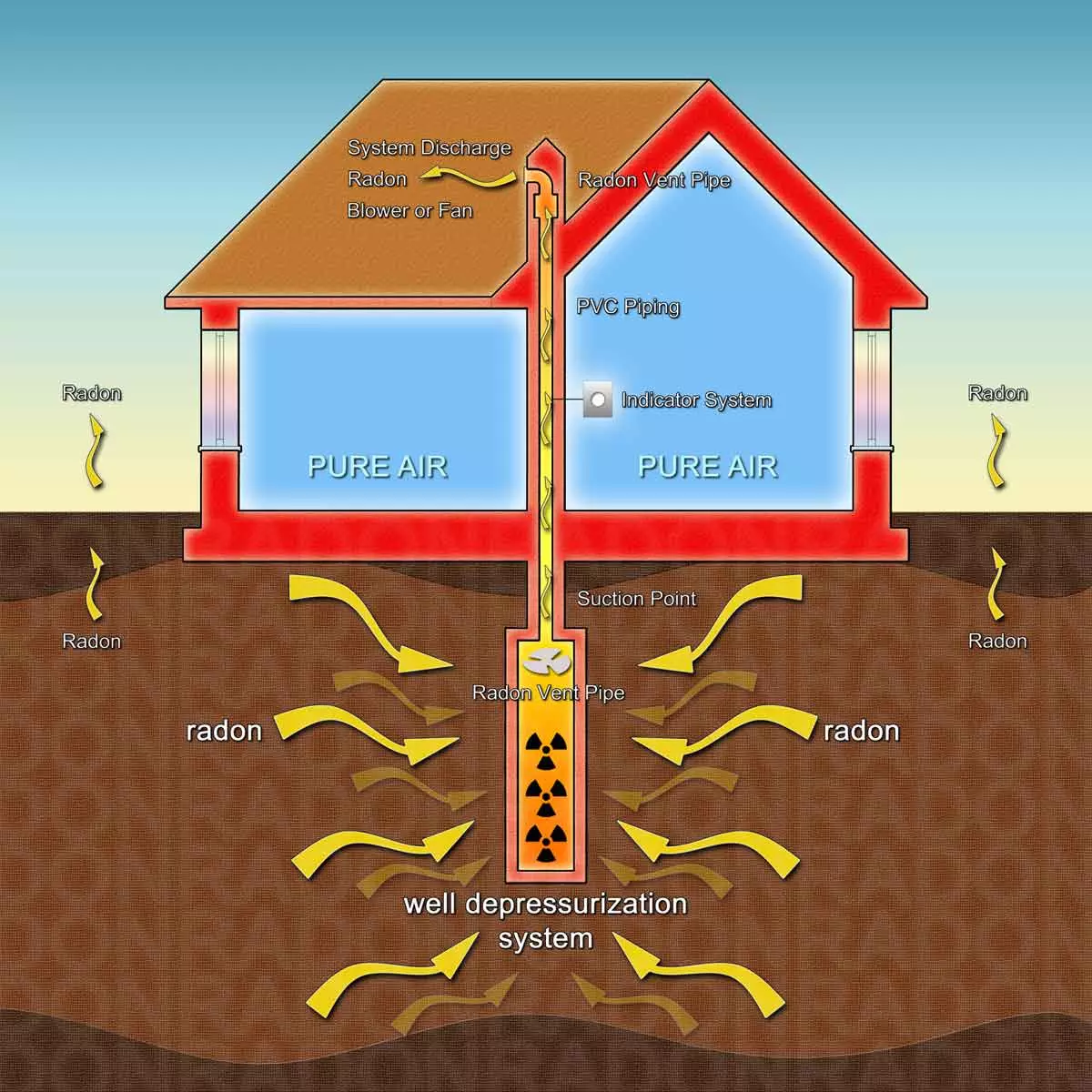
Radon mitigation is more than just a home improvement — it’s a vital health and safety investment. Especially in areas like Ottawa, where soil conditions, weather patterns, and building practices can influence radon risk, choosing the right contractor to install or maintain your mitigation system matters enormously.
When you begin to explore radon mitigation for your home, one of the first decisions you face is: should I hire a local contractor — someone operating in the Ottawa area — or go with a larger national service company?
Both options have pros and cons. The “right” choice depends on your home’s specific conditions, your risk tolerance, your priorities (cost, reliability, long‑term service), and how important personalized/local knowledge is to you.
This article walks you through a comprehensive comparison — what to expect from local contractors vs national companies, what to look out for, and how to decide which kind of provider is best for your home and peace of mind.
What Is Meant by “Local Contractor” and “National Service”?
Before diving into comparisons, it helps to define terms clearly.
- Local contractor — a radon mitigation professional in ON or small company based in or near Ottawa (or your region), with a primarily local service area, often serving nearby homes. They are likely to have experience with local soil, climate, and typical house/foundation types.
- National service company — a larger company or franchise that operates over wide geographic areas (multiple provinces or entire countries). They may serve clients across many cities including Ottawa, often with standardized processes, corporate structure, and potentially more resources.
Each model has trade‑offs. In radon mitigation — where geology, soil, weather, foundation type, and correct installation matter — these trade‑offs become especially relevant.
Pros of Hiring a Local Contractor in Ottawa
✅ Deep Local Knowledge & Familiarity with Regional Conditions
- Local contractors are more likely to understand soil types, typical foundation styles, building codes, and climate challenges in the Ottawa area — including cold winters, freeze–thaw cycles, soil moisture, sump‑pump basements, older foundations, and drainage conditions. This means their mitigation plans tend to be more tailored and effective.
- Because they work in the local community regularly, they likely have prior experience with homes similar to yours — which helps in diagnosing sub‑slab conditions, known radon entry paths, and common pitfalls.
✅ More Personalized Service, Better Communication & Accountability
- Local contractors often offer better communication, faster responses, and easier follow-up, since they’re nearby and accessible. When you have questions, need maintenance, or want re-checks, a phone call or site visit is often easier than dealing with a remote corporate office.
- Because their reputation depends on local reviews and word‑of‑mouth, they may be more motivated to do high-quality work, provide transparent estimates, and honor warranties or post‑mitigation checks.
✅ More Flexibility, Potential for Better Value & Lower Overhead Costs
- Local providers often have lower overhead costs, and don’t need to absorb large corporate admin expenses — sometimes leading to more competitive pricing for the same quality of work.
- Their ties to local suppliers and subcontractors often make procurement of materials easier and cheaper; plus, travel time and logistics are modest — which can lower total project cost.
✅ Easier to Maintain Long‑Term Relationship & Support
- If the system needs maintenance, fan replacement, post‑mitigation retesting, or adjustments — a local contractor can respond faster, more reliably, and likely at lower cost than a remote company.
- For homeowners planning future renovations, basement finishing, or foundation updates — a local contractor who understands local conditions can adapt the mitigation system as needed, preserving effectiveness over years.
Potential Cons or Limitations of Local Contractors
While local contractors offer many benefits, there are some potential downsides to consider:
- Limited Resources or Capacity for Large or Complex Projects — A small local contractor might have fewer staff, limited equipment, or less ability to handle very large or complex jobs compared to bigger firms.
- Variable Specialization and Standardization — Not all local contractors may have standardized processes, formal certifications, or updated equipment. Quality may vary widely between providers, which means vetting becomes critical.
- Fewer Formal Packages or Warranty Options — Some local firms may not offer extensive warranties, nationwide follow-up services, or uniform quality guarantees that large national services provide.
- Availability & Scheduling Constraints — Because they serve a limited region and may cater to many types of jobs (not just radon), their schedules may fill up quickly or cause delays.
Thus — while local contractors often excel for personalized, locally‑attuned mitigation — the quality difference between good and mediocre local providers can be significant.
Pros of Hiring a National Radon Mitigation Service Company
Using a national-level company for radon mitigation has its own set of advantages, especially for certain types of homes or homeowners. Key benefits include:
✅ Standardized Processes, Protocols & Proven Experiences
- National companies typically follow strict standardized methodologies for mitigation installation — suction points, vent routing, fan installation, sealing, quality control, post‑mitigation testing. This consistency can lower the risk of error or sub‑optimal installations.
- Their size often affords access to better equipment, bulk material procurement, and supply networks — which can translate to consistent material quality (radon-rated fans, durable PVC plumbing, sealing materials) and availability.
✅ Nationwide Warranty, Follow-Up Services & Long-Term Support
- Many national providers offer robust warranties, maintenance plans, and follow-up services — including fan replacement, re-testing, and support if radon levels rise again. This can reduce homeowner burden and provide peace of mind.
- Their corporate structure often ensures more predictable service continuity — staff turnover, documentation, liability insurance, and backing of larger organization reduce risk vs small teams that may disappear or change.
✅ Consistency — Useful for Multi‑Property Owners or Multiple Installations
- If you own more than one property, or plan to renovate multiple homes over time, working with a national company can ensure a standardized mitigation system across all properties, making maintenance, parts replacement, and record keeping easier.
- For new builds or newer houses with similar foundation styles, a national provider’s standardized install may match guidelines exactly, ensuring compliance and predictability.
✅ Perceived Professionalism & Risk Mitigation
- A larger company often feels like a safer “bet” — written contracts, liability insurance, formal documentation, established customer‑service systems. For some homeowners, especially those less comfortable supervising projects, this offers comfort and reduces perceived risk.
- National brands may have better ability to handle warranty claims, replacements, and follow‑up in case of fan failure, leaks, or changes to home structure.
Potential Downsides of National Services
Despite the advantages, national companies also have downsides — often related to lack of local adaptation or lower personal attention.
- Less Local Expertise & Sensitivity to Regional Conditions — A national firm may not be deeply familiar with Ottawa’s soil, climate, typical foundation types or local building codes. That lack of local context can lead to sub‑optimal design (vent stack path poorly suited for snow load, plumbing or sump-pit design compatible with local blocks, inadequate sealing for freeze‑thaw).
- Less Personalized Service — You Might Be “One of Many” — Large companies often treat clients as jobs on a long list. Communication can be slower, follow-up less personal, and small adjustments or concerns might get neglected or deprioritized.
- Less Flexibility & Higher Overhead Costs — Standardized packages may not suit every home; customization or special requests (e.g. unusual foundation, crawlspace, sump pit setups) might be harder or expensive. The overhead of a national company may translate to higher cost than necessary for a simple mitigation job.
- Potential Delays or Scheduling Constraints — Because national providers manage many projects across wide regions, scheduling may not be as responsive or flexible as a local contractor who can revisit quickly if issues arise.
What Homeowners in Ottawa Should Evaluate — Key Decision Factors
Given the trade‑offs between local and national providers, here are the critical factors you should evaluate before selecting a radon mitigation contractor:
FactorWhy It Matters
Local soil/foundation/house type & climate adaptation Ottawa’s soil, foundation types, winters with freeze–thaw cycles, sump‑pump basements, block walls — a contractor familiar with these is more likely to deliver effective mitigation.
Customization & tailored mitigation plan Every home is different — sub-slab soil permeability, sump pits, drains, slab cracks, plumbing / wiring penetrations — a one‑size‑fits‑all approach can fail.
Quality of materials (fan, piping, sealing) Using radon-rated fans, durable PVC, winter‑rated seals and proper vent routing ensures long-term effectiveness; shortcuts can lead to failure or maintenance headaches.
Post‑installation verification & warranty/follow‑up Radon mitigation isn't “install & forget.” You need testing, maintenance, possible follow‑up. A provider that offers guarantee and support adds value.
Communication, responsiveness, local presence For troubleshooting, re-testing, maintenance — being able to contact contractor easily and get timely support matters.
Cost transparency vs hidden fees A detailed quote with breakdown (labor, suction points, sealing, fan, piping, post‑test) helps compare offers realistically. Cheap estimates with vague scope often conceal poor work.
Long-term reliability and record‑keeping For resale, home value, future inspections — having proper documentation, test records, installation plans matter.
Use these factors to compare any contractor — local or national — and decide which matches your home’s needs and your expectations best.
Realistic Scenarios: Which Option Fits Which Type of Homeowner
Here are sample scenarios that illustrate when a local contractor is likely better — and when a national service might be preferable.
Scenario 1 — Older Home with Sump Pit Basement + Mixed Drainage + Ottawa Soil/Weather Challenges
In this case, a local contractor is often best. Their familiarity with local soils, sump‑pit issues, freeze–thaw, and drainage nuances helps them design a custom mitigation plan (sump-suction or sub‑slab + sealing) tailored to your house. Their local presence means easier maintenance, quicker follow-ups if you need adjustments, and better adaptation to Ottawa winters.
Scenario 2 — Newer Build, Standard Basement Slab, No Sump or Drain Tile, Single-Family Home
A national service company could work well here — especially if they offer a straightforward sub‑slab depressurization system, standardized install, and warranty. The simplicity reduces need for customization or local knowledge; standardized systems can be efficient and reliable.
Scenario 3 — Investor or Multi‑Property Owner with Several Homes Across Regions
Using a national firm may provide consistency across all properties: similar installation standards, uniform documentation, predictable maintenance and warranty structure. This simplifies management compared to hiring different local contractors for each home.
Scenario 4 — Homeowner Prioritizing Budget, Customization, and Long-Term Relationship
A local contractor often delivers the best balance of personalized service, transparency, and local adaptation — reducing upfront cost, simplifying communications and maintenance, and building a long-term working relationship.
Scenario 5 — Homeowner Wanting Peace of Mind, Established Brand, Formal Warranty, Less Hands‑On
If you prefer a “big‑name” company that provides formal contracts, nationwide warranty, and a sense of professionalism with less personal involvement — a national service may suit you better.
What to Ask When Interviewing Either Local or National Radon Mitigation Providers
When you contact radon mitigation companies — whether local or national — use a consistent set of questions/criteria to compare fairly:
- What mitigation method do you propose for my foundation type and soil conditions?
- How many suction points will you use, and why?
- What type of radon-rated fan and PVC vent piping will be installed — model, capacity, durability, insulation for cold climate?
- How will vent stack be routed (attic, exterior wall, roof)? How will you ensure discharge above roofline and away from windows/air intakes?
- Which sealing measures will be applied — floor-wall joints, sump pits, cracks, penetrations, block walls (if present)?
- Do you include post-installation radon testing? Long-term monitor? If radon remains high, what’s the remediation policy / warranty?
- What is the cost breakdown — labor, materials, fan, piping, sealing, testing? Any hidden fees (e.g., access, drilling, extra suction points)?
- What maintenance and follow-up services do you offer — fan checks, replacements, retesting, yearly inspection?
- Do you have liability insurance, workmanship guarantee, and certification/training for radon mitigation?
- Can you provide references from previous local clients (especially with similar home/foundation type)?
Use these questions as a screening tool — and insist on written proposals rather than verbal estimates.
Red Flags to Watch Out For — Common Mistakes & What They Mean
When comparing providers, certain signs should raise concern — whether from local or national companies. Be cautious if you notice:
- Vague quotes: “We’ll put in a suction system and vent it outside” — without specific suction points, fan model, sealing plan, or testing commitment.
- No post-installation testing or only passive vents/fans without guaranteed performance — radon mitigation must be verified by testing to be trustworthy.
- Lack of local knowledge: not familiar with Ottawa climate, typical soil/foundation issues, or typical radon entry paths in local homes.
- Low-quality materials: non–radon-rated fans or cheap PVC, poor sealing, lack of insulation for vent pipes — all could reduce long-term reliability, especially in cold or damp conditions.
- No warranty or follow-up option — meaning if the system fails or radon levels rise, you may need to pay again for fixes.
- Poor communication, delays, or reluctance to explain details — likely to cause headaches later, particularly when maintenance or troubleshooting is needed.
If any of these warning signs appear, treat the quote with skepticism.
Read: Top 10 Benefits of HVAC Maintenance
Long-Term Considerations — Maintenance, Retesting & Future Flexibility
Radon mitigation is not a “set and forget” fix — it is a long-term system requiring upkeep, monitoring, and occasional updates. When comparing local vs national providers, consider long-term implications:
- Maintenance & follow-up frequency: A local contractor may be more responsive for yearly checks, vent cleaning, fan replacement — easier given proximity.
- Adaptability for renovations: If you renovate or finish your basement, add plumbing, or change HVAC — a local contractor familiar with your setup can adapt mitigation more easily.
- Standardization and record‑keeping: A national company may provide better documentation, warranty records, and standardized work history — useful for resale or property transfer.
- Availability of replacement parts / fan units: Larger companies often have inventory or access to parts; local firms might need to order parts, leading to delays.
- Reliability under local climate stress: Winters, freeze–thaw, damp summers — local providers with experience in Ottawa are more likely to anticipate and design for these.
Weigh these long-term factors as carefully as upfront cost when selecting a provider.
My Recommendation — Which Option Often Makes Most Sense in Ottawa
Based on the factors above, for most homeowners in Ottawa — especially with older houses, basements with sump pits, block walls, or typical soil/ foundation challenges — hiring a well‑vetted local contractor tends to offer the best balance of value, customization, responsiveness, and long-term support.
That said, a national service company may be a good fit if: your house is relatively standard, you value formal warranties and consistent national‑level procedures, or if you own multiple properties and want standardized mitigation across all.
Ultimately — the best choice depends on your specific home, foundation, soil conditions, your tolerance for risk, and what you value more: personalized local expertise or standardized process and corporate structure.
Checklist to Use When Comparing Local vs National Radon Mitigation Services
Here’s a quick reference checklist you can use when getting quotes and evaluating providers:
- Foundation & soil evaluation specific to Ottawa climate
- Proposed mitigation method suited to foundation (sub‑slab, sump suction, block-wall suction, etc.)
- Detailed quote: suction points, fan model, vent stack routing, sealing scope, post‑test included
- Material quality: radon-rated fan, durable PVC, winter‑rated sealing/insulation
- Post‑installation verification: short-term and/or long-term radon test promise
- Warranty & follow-up service: fan warranty, maintenance plan, retest guarantee
- Communication, responsiveness, local references or portfolio
- Documentation & record‑keeping for future reference or resale
- Cost breakdown & transparency, no vague or “package” deals without specifics
- Long-term support & ability to handle maintenance, changes, upgrades
Use this checklist to compare any local or national provider objectively.
Conclusion: Making the Right Choice — Not Just Cheap or Big, But Smart & Safe
Radon mitigation is not a trivial cosmetic upgrade. It’s a serious investment in your family’s long-term health and home safety. That means choosing the right contractor — one that does not just “install a fan and pipe,” but plans thoughtfully, seals thoroughly, uses quality materials, and commits to long-term performance and maintenance.
Whether you go with a local contractor or a national service depends on factors like your home’s foundation, soil conditions, how much customization is needed, how important local climate adaptation is, and whether you value personalized service or corporate consistency.
For many Ottawa homeowners, a carefully vetted local contractor offers the best mix of knowledge, adaptability, value, and long-term support. For others — especially those with multiple properties or preference for standardization — a national service may make sense.
But the decision shouldn’t be about price alone — or brand name alone. It should be about quality, transparency, long-term reliability, and suitability to your home’s needs. By comparing providers with a clear checklist, asking the right questions, and demanding written plans, you can ensure your radon mitigation system is a real, dependable defense — not a temporary patch or marketing promise.