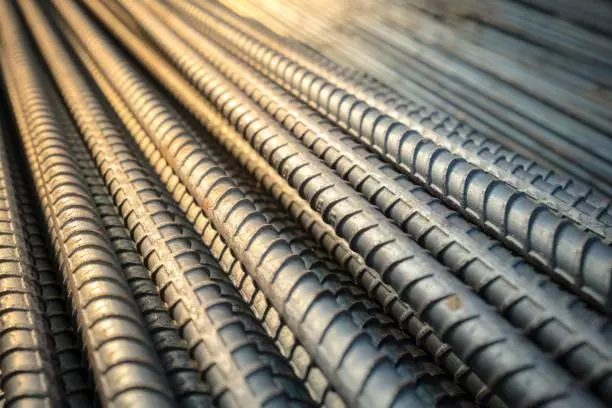
Quality rebar - essential foundation materials for successful construction projects!
In the realm of construction, structural integrity begins beneath the surface. Reinforcing bar, commonly known as rebar, is one of the most critical components in building durable and long-lasting structures. Whether used in residential foundations, commercial buildings, or large-scale infrastructure, quality rebar for sale near me forms the unseen backbone that supports concrete under tension. For any contractor or builder aiming for a successful outcome, sourcing high-quality rebar is not optional - it’s essential.
Rebar is primarily used to increase the tensile strength of concrete, which, while strong under compression, is relatively weak when subjected to tension or bending. By embedding steel rebar within concrete, the two materials work together to withstand various forces, including weight loads, ground shifts, and environmental stresses.
This synergy is what makes reinforced concrete such a fundamental building material worldwide. However, the performance of this composite system depends heavily on the quality of the rebar used.
High-grade rebar is manufactured to meet rigorous industry standards, ensuring consistency in composition, strength, and ductility. The most common types of rebar are made from carbon steel and are available in a range of grades, such as ASTM A615 Grade 60, which is widely used in structural applications.
The ribbed surface of rebar provides mechanical anchorage within the concrete, preventing slippage and improving bond strength. Substandard rebar - often lacking uniform ridging or made from inferior alloys - can compromise the integrity of an entire project, leading to costly repairs or even structural failure.
When sourcing rebar for sale, contractors must consider several key factors: material quality, availability, compliance with local building codes, and supplier reputation. Reliable suppliers will provide mill certificates, showing that their products meet applicable ASTM or international standards. These certificates detail the chemical composition and mechanical properties of the steel, allowing engineers and inspectors to verify compliance with design specifications.
Another important consideration is the type of rebar needed for the specific project. In addition to standard carbon steel rebar, other varieties include epoxy-coated rebar for corrosion resistance, stainless steel rebar for marine environments, and fiberglass rebar for non-conductive or lightweight applications. The correct type of rebar can significantly extend the lifespan of a structure, especially in aggressive environments where exposure to salt, moisture, or chemicals is a concern.
Timely availability and delivery logistics are also crucial in construction planning. Delays in rebar procurement can lead to project setbacks and increased labor costs. Many suppliers now offer cut-to-size and pre-bent rebar services, streamlining on-site installation and reducing waste.
These value-added options save time and improve accuracy, particularly on projects with complex reinforcement layouts. Bulk orders and delivery schedules should be carefully coordinated with the supplier to align with construction phases and avoid storage issues on site.
In today’s construction market, price is often a determining factor in purchasing decisions - but it should never outweigh quality. Low-cost rebar that fails to meet strength or corrosion-resistance standards may seem like a bargain upfront, but it can lead to hidden costs down the road.
Cracking concrete, reinforcement failure, and compromised structural safety can result from poor-quality materials, necessitating repairs that far exceed the initial savings. Investing in certified, quality rebar is not just a matter of compliance - it’s a matter of safety and long-term value.
Environmental impact is also an emerging consideration when selecting rebar. Many manufacturers now produce rebar using recycled steel, reducing the demand for virgin materials and aligning with sustainable construction practices. Builders seeking LEED certification or other environmental credentials should verify that their chosen rebar products support these initiatives.
Finally, high-quality rebar is the hidden hero of construction, playing a vital role in the strength, stability, and longevity of concrete structures. From compliance with building codes to resistance against environmental wear, choosing the right rebar for sale near me supplier and product can make or break a project’s success.