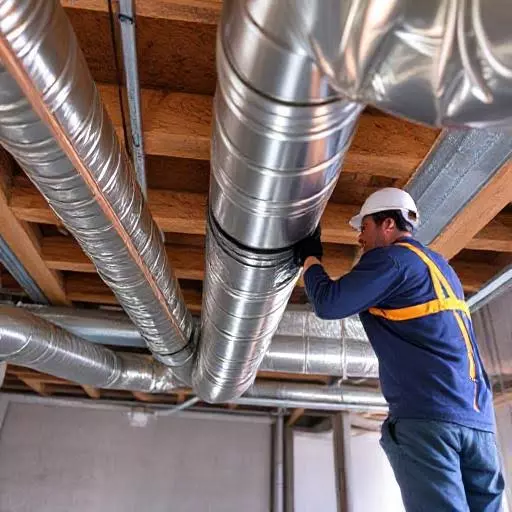
Quality HVAC Ducting Installation That Reduces Energy Use
Quality HVAC & Ducting Installation that saves energy.Most people blame their thermostat, their old heat pump, or the blistering summer weather outside.
They're wrong. The real criminal hides right behind your drywall, silently bleeding cash every single single second your system runs.
We're talking about your metal air pathways. A messy, poorly sealed setup forces your system to run twice as long just to keep your living room comfortable. If you want to stop burning money, you need a quality HVAC & Ducting Installation that reduces energy use from day one.
Oh, and if you’re also auditing your entire building's safety footprint this season, don't forget that a proper fire fighting installation protects your property while these air systems keep you cool.
The Invisible Cash Bleed Behind Your Walls
Let's look at the raw data. The US Department of Energy states that the average home loses roughly 20 to 30 percent of its conditioned air through holes, bad seals, and poor connections.
Think about that. You pay for five rooms' worth of cold air, but you only get four. The rest dumps directly into your attic or crawlspace.
This happens because air follows the path of least resistance. If a seam opens up even a fraction of an inch, high pressure forces the air right out.
Your air conditioner then works overtime. It runs longer cycles. It breaks down years ahead of its time.
Anatomy of a Terrible Duct System
Most contractors rush their jobs. They use cheap materials, slap things together with standard gray tape, and leave before the customer notices.
The Duct Tape Lie
Standard duct tape is a scam. It dries out, loses its grip, and falls off within a couple of years.
True professionals don't rely on it. We use heavy-duty mastic sealant or foil-faced tapes with specialized acrylic adhesives.
Sharp Turns and Kinks
Air flows like water. If you force water through a kinked garden hose, pressure drops instantly.
Cheap flexible ducts often get crushed or twisted during a lazy installation. These kinks act like tiny dams inside your ceiling, choking the airflow and putting massive back-pressure on your fan motor.
The Direct Benefits of Precision Engineering
When an expert designs your layout, everything changes. You don't just save money; your entire living experience improves.
Even Temperatures Everywhere
You know that one back bedroom that always feels like a sauna? That's a classic symptom of poor duct pressure design.
Balanced duct runs ensure equal air delivery across the entire house. No more fighting over the thermostat settings.
Whisper-Quiet Operation
A noisy system means your air is crashing into sharp metal corners or struggling through narrow tubes. Proper sizing drops the velocity to a gentle, silent purr.
You shouldn't hear your system working. You should only feel the comfort.
Material Choices That Actually Matter
What goes into your ceiling determines how long your savings last. You can't just pick the cheapest option at the local hardware store.
Duct Material
Typical Lifespan
Thermal Efficiency
Best Application
Galvanized Sheet Metal
20-30 Years
Low (Needs Insulation Wrap)
Main trunks, commercial spaces, high-pressure runs
Fiberglass Duct Board
15-20 Years
High (Built-in Insulation)
Quiet residential branches, low-velocity zones
Flexible Aluminum
10-15 Years
Medium (Must be pulled tight)
Short connections to vents, tricky tight corners
Read: Rapid Response Systems in Shear Controls
How Smart Layout Planning Slashes Your Bills
Good installation isn't just about sealing holes. It's about smart geometry.
Short, Direct Runs
The further air travels, the more energy it loses. Friction slows it down, and ambient heat changes its temperature.
Smart installers position the main air handler right in the center of the building structure. This keeps every single duct run as short as humanly possible.
Sizing It for Real Life
If a duct is too small, the air chokes. If it's too big, velocity drops, and the air stays stagnant.
We use specialized formulas called Manual D calculations to find the exact sweet spot for your specific square footage. Anything less is pure guesswork.
The Hidden Threat to Your Air Quality
Leaky ducts don't just let air out. They also pull nasty stuff in.
The Attic Vacuum Effect
When your return ducts leak, they pull air from unconditioned spaces like dirty crawlspaces or dusty attics.
This means your family breathes in fiberglass insulation fibers, rodent droppings, and mold spores every single day. A sealed system acts like a closed loop, keeping those contaminants away from your lungs.
Humidity Control
Leaky pathways pull in humid outdoor air during hot summer months. Your AC then spends valuable energy pulling moisture out of the air instead of dropping the temperature.
Get the seal right, and your home dries out naturally, making it feel way cooler at higher temperatures.
Signs Your Current Setup is Failing
You don't need to tear down your walls to know you have a problem. Keep an eye out for these red flags.
- Excessive dust coating your coffee tables just hours after cleaning.
- A sudden spike in your utility bills compared to the same month last year.
- Rattling or whistling noises whenever the system kicks into gear.
- Rooms that refuse to cool down, no matter how low you set the thermostat.
Frequently Asked Questions
Can I just seal my own accessible ducts with hardware store spray?
You can seal exposed basement pipes with mastic paste, but you can't reach the hidden leaks be
How long does a full, high-quality duct installation take?
A professional crew usually takes two to three days to completely rip out old lines and install a properly balanced system in a standard home.
Will fixing my ducts really lower my power bill immediately?
Yes, most property owners see a drop of 15% to 25% on their very next billing cycle after eliminating major duct leakage.
How often do clean, well-installed ducts need to be replaced?
A well-engineered sheet metal system easily lasts over 20 years if you change your filters regularly and keep moisture out of the lines.
What is duct mastic and why is it better than tape?
Mastic is a thick, flexible paste that you paint onto joints; it hardens into a permanent rubbery seal that never dries out or peels off.