When Should You Replace Your Air Ducts After Pure Air Duct Cleaning in Charleston
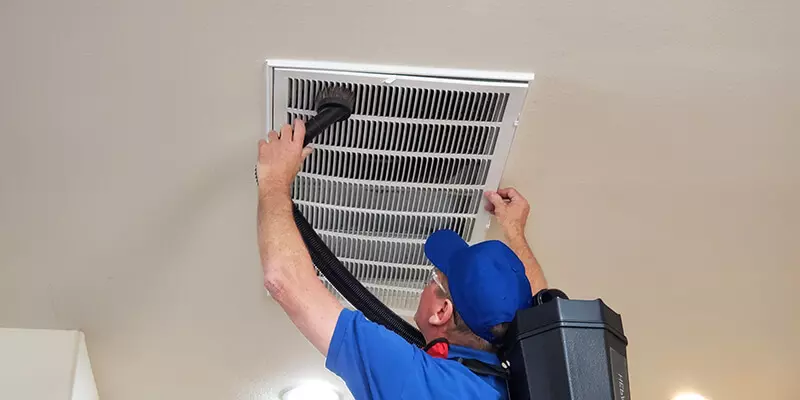
Living in Charleston, we’re all pretty familiar with the battle against dust, humidity, and the occasional pollen invasion. If you just had your air ducts professionally cleaned by Pure Air Duct Cleaning, you’re probably breathing easier already. But that leads to a new question—how do you know when it’s time to actually swap out those old air ducts for new ones? Let’s walk through the signs, the benefits, and some practical tips for keeping your home’s air fresh and safe.
“Clean air is not just about what you see, but what you feel—sometimes, the freshest breeze comes from what’s hidden behind your walls.”
Key Features: What Makes Healthy Air Ducts?
Air ducts are kind of like the lungs for your house—they move air from your heating and cooling system into each room. After a solid cleaning, they should be free from dust bunnies, mold patches, and any stray pet hair. But even if they look neat and tidy right now, some warning signs mean they’re past their prime.
Material condition – Check for rust, holes, or sagging sections—these are all signs of wear and tear.
Airflow quality – If you notice weak airflow in certain rooms, the ducts might be blocked, crumpled, or disconnected.
Noise level – Loud rattling, banging, or whistling noises can mean ducts are loose or damaged.
Persistent odors – Unpleasant smells that linger even after cleaning may hint at deeper problems in the ductwork.
Age of system – Ducts older than 15–20 years are more likely to have hidden leaks or contamination.
Safety: Protecting Your Home and Family
Clean ducts are a great start, but if your duct system is old or damaged, it could be letting in things you don’t want—like mold spores or even critters. If you spot any black or green patches in or around your vents, or if your family keeps getting sick for no clear reason, it might be more than a cleaning issue. Sometimes, ductwork can get so damaged that it becomes unsafe, especially if it’s made of older materials that start to break down or harbor bacteria.
Safety isn’t just about what you see, but what you can’t see. If you smell mustiness, or if you spot water stains on your ceiling, it could be a sign your ducts are leaking or have been exposed to moisture. In these situations, replacing the ducts is often the safest way to protect your family from allergens, mold, and poor air quality.
Cost: Balancing Your Budget and Health
Let’s be honest—no one really wants to spend money on replacing something hidden in their walls or attic. But sometimes, patching up old ductwork over and over ends up being more expensive (and more stressful) than simply installing new ducts.
If you’re noticing that your energy bills are creeping higher, or if you keep calling in for repairs, those costs can add up fast. New ducts can actually help lower your monthly expenses by making your heating and cooling system work more efficiently. Think of it like investing in a good mattress—you don’t see it every day, but it sure makes a difference in how you feel.
Emergency Service: When to Act Fast
Sometimes things just can’t wait. If you hear a sudden loud noise, notice a strong burning smell, or see visible smoke or leaks coming from your vents, it’s time to call for emergency help—don’t hesitate. Rapid changes in indoor air quality, especially if someone in your house has allergies or breathing issues, can mean a serious problem with the ductwork. In cases like these, replacing the ducts right away is the safest choice.
Even after a professional cleaning, if your system keeps having these problems, it could mean the damage is too deep for a simple fix. Charleston’s weather can also be tough on ductwork, so keep an eye (and nose) out for anything unusual, and don’t gamble with your family’s well-being.
FAQs: Your Top Questions Answered
Q: How often should I have my air ducts checked after a cleaning?
It’s a smart idea to get a professional inspection every couple of years, especially if your home is older or if you notice any airflow or allergy issues.
Q: Can’t I just keep cleaning the ducts instead of replacing them?
Cleaning works wonders for maintenance, but if your ducts are falling apart, full of holes, or made of outdated materials, replacement is usually the better (and safer) option.
Q: Are there warning signs that mean I need to replace my ducts ASAP?
Yes—look out for mold, persistent musty smells, strange noises, weak airflow, or big jumps in your energy bills. If you spot these, get an expert’s opinion soon.
Q: Will new air ducts really help with allergies?
Absolutely. New, clean, properly sealed ductwork can make a huge difference in reducing dust, pollen, and other allergens in your home.
Conclusion: Breathing Easy in Charleston
After a thorough cleaning, your air ducts should keep your home comfortable for years. But if you notice stubborn problems, odd smells, or just can’t shake the feeling that something’s off, it might be time to think about replacing your ductwork.
Fresh air is one of the best gifts you can give your home and family, so keep an eye (and a nose) out for trouble, and don’t hesitate to call in the pros if you’re unsure. In Charleston’s ever-changing climate, a little attention to your air ducts today can mean healthier, happier breathing tomorrow.
Read More: Charleston Air Duct Cleaning