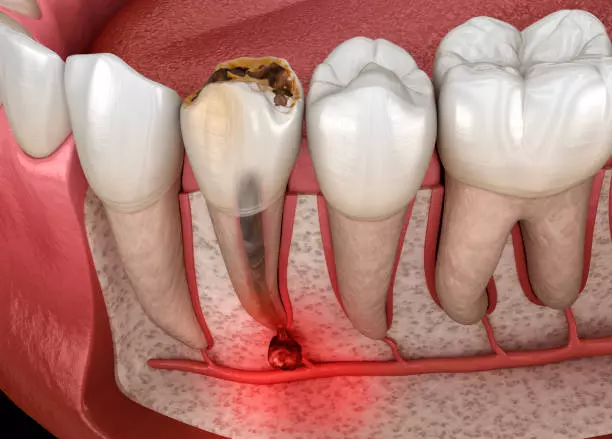
Pulp Pathology: Reversible vs Irreversible Pulpitis
Toothache is one of the most frequent reasons why patients seek dental care—and, more often than not, the cause is deep within the pulp.
It is essential to have a clear understanding of pulp pathology, and the distinction between reversible and irreversible pulpitis, in particular, is of the utmost importance for correct diagnosis and treatment.
In this article, we will explain pulpitis in a simple, practical, and human-focused manner to help you understand the difference between reversible and irreversible pulpitis and why this distinction is so important.
Understanding Dental Pulp and Pulp Pathology
The dental pulp is the soft tissue that is found at the center of the tooth. It consists of nerves, blood vessels, and connective tissue. The dental pulp has an important role in the development of the tooth, nutrition, and sensation.
What Is Pulp Pathology?
Pulp pathology refers to diseases and inflammatory conditions affecting the dental pulp, most commonly caused by:
- Dental caries
- Trauma
- Cracked teeth
- Repeated dental procedures
- Thermal or chemical irritation
When the pulp becomes inflamed, the condition is known as pulpitis.
What Is Pulpitis?
Pulpitis is an inflammatory response of the dental pulp to injury or irritation. Depending on the severity and extent of inflammation, pulpitis is classified into:
- Reversible pulpitis
- Irreversible pulpitis
Distinguishing between the two is essential because treatment approaches differ completely.
Reversible Pulpitis: When the Pulp Can Heal
What Is Reversible Pulpitis?
Reversible pulpitis is a mild and early form of pulp inflammation in which the pulp is still healthy enough to heal once the irritant is removed.
Common Causes of Reversible Pulpitis
- Early dental caries
- Exposed dentin
- Recent restorations
- Mild tooth wear or erosion
Clinical Symptoms
Patients with reversible pulpitis often report:
- Short, sharp pain triggered by cold or sweet stimuli
- Pain that subsides quickly once the stimulus is removed
- No spontaneous pain
Diagnostic Features
- Normal or slightly exaggerated response to vitality tests
- No lingering pain
- No tenderness to percussion
Treatment of Reversible Pulpitis
The goal is to remove the irritant and preserve pulp vitality, which may include:
- Caries removal and restoration
- Replacement of faulty restorations
- Use of desensitizing agents
- Protective liners or bases
With proper treatment and access to quality restorative materials—readily available through platforms like Dentalkart—the pulp can return to a healthy state.
Irreversible Pulpitis: When Damage Cannot Be Repaired
What Is Irreversible Pulpitis?
Irreversible pulpitis is when the inflammation is so severe that the pulp cannot heal even if the irritant is removed. At this point, the pulp tissue is irreversibly damaged.
Common Causes of Irreversible Pulpitis
- Deep dental caries
- Long-standing untreated reversible pulpitis
- Cracked or fractured teeth
- Extensive restorations
- Trauma causing pulp exposure
Clinical Symptoms
Symptoms of irreversible pulpitis are often more intense and distressing:
- Spontaneous pain without stimulus
- Prolonged pain to hot or cold stimuli
- Pain that lingers for minutes or hours
- Pain that worsens at night
- Difficulty localizing the affected tooth
Diagnostic Features
- Exaggerated and lingering response to thermal tests
- Possible tenderness to percussion
- No relief after stimulus removal
Treatment of Irreversible Pulpitis
Because the pulp cannot recover, treatment options include:
- Root canal therapy (to remove inflamed pulp tissue)
- Tooth extraction (if the tooth is non-restorable)
- Pain relief without definitive treatment is temporary and ineffective.
Key Differences: Reversible vs Irreversible Pulpitis
Feature
Reversible Pulpitis
Irreversible Pulpitis
Nature of inflammation
Mild and localized
Severe and widespread
Pain duration
Short, sharp, non-lingering
Prolonged and spontaneous
Response to stimuli
Pain stops once the stimulus is removed
Pain persists after stimulus removal
Pulp healing potential
Yes, pulp can recover
No, pulp cannot heal
Treatment approach
Conservative restoration
Root canal treatment or extraction
Why Accurate Diagnosis Matters
Misdiagnosing pulpitis can lead to:
- Unnecessary root canal treatment
- Continued pain and patient discomfort
- Progression to pulp necrosis and apical pathology
A careful evaluation of patient history, clinical examination, and pulp vitality testing is essential for correct diagnosis.
Read: Root Canal Dental in Cambridge: When You Need It
Role of Early Intervention in Pulp Pathology
Early detection of pulp inflammation can mean the difference between:
- Saving the pulp with simple restorative care
- Losing pulp vitality and requiring endodontic treatment
Educating patients about early dental visits and prompt treatment of caries plays a vital role in preventing irreversible pulp damage.
Conclusion
Understanding the difference between reversible and irreversible pulpitis is fundamental in managing pulp pathology effectively.
While reversible pulpitis offers a chance for healing with conservative treatment, irreversible pulpitis demands more definitive intervention to relieve pain and prevent further complications.
Accurate diagnosis, timely treatment, and patient education are the keys to preserving tooth structure and maintaining long-term oral health.