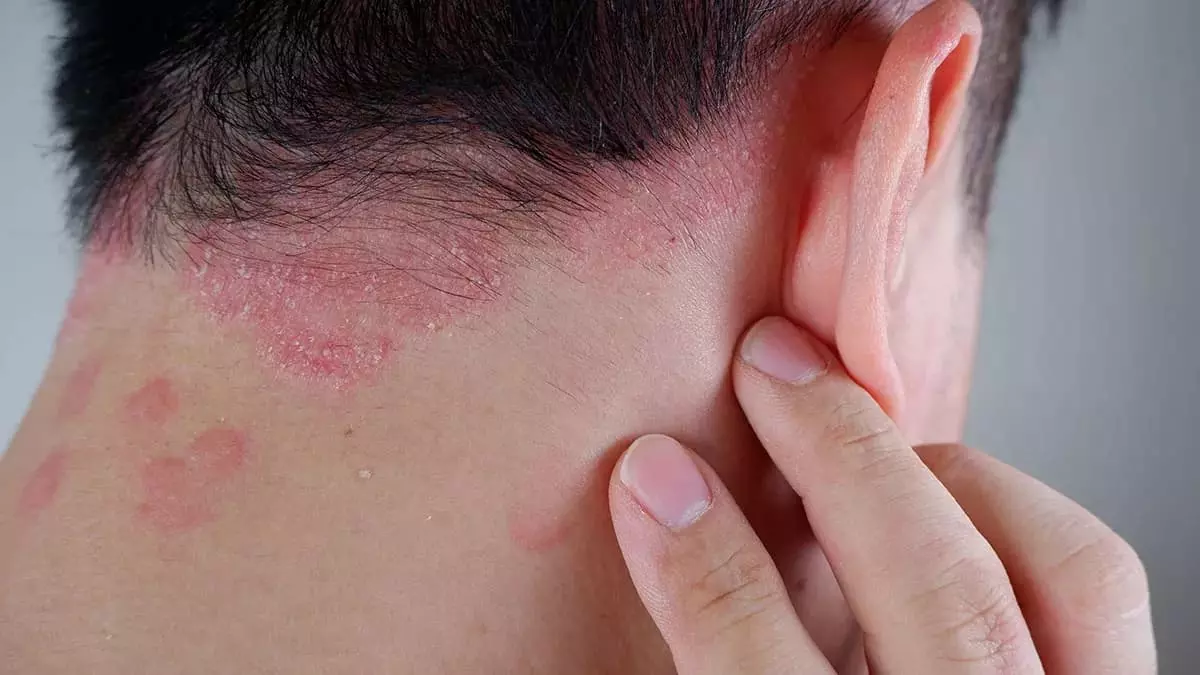
Psoriasis: What It Is, Symptoms, Causes, Types & Treatment
What Is Psoriasis? A Deeper Look Into This Chronic Skin Condition
Psoriasis is not just a rash or a skin irritation—it's a chronic autoimmune condition that causes skin cells to multiply up to ten times faster than normal. This rapid buildup leads to thick, red, scaly patches on the skin, most commonly on the elbows, knees, scalp, and lower back. Though it's not contagious, its visible nature can make those who have it feel self-conscious or frustrated. Psoriasis tends to go through cycles, flaring for a few weeks or months, then subsiding.
Why Does Psoriasis Occur? Understanding the Root Cause
At its core, psoriasis is caused by an overactive immune system. The body mistakenly attacks healthy skin cells, thinking they're invaders. This immune response triggers inflammation and an accelerated skin cell production cycle. Genetics and environmental factors like stress or infections can further trigger or worsen symptoms.
Common Symptoms of Psoriasis You Should Never Ignore
While the appearance of psoriasis can vary from person to person, some common symptoms include:
· Red patches of skin covered with thick, silvery scales
· Dry, cracked skin that may bleed
· Itching, burning, or soreness around patches
· Thickened, pitted, or ridged nails
· Stiff and swollen joints (in psoriatic arthritis)
Early recognition helps manage flare-ups effectively and prevent complications.
Types of Psoriasis: Knowing the Difference Matters
Psoriasis isn’t one-size-fits-all. There are several types, each with its unique traits and severity.
Plaque Psoriasis (Psoriasis Vulgaris)
This is the most common type, affecting about 80–90% of those with psoriasis. It causes raised, inflamed, red lesions covered with silvery-white scales. It usually appears on the elbows, knees, scalp, and lower back.
Guttate Psoriasis
This form often begins in childhood or young adulthood and appears as small, dot-like lesions. It can be triggered by bacterial infections like strep throat.
Inverse Psoriasis
Occurs in skin folds such as under the breasts, around the groin, or under the arms. It causes shiny, smooth, red patches and can be aggravated by sweat or friction.
Pustular Psoriasis
This rare form appears as white pustules surrounded by red skin. It can be localized or widespread and may require emergency care when severe.
Erythrodermic Psoriasis
The most severe and potentially life-threatening type. It causes widespread redness, severe itching, and skin that sheds in sheets. It needs immediate medical attention.
What Triggers Psoriasis Flare-Ups?
Psoriasis flare-ups are unpredictable but often linked to certain triggers. Knowing and avoiding these can greatly improve your quality of life.
Stress
One of the most common triggers. Stress management is essential to keeping flare-ups under control.
Infections
Infections like strep throat or skin infections can activate or worsen symptoms, especially guttate psoriasis.
Skin Injuries
Cuts, scrapes, bug bites, or even sunburns can cause a reaction known as the Koebner phenomenon, where new psoriasis lesions form at the injury site.
Medications
Some medications, like beta-blockers or lithium, can worsen psoriasis symptoms. Always inform your doctor if you have psoriasis before starting any new drug.
Weather Conditions
Cold, dry climates can dry out skin and exacerbate symptoms. Humid, warm weather often brings relief.
How Is Psoriasis Diagnosed?
Diagnosis typically involves a physical exam of your skin, scalp, and nails. Your doctor may also take a small skin biopsy to confirm the type of psoriasis and rule out other skin disorders like eczema or fungal infections.
Treatment Options: From Creams to Biologic Therapies
There is no cure for psoriasis, but many treatments can control symptoms and improve your skin’s appearance.
Topical Treatments
· Corticosteroids: Help reduce inflammation and itching.
· Vitamin D analogues: Slow down skin cell growth.
· Coal tar and salicylic acid: Reduce scaling and smooth the skin.
Phototherapy (Light Therapy)
Involves exposing skin to natural or artificial UV light under medical supervision. It can slow skin cell turnover and reduce scaling and inflammation.
Systemic Treatments
Used for moderate to severe psoriasis that doesn't respond to topicals or light therapy.
· Oral medications like methotrexate or cyclosporine suppress the immune system.
· Biologics target specific parts of the immune system. They’re given by injection and include drugs like adalimumab, ustekinumab, and secukinumab.
Natural Remedies and Lifestyle Tweaks That Can Help
Natural treatments can complement traditional medicine and ease symptoms.
· Aloe vera: Soothes redness and scaling.
· Oatmeal baths: Reduce itching and irritation.
· Apple cider vinegar: Helps relieve scalp itchiness.
· Omega-3 fatty acids: Found in fish oil, they reduce inflammation.
Living With Psoriasis: Mental and Emotional Impact
Psoriasis doesn’t just affect the skin—it can impact self-esteem, social life, and mental health. Depression and anxiety are more common in people with psoriasis. That’s why holistic care—including therapy and support groups—is just as important as physical treatments.
Psoriatic Arthritis: When Your Joints Are Involved
Up to 30% of people with psoriasis also develop psoriatic arthritis, which causes joint pain, stiffness, and swelling. Early diagnosis and treatment are essential to avoid permanent joint damage. If you experience joint symptoms along with your skin flare-ups, talk to a rheumatologist.
Psoriasis in Children vs. Adults
Psoriasis can appear at any age. In children, it may be mistaken for a diaper rash or cradle cap. Kids often get guttate or plaque psoriasis. Adults may experience more stubborn or widespread plaques. Treatments in children must be gentler but equally consistent.
When to See a Dermatologist
If your psoriasis is not improving with OTC creams, affecting your daily life, or you notice joint symptoms, it’s time to consult a dermatologist online through instacare. They can provide advanced treatments, manage flare-ups effectively, and help you avoid complications.
Conclusion
Psoriasis is more than just a skin issue—it's a chronic condition that affects the whole person. With proper treatment, self-care, and support, most people can manage their symptoms and live full, confident lives. The key lies in understanding your triggers, staying consistent with treatment, and seeking help when needed.
FAQs
1. Is psoriasis contagious?
No, psoriasis is not contagious. You can't catch it by touching someone who has it.
2. Can diet affect my psoriasis?
Yes. While not a cure, eating an anti-inflammatory diet (rich in omega-3s, fruits, and veggies) may help reduce flare-ups.
3. Does psoriasis ever go away completely?
There is no cure, but some people experience long periods of remission with the right treatment.
4. What’s the difference between psoriasis and eczema?
While both cause red, itchy skin, psoriasis tends to produce thicker plaques and more defined edges. Diagnosis by a dermatologist is crucial.
5. Can I wear makeup if I have psoriasis on my face?
Yes, but use hypoallergenic, non-comedogenic products and always remove them gently to avoid irritation.