PRP Therapy for Rotator Cuff Injuries
A nagging ache in the shoulder that prevents you from reaching for a shelf or sleeping comfortably is often the first sign of a rotator cuff injury.
For many, the traditional path to recovery has been a choice between long-term physical therapy or invasive surgery. However, regenerative medicine has introduced a third, highly effective option: Platelet-Rich Plasma (PRP) Therapy.
What is a Rotator Cuff Injury?
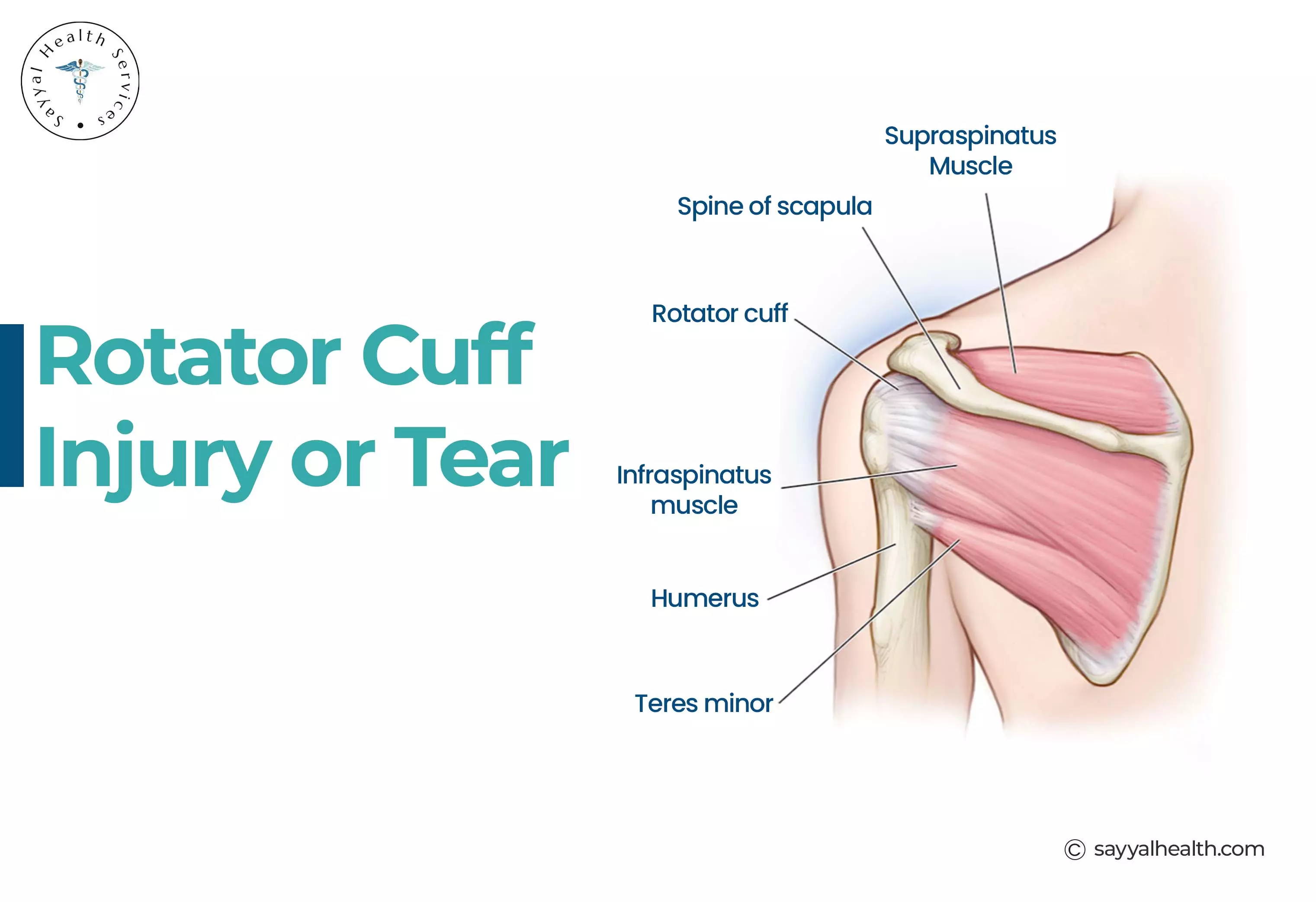
The rotator cuff is a group of four muscles and tendons that stabilize the shoulder joint and allow you to lift and rotate your arms. Because the shoulder is the most mobile joint in the human body, it is highly susceptible to wear and tear.
A rotator cuff injury can range from mild inflammation (tendonitis) to partial or complete tears. Common symptoms include:
- Dull ache deep in the shoulder.
- Weakness when lifting or rotating the arm.
- Disturbed sleep, especially if lying on the affected side.
- Cracking or popping sensations (crepitus) during movement.
What is PRP Therapy?
Platelet-Rich Plasma (PRP) therapy is a form of regenerative medicine that uses a concentrated dose of a patient’s own platelets to accelerate the healing of injured tendons, ligaments, and muscles.
Platelets are best known for their blood-clotting abilities, but they also contain hundreds of proteins called growth factors. These factors are critical in the healing process, signaling the body to repair damaged tissue and reduce inflammation.
How does it work?: The Science of Regeneration
The process involves a few simple steps:
Blood Collection: A small amount of blood is drawn from the patient (similar to a routine blood test).
Centrifugation: The blood is placed in a centrifuge, which spins at high speeds to separate the platelets from other blood components.
Injection: The concentrated platelet-rich plasma is injected directly into the site of the rotator cuff injury, often using ultrasound guidance to ensure precision.
Why Choose PRP for Rotator Cuff Injuries?
For patients with partial tears or chronic tendinopathy, PRP offers several distinct advantages over conventional treatments.
1. Minimally Invasive
Unlike shoulder surgery, which requires incisions and significant downtime, PRP is an outpatient procedure. It involves a simple injection, meaning there is no scarring and a much lower risk of infection.
2. Accelerated Natural Healing
Cortisone injections are often used to mask pain by reducing inflammation, but they can actually weaken tendons over time. PRP, conversely, promotes the actual biological repair of the tissue.
3. Reduced Dependency on Medication
Many patients find that PRP therapy reduces their need for long-term anti-inflammatory medications (NSAIDs), which can have adverse effects on the stomach and kidneys when used chronically.
The PRP Procedure: What to Expect
If you are considering PRP for your shoulder, understanding the timeline can help manage expectations.
Before the Procedure
Patients are typically advised to stop taking anti-inflammatory medications (like Ibuprofen or Aspirin) at least one week before the procedure, as these can interfere with the natural inflammatory response that PRP aims to trigger.
During the Procedure
The entire process takes about 45 to 60 minutes. Most of this time is spent preparing the plasma. The actual injection takes only a few minutes. While there may be some localized discomfort, most patients tolerate the procedure well.
Post-Treatment Recovery
- Days 1–3: You may experience increased soreness in the shoulder. This is a sign that the healing cascade has begun.
- Weeks 2–4: Patients typically begin gentle range-of-motion exercises.
- Months 3–6: This is the window where significant tissue repair is visualized, and strength usually returns.
Pros and Cons of PRP Therapy
Pros
Cons
- Uses the patient's own blood (no risk of rejection)
- Not always covered by standard insurance
- Promotes actual tissue healing, not just pain masking
- Requires multiple weeks to see full results
- Low risk of side effects compared to surgery
- May require more than one injection for full healing
- Quick procedure with minimal downtime
- Not suitable for complete "retracted" tears
Read: PRP Hair Treatment in Islamabad – Safe and Natural
Is PRP Right for You?
PRP is most effective for:
- Partial rotator cuff tears.
- Chronic shoulder tendonitis.
- Bursitis that hasn't responded to physical therapy.
- Athletes looking to return to sport without the long recovery of surgery.
However, if a tendon is completely severed and retracted, surgical intervention may still be the primary recommendation. An ultrasound or MRI is essential to determine the extent of the damage.
Frequently Asked Questions (FAQs)
Does PRP therapy hurt?
The injection can cause temporary pressure or stinging. Because the goal is to stimulate a healing response, some "good" inflammation and soreness are expected for a few days following the treatment.
How many PRP injections are needed for a rotator cuff injury?
While some patients see improvement after one session, a series of two to three injections spaced several weeks apart is often recommended for optimal tissue regeneration.
When can I return to sports or heavy lifting?
Recovery varies, but most patients can resume light activities within weeks. Heavy lifting or high-impact sports usually require 3 to 6 months of gradual strengthening to ensure the tendon is fully healed.
Is PRP therapy safe?
Yes. Since PRP uses your own blood, there is virtually no risk of an allergic reaction or disease transmission.
Conclusion
A rotator cuff injury doesn't have to mean a permanent loss of mobility or a mandatory trip to the operating room. PRP therapy represents the cutting edge of orthopedic care, providing a biological solution that works with your body to restore function and eliminate pain.