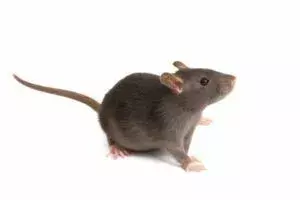
Protecting Outdoor Areas From Rat Activity and Unwanted Rodents
Rats can establish themselves in outdoor areas when gardens, garages, sheds, carports and rubbish zones provide suitable food and shelter.
Early attention can help property owners understand where rodents are active before they move into buildings.
Rats Removal Melbourne provides practical assistance for residential and commercial properties, focusing on identifying activity and possible access routes. rodent control Melbourne can involve inspecting both indoor and outdoor conditions to understand why rodents are being attracted to a particular property.
Why Outdoor Areas Can Attract Rats
Outdoor spaces often contain several resources that rodents need. Food scraps, open rubbish, fallen fruit, compost and pet food can provide accessible nourishment.
Shelter can be equally important. Rats may hide beneath decking, garden structures, timber piles, stored equipment or dense vegetation. These areas can offer protection from weather and people.
Water should also be considered. Leaking outdoor taps, damaged pipes, water containers and areas where rainwater collects can provide moisture close to potential hiding places.
Signs of Activity Around a Property
Property owners should regularly look for evidence of rodents around external areas. Droppings near bins, sheds, garages and walls can indicate activity.
Small holes in soil or burrows may also require attention, particularly when they are located near structures. Gnaw marks on timber, plastic containers or stored materials can provide additional evidence.
Unusual smells or repeated night-time sightings may also suggest that rats are using the area. Identifying several signs together can provide a stronger indication that further investigation is needed.
Keeping Gardens Less Attractive
Garden maintenance can play a useful role in rodent prevention. Overgrown plants can create hiding places, while fallen fruit and accumulated garden waste can provide food.
Vegetation should be maintained around buildings so external walls and access points remain visible. Garden waste should be removed regularly rather than left in piles near garages or sheds.
Compost areas should also be managed appropriately. Food scraps and organic material should be contained in a suitable system that limits access by pests.
Managing Garages and Carports
Garages and carports can become attractive to rats when they contain clutter and stored materials. Cardboard boxes, unused equipment, timber and other items can create sheltered areas.
Regular organisation makes it easier to inspect floors, corners and walls. Unnecessary items should be removed, while stored materials should be arranged to leave space for inspection.
Vehicle areas should also be kept reasonably clean. Food wrappers, pet food and other waste should not be left around parked vehicles.
Securing Rubbish and Food Waste
Rubbish areas deserve particular attention because food waste can attract rodents. Bins should have secure lids and should be kept in good condition.
Any spilled waste around containers should be cleaned promptly. Commercial properties should maintain suitable waste-management procedures, especially where food waste is generated regularly.
Keeping rubbish contained can reduce one of the most accessible food sources around residential and commercial properties.
Read: Trusted Local Pest Management Services
Reducing Potential Hiding Places
Rats prefer areas where they can remain concealed. Outdoor clutter, unused furniture, building materials and piles of timber can provide suitable shelter.
Where possible, stored items should be organised and positioned away from external walls. This creates a clearer area for inspection and can make signs of activity easier to identify.
Sheds should also be checked regularly. Damaged doors, gaps around walls and broken structures can provide access and should be assessed when maintenance is carried out.
When Professional Assistance Is Appropriate
If outdoor activity continues despite improvements to hygiene and maintenance, professional assistance may be useful. A technician can assess signs of activity and identify areas that may require attention.
For property owners researching rat removal Camberwell a professional assessment can help determine whether rats are using gardens, garages, sheds or other outdoor spaces and whether nearby entry points may be contributing to indoor activity.
The appropriate treatment approach depends on the property and the circumstances. Consideration should also be given to pets, children, food areas and other sensitive locations.
Preventing Outdoor Rats From Moving Indoors
Outdoor management should be combined with checks of the building itself. Gaps beneath doors, openings around pipes, damaged vents and roof access points can provide opportunities for rodents to enter.
External walls should be inspected periodically, particularly around service connections and areas where building materials have deteriorated.
Reducing vegetation and stored materials close to walls can also make these areas easier to inspect and maintain.
Maintaining Long-Term Prevention
Keeping outdoor areas clean and organised can reduce some of the conditions that encourage rodent activity. Secure rubbish, controlled vegetation, organised storage and regular property checks can all support ongoing prevention.
Property owners should continue monitoring areas where activity has previously been noticed. New droppings, burrows, gnaw marks or sightings should be investigated rather than ignored.
For Melbourne properties experiencing persistent outdoor rodent activity, rat control Melbourne prices can vary depending on the size of the property, level of activity, accessibility and treatment requirements.
A property assessment can help establish the appropriate scope of professional rodent management.