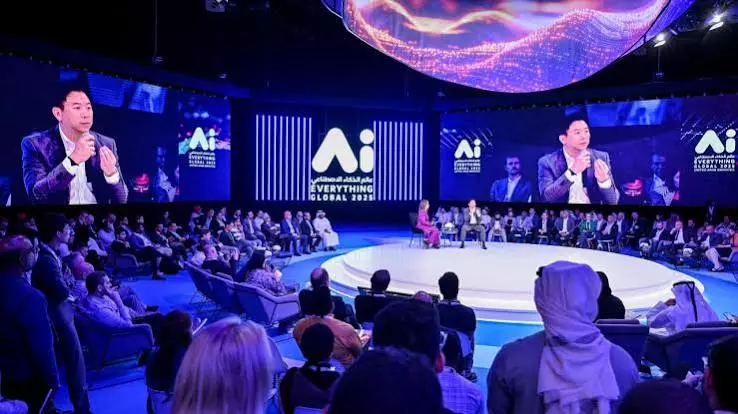
Professional Corporate Event Planning in Pakistan: From Concept to Execution
A successful corporate event rarely happens by accident. Behind every well-organized conference, business seminar, product launch, exhibition, workshop, or corporate gathering is a carefully structured plan that brings together people, resources, technology, logistics, branding, and communication.
In Pakistan’s increasingly competitive business environment, organizations are recognizing that professional Event Management can make the difference between an event that simply takes place and an experience that delivers meaningful business results.
Corporate events have become an important part of how businesses communicate with customers, employees, investors, partners, suppliers, and industry professionals.
A thoughtfully planned event can strengthen relationships, introduce a product, generate leads, improve brand recognition, or create valuable networking opportunities. However, achieving these outcomes requires much more than selecting a venue and sending invitations.
The Growing Importance of Corporate Events
Businesses today operate in an environment where personal connections and memorable brand experiences continue to matter.
Digital communication may make it easier to reach people, but face-to-face interactions can create stronger professional relationships and more engaging experiences.
This has increased demand for Corporate Event Planning Pakistan services that combine strategic thinking with practical execution. Businesses want events that are organized around clear objectives rather than unnecessary complexity.
Whether the goal is generating new business, educating an audience, celebrating achievements, or launching something new, every element should support the central purpose.
Professional Event Organizers Pakistan help businesses transform an initial idea into a structured and manageable event plan.
They coordinate timelines, suppliers, teams, guests, technical requirements, branding, and operational details so the client can focus on the wider business objective.
Starting With a Clear Event Strategy
Every successful event starts with understanding why it is being organized. Without a clear objective, it becomes difficult to determine what type of venue, audience, program, budget, and promotional strategy is appropriate.
A professional planning process begins by identifying the event purpose. It may be a conference designed to educate industry professionals, an exhibition created to showcase multiple businesses, a product launch aimed at building market awareness, or a workshop intended to train employees.
Once the purpose is defined, planners can establish practical goals. These may include attendee numbers, qualified leads, networking meetings, media coverage, customer engagement, or employee participation. This strategic foundation helps ensure that the event remains focused from beginning to end.
Venue Selection and Guest Experience
Choosing the right venue is one of the most important decisions in Corporate Event Management. The venue influences the atmosphere, accessibility, capacity, technical setup, seating arrangements, catering, parking, security, and overall guest experience.
A professional event team considers much more than appearance. The location should make sense for the target audience and the event format. A large conference may require a spacious auditorium and breakout rooms, while an executive meeting may benefit from a more private setting.
Guest experience also begins before attendees arrive. Invitations, registration, confirmation messages, directions, parking instructions, and arrival procedures all contribute to how professionally an organization is perceived.
Detailed Event Coordination
Complex events involve many separate responsibilities that need to operate together. This is where Event Coordination Services become particularly valuable.
Speakers must know when to arrive and where to go. Vendors need clear delivery schedules. Technical teams need access for installation and testing. Catering services must understand guest numbers and timing.
Registration staff need attendance information. Branding materials must be installed correctly. Security teams must understand access requirements.
Without proper coordination, even small gaps can create visible problems. A detailed event schedule establishes accountability and reduces confusion by defining what needs to happen, when it needs to happen, and who is responsible.
Conference and Seminar Management
Conferences and seminars require strong programming because attendees expect useful information, smooth transitions, and professional presentation.
Speaker coordination should begin well before the event, including confirmation of presentation requirements, arrival details, session timings, and technical needs.
Professional Conference Management Services also consider audience engagement. Breaks, networking opportunities, interactive sessions, panel discussions, and question-and-answer segments can make an event more valuable.
An effective conference should feel organized without feeling rigid. Attendees need enough structure to navigate the day easily while still having opportunities to connect and participate.
Exhibitions That Support Business Growth
Exhibitions bring together brands, buyers, professionals, media, sponsors, and visitors. Because several groups are involved, exhibition planning requires careful attention to both logistics and commercial objectives.
Professional Exhibition Planning Services may cover floor layouts, exhibitor coordination, booth requirements, visitor registration, branding, signage, technical support, and on-site operations.
The layout should help visitors move naturally through the space while providing exhibitors with appropriate visibility. Clear signage and organized registration can reduce congestion and make the overall experience more comfortable.
For participating companies, an exhibition is often an opportunity to collect leads and develop relationships. That means planning should consider how visitors will discover brands, interact with representatives, and receive follow-up information.
Product Launches and Brand Experiences
A product launch gives businesses an opportunity to introduce something new while controlling the narrative around the brand. A successful launch combines storytelling, presentation, visual identity, audience engagement, and technical production.
Professional Product Launch Event Services can support everything from venue styling and stage design to guest invitations, media coordination, product demonstrations, audiovisual production, and photography.
The most effective launches do not rely solely on decoration. They create a logical experience that takes guests from anticipation to discovery. Every part of the program should reinforce the product message and provide a clear reason for the audience to care.
Workshops and Training Events
Workshops require a different approach from large conferences. They often depend more heavily on interaction, collaboration, and participant engagement.
Professional Workshop Event Planning considers seating arrangements, learning materials, technical equipment, refreshments, timing, and participant communication. The environment needs to support concentration and discussion rather than simply accommodate a large number of people.
Training events also benefit from careful scheduling. Breaks, exercises, demonstrations, and discussion periods should be incorporated into the program so that participants remain engaged throughout the session.
Managing Event Budgets Effectively
Budget control is one of the most overlooked aspects of event planning. Costs can quickly increase when suppliers are added without defined requirements or when last-minute changes occur.
Professional Event Budget Management establishes estimated costs across major categories such as venue, production, catering, staffing, transportation, decoration, branding, technology, entertainment, and contingency expenses.
A transparent budget helps businesses make informed decisions. For example, an organization may decide that audiovisual quality is more important than elaborate decoration, or that guest transportation is a higher priority than additional entertainment.
The purpose is not simply to reduce spending. It is to make sure every investment contributes to the event objective.
Technology and Digital Event Solutions
Technology has become an important part of modern Event Planning Services. Digital registration systems can simplify check-in, while QR codes can make attendee management faster.
Presentation systems, live polling, audience interaction tools, digital signage, and hybrid event platforms can improve participation.
Technology can also help businesses collect useful data. Attendance information, feedback forms, engagement statistics, and lead data can provide valuable insights after the event.
However, technology should support the experience rather than overwhelm it. The best event systems are practical, reliable, and easy for attendees to use.
Social Media and Event Promotion
An event no longer begins when guests enter the venue. Promotion can start weeks or months earlier through digital content.
Event Marketing Services can use social media to announce speakers, introduce themes, share countdowns, reveal event details, and encourage registrations. During the event, professionally produced photographs, short videos, interviews, and audience content can create additional visibility.
After the event, highlights and results can continue the conversation. This helps transform a single-day experience into an ongoing communication opportunity for the brand.
Risk Management and Backup Planning
Professional events require contingency planning because unexpected circumstances can arise at any stage. Equipment issues, weather conditions, transportation delays, supplier problems, or changes in speaker availability can disrupt a program.
Effective Event Risk Management identifies possible challenges and establishes backup solutions. Technical rehearsals, alternative suppliers, emergency contacts, backup power, flexible schedules, and communication protocols can help reduce operational risks.
The objective is not to eliminate every possible problem. It is to ensure that the event team can respond quickly when circumstances change.
Nationwide Corporate Event Support
Pakistan’s business landscape extends across major commercial and administrative centers, including Karachi, Lahore, Islamabad, Rawalpindi, Faisalabad, Multan, and other developing markets. Companies frequently need consistent event standards while operating across different locations.
Reliable Event Management Services Across Pakistan should therefore combine centralized planning with local operational knowledge. Venue conditions, suppliers, transportation, audience expectations, and logistical challenges can vary from one city to another.
A professional nationwide approach helps businesses maintain consistency while adapting each event to its location and audience.
Measuring the Success of an Event
The event does not truly end when the final guest leaves. Post-event evaluation can reveal whether the original objectives were achieved.
Businesses can review attendance, leads, customer feedback, engagement, media exposure, social media performance, networking outcomes, and other relevant indicators. This creates a foundation for improving future events.
Strong Event Management Solutions therefore cover both execution and evaluation. The objective is to create a repeatable process where every event provides lessons for the next one.
Building Better Business Experiences
Professional corporate events require a combination of strategy, creativity, organization, and attention to detail. From conferences and exhibitions to workshops and product launches, every format comes with its own requirements and challenges.
The right Event Planning Company in Pakistan understands that successful execution is ultimately about serving the event objective. Strong planning creates structure, professional coordination reduces stress, and thoughtful design improves the attendee experience.
Businesses that approach events strategically can gain more than a well-organized day.
They can create stronger relationships, communicate their message more effectively, showcase their brand with confidence, and generate opportunities that continue long after the event has ended.
With structured Event Management, a complex collection of tasks becomes a coordinated business experience designed to produce real value.