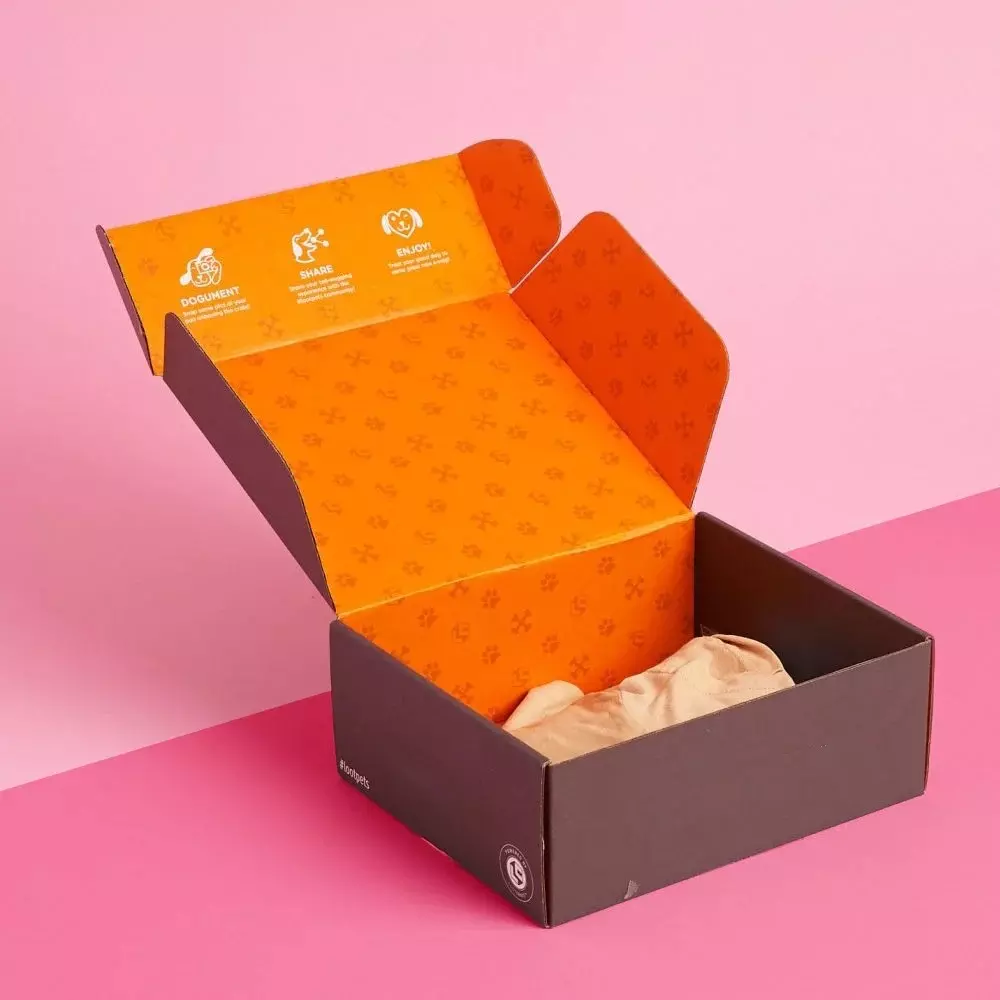
Product Mailer Boxes for Wholesale Sampling and Retail Buyer Outreach
Winning a place on a retailer's shelf often begins with a sample. Buyers at boutiques, grocery chains, and online marketplaces receive countless pitches, and the ones that stand out arrive in a package that is organized, professional, and easy to evaluate.
Product Mailer Boxes give brands a practical way to present samples with care, protecting what is inside while showing a buyer that the company runs a disciplined operation.
Why Sample Packaging Influences Buying Decisions
A buyer who opens a sample box is judging more than the product. They are quietly assessing whether the brand can supply stores reliably, present itself well on a shelf, and communicate clearly.
Neat packaging suggests operational maturity, while a loose, dented parcel raises doubts before the first price discussion even begins.
Including the Information Buyers Actually Need
Retail buyers want wholesale pricing, minimum order quantities, case sizes, and lead times without having to ask. A single printed card placed on top of the sample, with these details and a clear contact name, saves time
and keeps the conversation moving. Interior printing can carry the same details when budgets are tight.
Sizing Boxes for Several Products at Once
Many sample kits include a full lineup rather than one item. Product Mailer Boxes in USA suppliers can recommend a size that holds a representative range without crowding, and a simple divider keeps items from rubbing together.
A kit that shows the whole assortment helps buyers imagine how the products will sit together on a shelf.
Keeping Costs Proportional to Conversion Rates
Not every sample leads to a purchase order, so cost per kit needs to stay reasonable. Tracking how many kits convert into accounts reveals the true acquisition cost. Many brands start with a modest design and upgrade
the presentation only after the numbers show that better packaging improves the response rate.
Read: How to Sell & Thrive in the Growing Corporate Gifting Market
Planning Quantities Around Trade Show Season
Sample requests spike after trade shows and buying cycles. Ordering Product Mailer Boxes in Bulk before these windows keeps outreach campaigns on schedule, since a buyer who requests a sample on Monday expects to receive it within days rather than weeks.
Early ordering also prevents rushed shipping fees.
Making Follow-Up Easy
A sample box should invite a response. A QR code linking to a line sheet, a prefilled order form, or a calendar link for a call lowers the effort needed to take the next step. Brands that track which codes are scanned also learn which buyers opened the kit and showed interest.
Protecting Products With Tight Shelf-Life or Delicate Finishes
Samples often travel with only a few protective items, so packaging has to compensate. Wrapping glossy or fragile pieces in tissue, using a snug fit, and avoiding crushable edges keeps products presentable. A damaged sample is easily mistaken for a quality problem rather than a shipping one.
Maintaining Consistency Between Sample and Shelf Packaging
Buyers expect the retail product to match the sample experience. Using the same visual identity, colors, and quality in both the sample box and the final retail packaging builds confidence that the brand will deliver what it promises once an order is placed.
Tracking Sample Results to Improve Outreach
Keep a simple record of who received a kit, when it shipped, and whether the buyer responded. After a few campaigns, patterns appear: certain retailer types respond faster, certain products spark more interest, and some follow-up timings work better than others.
This information helps a brand focus samples on the buyers most likely to convert, which lowers wasted spend and shortens the path from first contact to first purchase order.
Coordinating Samples With Sales Calls and Emails
A sample works best when it is part of a conversation rather than a surprise. Sending an email before the box ships, confirming arrival a few days later, and offering a short call to answer questions keeps the buyer engaged.
When the package, the message, and the call all feel connected, the brand appears organized and attentive, qualities that retail buyers value highly in long-term supplier relationships.
Keeping Samples Fresh and Relevant
Product lines change, and a sample kit that features discontinued items or outdated pricing damages credibility. Reviewing the contents every quarter, replacing retired products, and updating printed cards keeps outreach accurate.
A buyer who receives current information feels the brand is organized and ready to supply stores consistently, which is exactly the impression a sample kit is meant to create.
Final Thoughts
Sample outreach is a quiet but powerful sales channel, and the box is the first thing a buyer evaluates. Product Mailer Boxes help brands present their lineup with clarity, protect delicate items, and encourage the next conversation.
For companies preparing to approach new retailers, Mailer Boxes Co can help design a sample kit that is organized, cost-conscious, and ready to leave a strong impression.