Print Like a Pro: Unlocking the Secrets of Speede Transfer Technology
- Introduction
- Why Speede Transfer is Revolutionizing Printing
- Understanding the Basics of Speede Transfer
- Traditional Printing Methods vs. Speede Transfer
- Inside the Magic: How Speede Transfer Works
- UV DTF Transfers and Why They Matter
- Why DTF Printing Austin Is the Hotspot for Innovation
- Tips for Getting Pro-Level Results with Speede Transfer
- Final Thoughts
- FAQs
Introduction
Ever wished your custom prints came out exactly the way you imagined—every detail sharp, colors vivid, and not a smudge in sight? That’s not a pipe dream anymore. Thanks to Speede transfer, printing like a pro has never been easier, faster, or more exciting.
Whether you’re a business owner, DIY enthusiast, or local creator in Austin, this tech is rewriting the rules of custom printing. So buckle up—we’re diving into what makes Speede transfer so special and how you can harness it like a seasoned printmaster.
Why Speede Transfer is Revolutionizing Printing
Let’s face it—traditional printing comes with baggage. Think long setup times, inconsistent prints, and limited material compatibility. Not exactly a dream, right?
That’s why Speede transfer is such a big deal. It takes all the messy parts of custom printing and replaces them with a sleek, efficient, and professional-grade solution. And the best part? It’s fast. Like, really fast.
We’re talking same-day prints that look like they came straight out of a high-end studio.
Understanding the Basics of Speede Transfer
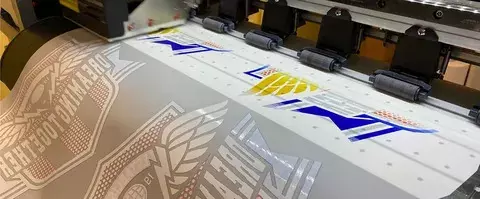
So, what exactly is Speede transfer? At its core, it’s a high-resolution digital printing process that transfers designs using a special film, heat, and pressure.
Here’s how it works in simple terms:
- Create your design digitally
- Print it onto a transfer film
- Use a heat press to transfer the design to your desired surface
Boom. Done. The result? Crisp, durable, and flawless prints on just about anything—fabrics, ceramics, wood, glass, you name it.
This tech isn’t just user-friendly; it’s practically foolproof with the right setup.
Inside the Magic: How Speede Transfer Works
Step 1: The Design Phase
It all starts with a high-quality digital image—think vector files or 300 DPI resolution artwork. The better the file, the sharper the print.
Step 2: Printing on Transfer Film
This film is coated with a release agent that helps the ink separate cleanly. Your design is printed directly onto it using eco-friendly water-based ink.
Step 3: Applying Heat and Pressure
Using a heat press, the film is placed over the product. Heat activates the ink, while pressure transfers the image seamlessly.
Step 4: The Peel
After cooling, the film is peeled off, leaving behind a flawless print that’s as durable as it is stunning.
UV DTF Transfers and Why They Matter
If Speede transfer is the cake, UV DTF transfers are the icing. They use ultraviolet light to cure the ink as it's applied, giving you extra durability and vibrant color that practically leaps off the surface.
Benefits include:
- Glossy finish
- Water- and scratch-resistant prints
- Better adhesion on non-fabric surfaces
- Longer-lasting colors under sun and stress
Want to print on tumblers, phone cases, or even car decals? UV DTF is your new best friend.
Why DTF Printing Austin Is the Hotspot for Innovation
Austin isn’t just the live music capital of the world—it’s also a creative melting pot where DTF printing has taken off like wildfire.
Here's why:
- A growing number of local print shops are adopting Speede transfer and UV DTF transfers
- The startup scene is embracing fast-turnaround custom merch
- Artists and makers love the freedom and flexibility
- Demand for eco-conscious, small-batch production is booming
In short, if you’re looking for cutting-edge custom printing, DTF printing Austin is where it's at.
Tips for Getting Pro-Level Results with Speede Transfer
1. Use the Right Image Format
PNG and SVG files work best. Make sure your resolution is at least 300 DPI to avoid blurry prints.
2. Mind Your Heat Press Settings
The magic’s in the details. Follow specific temperature, pressure, and time settings for your materials. A few seconds too long can make or break your result.
3. Choose the Right Film
Not all transfer films are created equal. Use one designed specifically for Speede transfer for best results.
4. Test Before Going Big
Always run a test print, especially when working with unfamiliar surfaces or new materials. This will save you both time and frustration.
5. Don’t Overload with Ink
Less is often more. Over-saturating can lead to bleeding or uneven edges. Stick to balanced designs with clear lines.
Final Thoughts
Let’s be real: printing your own designs used to be a pain. But not anymore.
Speede transfer changes the game completely. It’s fast, reliable, and delivers results that look like they came from a pro shop—without the pro price tag. Pair that with UV DTF transfers and the innovation coming out of DTF printing Austin, and you're not just keeping up with trends… you're setting them.
So the next time you’ve got an idea for a custom tee, tote, tumbler, or tablet case, don’t settle for “good enough.” Print like a pro—with Speede.
FAQs
1. Can I use Speede transfer on dark fabrics?
Absolutely! Just make sure your design includes a white underbase layer to make colors pop against dark surfaces.
2. Is Speede transfer eco-friendly?
Yes! It often uses water-based inks that are safer for both users and the environment compared to solvent-based inks.
3. How does Speede transfer compare to vinyl cutting?
Vinyl cutting is more limited in detail and color. Speede offers high-resolution, full-color printing without layering.
4. Can I layer multiple Speede transfers on one product?
Yes, but be cautious. Too much layering can affect durability and feel. Stick to single-layer designs when possible.
5. Where can I find Speede transfer services in Austin?
Many local print shops and creative studios in Austin now offer Speede and DTF transfer options. Look for those that also specialize in UV DTF transfers for even more durability and finish quality.
Sponsored article: The art and impact of designing