Princess Cut vs. Round Cut Diamonds: A Head-to-Head Comparison
The journey to finding the perfect diamond often begins with a fundamental choice: the shape. Among the myriad of options, two cuts consistently capture the hearts of diamond shoppers: the timeless Round Brilliant and the modern Princess cut. This decision is more than just a matter of aesthetics; it influences the diamond's brilliance, price, and how it complements the wearer's style.
Understanding the distinct characteristics of each is crucial to selecting a stone that not only sparkles magnificently but also feels uniquely yours. This comprehensive guide will delve into a detailed comparison of Princess cut and Round cut diamonds, examining their key attributes across several categories to empower you with the knowledge needed for this significant decision.
Understanding the Basics: Shape and Faceting
The most apparent difference lies in the fundamental shape of these two diamonds. The Round Brilliant cut is the quintessential diamond shape, characterized by its circular outline and unparalleled symmetry. Its design is the result of precise mathematical calculations aimed at maximizing light performance.
A standard Round Brilliant features 57 or 58 facets meticulously arranged to work in concert, capturing light and reflecting it back to the viewer's eye in a dazzling display of brilliance and fire.
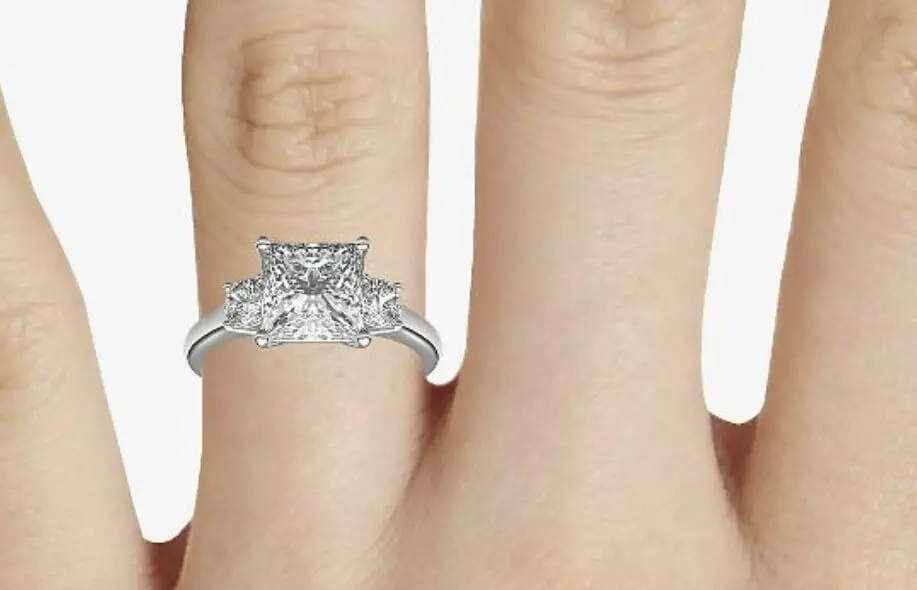
In contrast, the Princess cut is a square or rectangular shape with pointed corners. It is the most popular of the "fancy" diamond shapes, a category that includes all non-round cuts. The faceting pattern of a Princess cut is distinctly different, typically featuring a chevron or crisscross pattern on the crown and step-like facets on the pavilion.
This contemporary design was developed to combine the brilliance of a Round cut with a unique, modern silhouette. The sharp corners are a defining feature but also a point of vulnerability that requires consideration.
The Battle of Brilliance and Sparkle
When it comes to pure, undeniable sparkle, the Round Brilliant cut is the undisputed champion. Its design is scientifically engineered to produce the highest possible levels of brilliance (white light reflection) and fire (the dispersion of light into rainbow colors).
The circular shape and specific facet angles allow light to enter the diamond, reflect off the internal facets, and return directly through the top with minimal light leakage. This makes the Round cut exceptionally bright and lively under almost any lighting condition.
The Princess cut, while brilliantly sparkly in its own right, exhibits a different type of light performance. Its sparkle is often described as more vibrant and flashy, with a mixture of brilliant and fiery flashes. The light return is concentrated in the corners, creating a captivating crisscross pattern of light and dark.
While a well-cut Princess can rival a Round in brilliance, it generally exhibits slightly less fire. Its performance can be more dependent on the quality of the cut; a poorly cut Princess diamond may appear dark or lifeless in the center, whereas a Round cut is more forgiving of minor cut imperfections.
Durability and Setting Considerations
Durability is a practical aspect that deserves careful attention. The Round cut, with its smooth, curved outline, is exceptionally durable. It has no weak points or corners that are prone to chipping, making it a robust choice for everyday wear. This resilience allows for a wider variety of setting styles without significant concern for protecting the stone.
The Princess cut, with its four sharp pointed corners, presents a different scenario. These corners are the most vulnerable parts of the diamond and can be susceptible to chipping if struck with significant force.
To mitigate this risk, Princess cut diamonds are almost always set with prongs that specifically cover each of the four corners. This is a crucial design element that protects the integrity of the stone but can also influence the overall look of the jewelry. Bezels or V-prong settings are highly recommended for a Princess cut to ensure its long-term safety.
The Style and Personality Factor
The choice between these two cuts is often a reflection of personal style. The Round Brilliant cut is the classic choice. It is timeless, traditional, and universally flattering. It appeals to those who appreciate a well-established, iconic look that has been cherished for generations. A Round diamond is versatile, seamlessly fitting into both vintage-inspired and contemporary settings, and it symbolizes a timeless, enduring love.
The Princess cut is decidedly modern and geometric. It appeals to individuals with a contemporary, fashion-forward sensibility who appreciate clean lines and a bold statement. Its square shape is often seen as edgy and unique. From a stylistic perspective, the Princess cut can have a slimming effect on the finger due to its elongated lines, particularly in a rectangular orientation. It conveys a sense of strength, individuality, and modern romance.
Price and Carat Weight Appearance
One of the most significant practical differences lies in cost and perceived size. Round Brilliant diamonds are consistently the most expensive of all diamond shapes. This is due to two primary factors: higher demand and greater rough diamond wastage during the cutting process. To achieve the perfect round shape and ideal proportions, a cutter must remove more of the original rough diamond crystal, which increases the cost of the finished stone.
Princess cuts are generally more affordable per carat than Round brilliants. They are cut from a more square rough diamond, resulting in less material loss. This efficiency in cutting translates to a better price point for the consumer.
Furthermore, because of their square shape, Princess cuts often appear larger face-up than a Round diamond of the same carat weight. The weight in a Princess cut is distributed differently, covering a larger surface area, which can make it a fantastic value for those prioritizing perceived size.
Making Your Final Choice
There is no objectively "better" cut; the best choice is entirely personal and depends on your priorities. If your primary desire is maximum, traditional sparkle and timeless appeal, and budget is a secondary concern, the Round Brilliant cut is likely your ideal match. Its unparalleled brilliance and classic beauty have made it the most popular choice for a reason.
If you are drawn to a modern, geometric aesthetic, value a larger appearance for your budget, and appreciate a vibrant, flashy sparkle, the Princess cut is an excellent alternative. Its contemporary elegance and cost-effectiveness make it a powerful contender.
When evaluating a Princess cut, pay close attention to the quality of the cut and ensure the setting adequately protects its corners. Ultimately, the perfect diamond is the one that captures your heart and reflects your unique story. By weighing these factors—brilliance, style, durability, and value—you can confidently select the cut that will shine brightest for you.