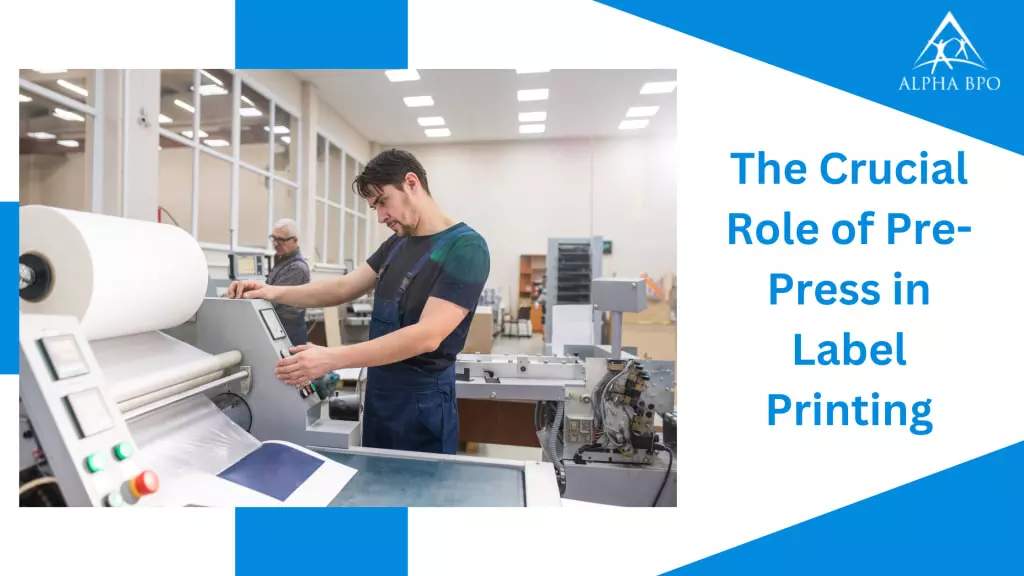
Prepress Processes: Ensuring Quality and Efficiency in Book Printing
The prepress process is a critical stage in book printing that ensures the final product meets industry standards for quality and consistency. From file preparation to proofing, each step plays a vital role in eliminating errors and optimizing production efficiency. This article explores the essential components of the prepress workflow and how they contribute to high-quality book printing.
1. Understanding Prepress in Book Printing
Before a book reaches the printing stage, it undergoes a series of prepress procedures designed to refine the manuscript and layout. These processes bridge the gap between digital design and physical production, ensuring that the printed material aligns with the author’s and publisher’s expectations.
2. Key Stages of the Prepress Process
2.1 File Preparation and Formatting
The first step in prepress involves preparing the manuscript and ensuring proper formatting. This includes:
- Text and Layout Formatting: Ensuring the manuscript is formatted according to print specifications, including margins, font selection, and line spacing.
- Image Resolution: All images must be in high resolution (300 dpi or higher) to prevent pixelation in print.
- File Type Compatibility: Print-ready files are typically saved as PDF/X-1a or TIFF to maintain quality and avoid data loss.
2.2 Proofing and Color Management
Proofing is crucial to identifying errors before full-scale production begins. The two primary types of proofing include:
- Soft Proofing: Digital previews allow designers and authors to check for layout inconsistencies before printing.
- Hard Proofing: Physical proofs provide a printed sample of the book to ensure accurate colors and alignment.
Color consistency is another essential aspect, managed through:
- CMYK vs. RGB: The printing industry primarily uses CMYK (Cyan, Magenta, Yellow, Black) instead of RGB, which is used for digital screens.
- Pantone Matching System (PMS): Ensures uniform color reproduction, especially for branding and cover designs.
2.3 Imposition and Pagination
Imposition refers to arranging multiple pages on a single sheet to optimize printing and minimize waste. Correct pagination ensures that once the pages are folded and trimmed, they appear in the correct order.
- Types of Imposition: Single-page, two-up, or four-up layouts depending on the book size.
- Bleed and Safe Zones: Ensuring elements like text and images are positioned correctly to prevent them from being cut off during trimming.
2.4 Selecting the Right Paper and Printing Method
Different book types require different paper stocks. Factors to consider include:
- Weight and Opacity: Lightweight paper is ideal for novels, while high-opacity paper is used for illustrated books.
- Coated vs. Uncoated Paper: Coated paper provides a glossy finish, while uncoated paper offers a natural texture.
The choice of offset printing or digital printing depends on the book’s volume and budget:
- Offset Printing: Cost-effective for large print runs, ensuring consistent color and quality.
- Digital Printing: Ideal for small-batch orders and online book printers, allowing for print-on-demand services.
2.5 Final Prepress Checklist
Before sending files to print, a final review is necessary:
✔ Proofread for typos and grammatical errors.
✔ Verify color accuracy and resolution.
✔ Ensure the correct print settings, including bleeds and margins.
✔ Confirm that all fonts are embedded in the final file.
3. The Role of Technology in Modern Prepress
With advancements in automation, many book printing services now utilize AI-driven prepress software to detect errors, automate imposition, and optimize ink usage. Cloud-based proofing systems have also made it easier for authors and publishers to collaborate remotely.
Conclusion
The prepress process is the backbone of high-quality book printing. By following precise formatting, proofing, and imposition techniques, publishers can avoid costly errors and ensure seamless production. Whether printing in bulk or using an online book printer, an efficient prepress workflow guarantees superior results for every project.