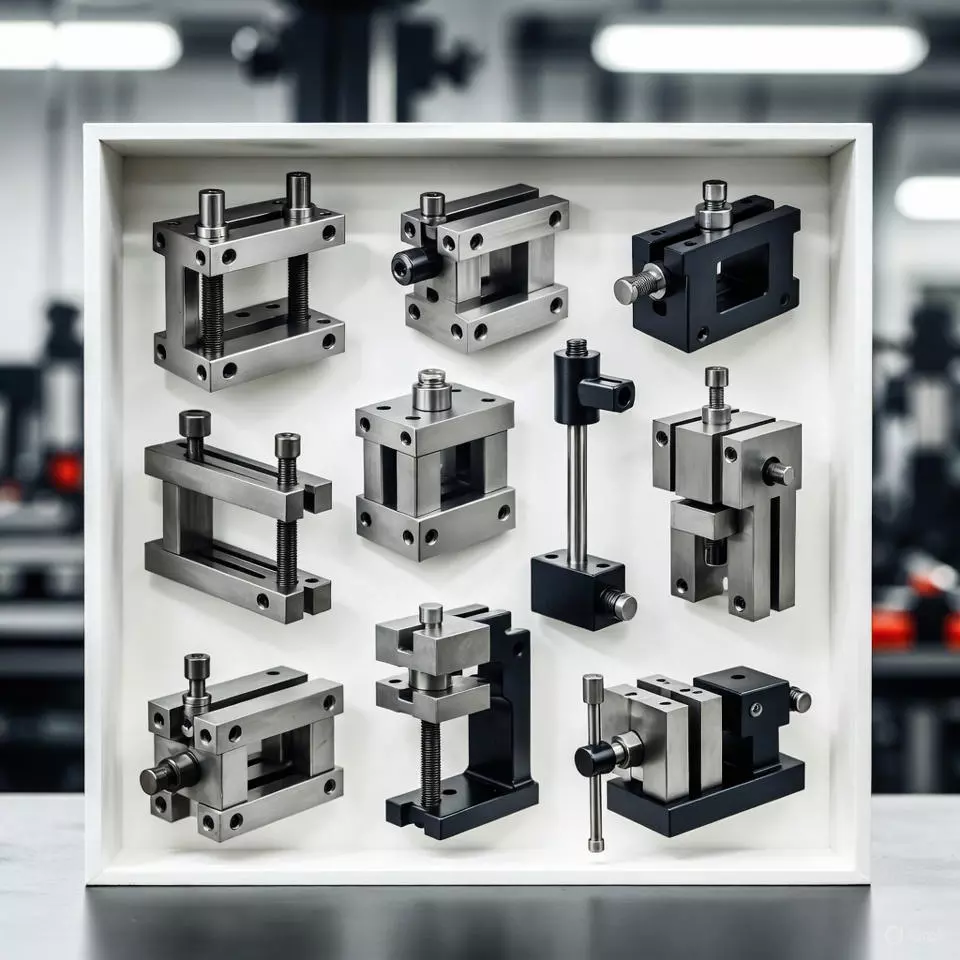
Precision-Driven CNC Success Through Advanced Jig and Fixture Systems
In modern CNC manufacturing, accuracy is not an option; it is the baseline for survival and growth. One of the most reliable ways to achieve repeatable precision is through jigs and fixtures that are purpose-built for complex machining tasks.
These systems control positioning, reduce variation, and allow machinists to focus on productivity instead of constant measurement checks.
For companies like Yicenprecision, customized solutions help manufacturers meet tighter tolerances while keeping production efficient and predictable.
CNC operations depend on stability, consistency, and speed, and that combination is difficult to achieve without well-planned workholding solutions.
From high-volume automotive parts to low-batch aerospace components, tooling strategies that integrate locating accuracy and rigidity directly affect surface finish and dimensional control. Understanding how tooling jigs and fixtures support these outcomes is essential for anyone aiming to scale CNC performance without sacrificing quality.
Understanding the Role of Jigs and Fixtures in CNC Manufacturing
What Makes Jigs and Fixtures Essential Devices
Jigs and fixtures are specialized devices designed to hold, locate, and support a workpiece during machining, ensuring each part is produced within specification.
A jig typically guides the cutting tool, while a fixture primarily positions and secures the part, yet both work toward the same goal of repeatable accuracy. In CNC environments, these devices minimize human error and allow machines to run at optimal speeds without compromising dimensional integrity.
Difference Between Tooling Jigs and Fixtures in Practice
Although often mentioned together, tooling jigs and fixtures serve different operational roles on the shop floor. Jigs are commonly used when tool guidance is required, such as drilling operations, whereas fixtures are preferred for milling, turning, or multi-axis machining where part stability is critical.
Understanding this distinction helps manufacturers choose the correct approach for each machining process and avoid unnecessary complexity.
Design Principles Behind Effective Jig and Fixture Systems
Importance of Locating Accuracy and Stability
Locating accuracy is the foundation of any successful jig and fixture design, as even minor misalignment can cascade into costly rework or scrap.
Proper datum selection, rigid supports, and controlled clamping forces ensure that the workpiece remains stable throughout the machining cycle.
These principles allow CNC machines to perform consistently, even during long production runs or complex multi-step operations.
Custom Fixture Design for Complex CNC Parts
Custom jig and fixture design becomes essential when standard solutions cannot accommodate unique geometries or tight tolerances.
By tailoring fixtures to the specific part and process, manufacturers can reduce setup time and improve overall throughput. Yicenprecision focuses on designing devices that integrate seamlessly with CNC workflows, supporting both flexibility and long-term durability.
Productivity Gains Through Advanced Jig and Fixture Tooling
Reducing Setup Time and Human Error
One of the biggest advantages of advanced jig and fixture tooling is the dramatic reduction in setup time between jobs.
Repeatable positioning eliminates the need for constant adjustments, allowing operators to switch tasks quickly and confidently. This efficiency also reduces the likelihood of human error, which is often a hidden cost in manual setup processes.
Supporting High-Volume and Low-Volume CNC Runs
Well-designed fixtures support both mass production and small-batch manufacturing without sacrificing quality.
For high-volume runs, they ensure consistency across thousands of parts, while for low-volume jobs, they provide quick changeover and reliable positioning. This versatility makes fixtures a strategic investment rather than a single-use accessory.
Integration of Locating Jig and Fixture Devices in CNC Workflows
Enhancing Machine Capability and Process Control
Locating jig and fixture devices enhance the inherent capabilities of CNC machines by providing a stable reference point for every operation.
This integration improves process control, enabling tighter tolerances and better surface finishes. When fixtures are designed with machine dynamics in mind, they also reduce vibration and tool wear, extending equipment life.
Aligning Fixture Design With Automation Trends
As CNC automation becomes more common, fixture design must adapt to robotic loading and unattended machining. Automated systems require consistent, foolproof locating mechanisms that align perfectly every cycle.
Custom fixture solutions that consider automation compatibility help manufacturers stay competitive in an increasingly hands-off production environment.
Read: Where can I order 3D printed parts for industrial use in Dubai?
Quality, Cost, and Compliance Benefits of Proper Fixture Design
Improving Quality While Controlling Production Costs
Quality improvements achieved through proper fixture design often translate directly into cost savings. Reduced scrap rates, fewer inspections, and faster cycle times all contribute to a healthier bottom line.
Investing in well-engineered jigs and fixtures is not an expense but a strategic move toward sustainable manufacturing efficiency.
Meeting Industry Standards and Compliance Requirements
Many industries, including aerospace and medical manufacturing, require strict compliance with dimensional and process standards. Precision fixtures help maintain traceability and repeatability, supporting audits and certifications.
By embedding quality control into the tooling itself, manufacturers can meet regulatory demands without slowing production.
Conclusion: The Strategic Value of Precision Fixture Solutions
In today’s CNC-driven industry, their role has expanded from simple holding mechanisms to strategic enablers of productivity, automation, and quality assurance.
Companies that invest in thoughtful design and application gain a measurable advantage in both performance and reliability.
Looking ahead, the continued evolution of CNC technology will only increase the importance of intelligent workholding systems.
By aligning custom fixture design with modern machining demands, manufacturers can future-proof their operations and maintain consistent results across diverse projects.