Practical Habits for Making Better Eating Choices Every Day
Making healthier food choices does not necessarily mean following a strict diet or avoiding all the foods you enjoy.
For many people, the more sustainable approach is to build simple habits that make balanced eating easier during a normal day. Small decisions around meal planning, hydration, food variety and mindful eating can gradually shape a healthier routine without making food feel complicated.
One useful place to start is understanding how different foods fit into overall wellbeing. For example, learning more about everyday nutrition and healthy eating habits can help you look beyond individual foods and focus on the bigger picture.
A balanced eating pattern is less about achieving perfection and more about creating habits that are realistic enough to maintain over time.
Start With Simple, Balanced Meals
A practical eating routine begins with meals that provide a mixture of nutrients. Instead of focusing on one particular “healthy” food, try to include different food groups throughout the day.
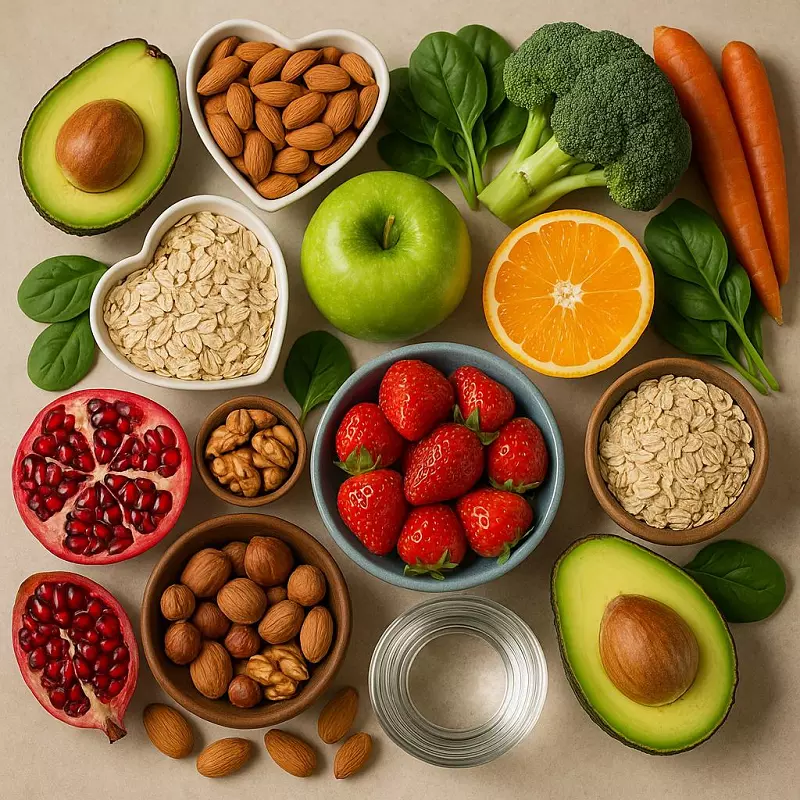
Vegetables and fruits can provide vitamins, minerals and fiber, while whole grains, beans and lentils can contribute carbohydrates and fiber. Foods such as eggs, fish, dairy products, nuts, seeds and other protein sources can also form part of a varied diet.
The exact combination does not need to be identical at every meal. What matters more is the overall variety of your diet across the day and week.
Read: How to Build Healthy Eating Habits Without Stress
Plan Ahead When You Can
It is often easier to make thoughtful food choices when you are not deciding what to eat at the last minute.
You do not need to prepare every meal for an entire week. Even a small amount of planning can help. For example, you might decide what you want for dinner, prepare ingredients in advance or keep a few convenient foods available for busy days.
Having nutritious options within easy reach can reduce the temptation to rely entirely on whatever happens to be quickest when you are hungry.
Pay Attention to Portion Sizes
Healthy eating is not only about which foods you choose. How much you eat can also influence the overall balance of your diet.
Rather than following rigid portion rules, try paying attention to your hunger and fullness cues. Eating slowly can give you more time to notice when you have had enough.
Portion needs also vary between individuals depending on factors such as activity levels, age and personal circumstances. A flexible approach is generally more practical than trying to make every meal follow an exact formula.
Include More Fiber Rich Foods
Fiber is an important part of a balanced diet and can be found naturally in many plant foods.
Vegetables, fruits, whole grains, beans, lentils, nuts and seeds are useful sources. Increasing the variety of these foods can make meals more interesting while also supporting normal digestive function.
If your current diet contains relatively little fiber, increase it gradually rather than making a sudden dramatic change. A rapid increase may cause temporary bloating or additional gas for some people.
Drinking enough fluids alongside a fiber rich diet is also important.
Don't Forget Hydration
Thirst can sometimes be mistaken for hunger, particularly when you are busy and have not had much to drink during the day.
Keeping water nearby can make regular hydration easier. A reusable bottle at your desk, in your bag or in the car can serve as a simple reminder.
Water does not have to be the only drink you consume, but making it a regular part of your day is an easy habit to maintain.
Understand Your Food Cravings
Cravings are a normal part of eating and do not automatically mean that you have poor eating habits. You may want a particular food because you are hungry, tired, stressed, bored or simply because you enjoy it.
Instead of treating every craving as something that must be eliminated, try to understand when and why it occurs.
For example, if you regularly reach for snacks late at night, consider whether you are eating enough during the day or whether tiredness and routine are influencing your choices. Recognizing patterns can make it easier to make decisions intentionally.
Make Healthy Choices Convenient
Your surroundings can have a surprisingly strong influence on everyday eating habits.
Keeping fruit, nuts, yoghurt, whole-grain options or other suitable foods readily available can make balanced choices more convenient. At the same time, there is no need to completely remove treats from your home.
A sustainable approach leaves room for foods you enjoy while making nutritious options easy to access most of the time.
Consider Where Supplements Fit
Supplements can sometimes be included as part of a broader wellness routine, but they work best as an addition to healthy lifestyle habits rather than a substitute for nutritious food.
When considering any supplement, look at the ingredients, serving instructions and how the product fits into your existing routine. Individual needs can vary, so a healthcare professional can provide appropriate advice if you take medication, have a medical condition or are unsure whether a supplement is suitable.
Don't Aim for Perfection
One of the easiest ways to make healthy eating feel difficult is to expect yourself to make perfect choices every day.
There will be occasions when you eat takeaway food, enjoy dessert or choose something simply because you like it. That does not undo the rest of your habits.
Instead, think about your overall pattern. If most of your routine includes a variety of nutritious foods, adequate hydration and sensible portions, occasional less nutritious choices can still fit into a balanced lifestyle.
Build Habits Gradually
Trying to change everything at once can quickly become overwhelming. A better strategy may be to introduce one or two manageable habits at a time.
You could begin by adding another serving of vegetables each day, drinking more water, planning a few meals ahead or eating more slowly. Once a habit becomes comfortable, you can build on it.
Small changes may seem insignificant individually, but consistency can make them much easier to maintain over the long term.
Final Thoughts
Better eating choices do not require complicated rules or an extremely restrictive diet. A more realistic approach is to create an everyday routine built around variety, balance and consistency.
Plan when possible, include fiber rich foods, stay hydrated, pay attention to hunger and fullness, keep nutritious options convenient and allow yourself some flexibility. If you choose to use supplements, treat them as part of a wider wellness routine rather than a replacement for healthy eating.
Ultimately, the goal is not to eat perfectly. It is to develop practical habits that make balanced choices feel easier and more natural every day.